24x7-logo
Help Line:
0422-257 2573
Address:

2100, VGM Hospital bus stop, Trichy Road,
Singanallur, Coimbatore, Tamil Nadu, India.

Peptic Ulcers and Gastrointestinal Bleeding

Early Diagnosis, Emergency Care & Advanced Treatment at VGM Hospital

Peptic ulcer disease and gastrointestinal (GI) bleeding are common yet potentially serious digestive conditions. When diagnosed early and treated appropriately, most patients recover completely. At VGM Hospital, we provide comprehensive care using advanced endoscopy and evidence-based treatment protocols.

What Are Peptic Ulcers?

Peptic ulcers are open sores that develop on the lining of the stomach or the upper part of the small intestine (duodenum). These ulcers form when the protective mucosal lining is damaged by stomach acid.

Common Causes

  • H. pylori infection (most common cause)
  • Long-term use of painkillers such as aspirin or NSAIDs
  • Excess stomach acid
  • Smoking and alcohol use
  • Severe stress or chronic illness

Symptoms of Peptic Ulcers

Symptoms may vary depending on ulcer severity.

Common symptoms include:

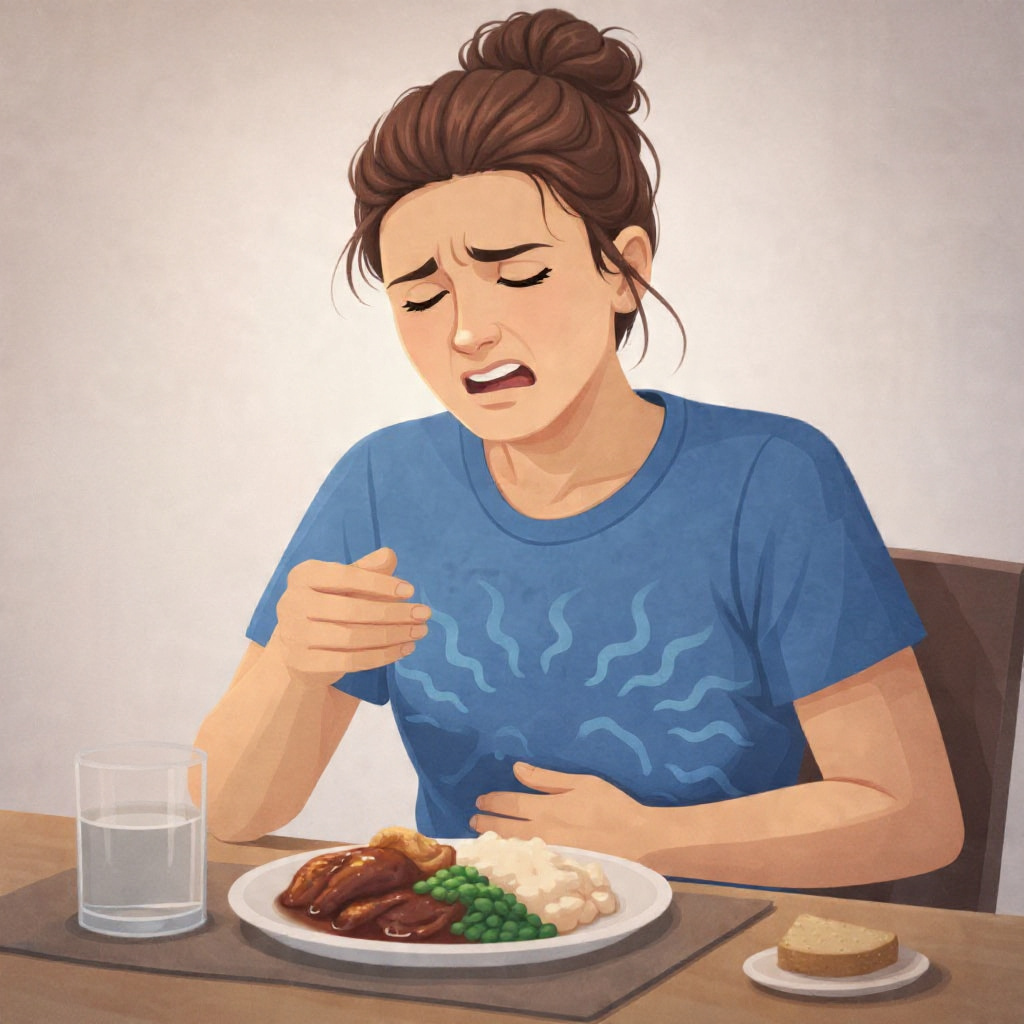
Stomach Pain

Burning or gnawing stomach pain

Pain with eating

Pain that improves or worsens with eating

Bloating

Bloating or fullness

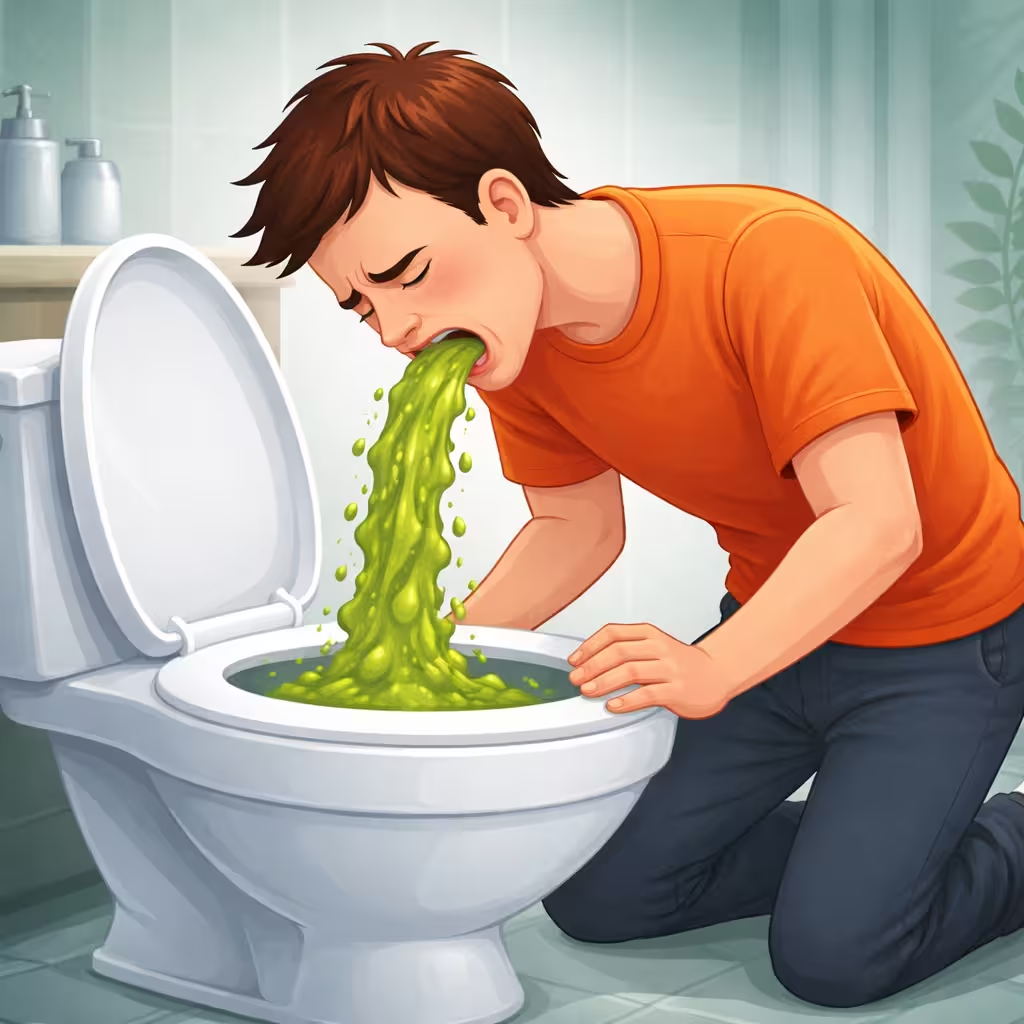
Nausea

Nausea or vomiting

Loss of appetite

Loss of appetite

Weight loss

Unexplained weight loss

Some ulcers may remain silent until complications develop.

What Is Gastrointestinal Bleeding?

Gastrointestinal bleeding occurs when an ulcer or other lesion erodes a blood vessel, leading to bleeding within the digestive tract. It can range from mild to life-threatening and requires urgent medical attention.

Warning Signs of GI Bleeding

  • Vomiting blood
  • Black or tarry stools
  • Blood in stools
  • Weakness or dizziness
  • Fatigue due to anemia
  • Sudden drop in blood pressure (severe cases)

Diagnosis

At VGM Hospital, accurate diagnosis is achieved through:

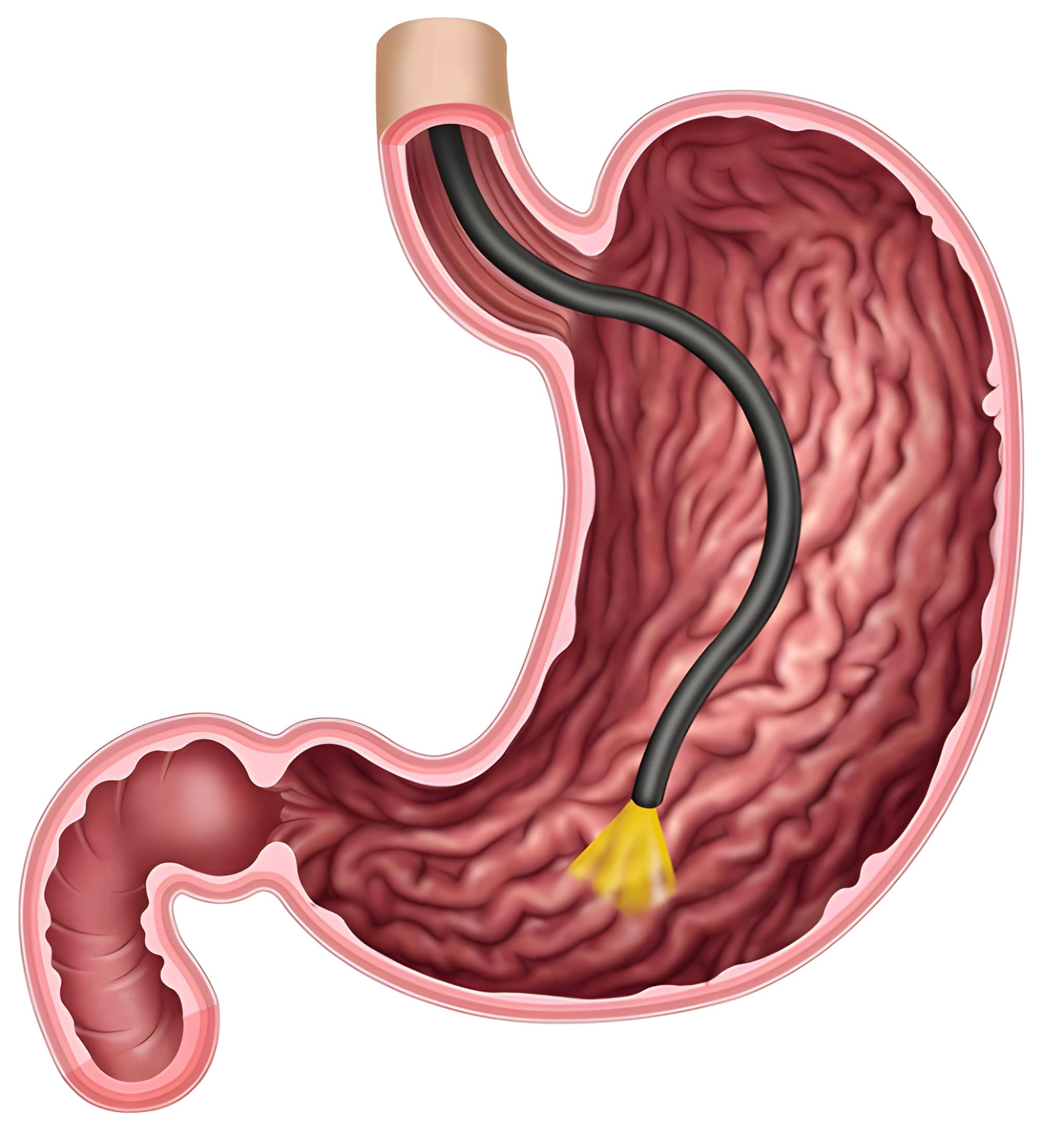
Endoscopy Diagnosis

Diagnostic methods include:

  • Clinical evaluation and blood tests
  • Upper GI Endoscopy (gold standard)
  • Identification of bleeding source
  • Biopsy for H. pylori detection
  • Imaging studies when required
Endoscopy allows doctors to diagnose and treat bleeding simultaneously.

Treatment Options

Treatment depends on the cause, severity, and presence of bleeding.

Medical Treatment

  • Acid-suppressing medications (PPIs)
  • Antibiotics for H. pylori eradication
  • Discontinuation of ulcer-causing medications

Endoscopic Treatment

  • Control of active bleeding
  • Injection therapy
  • Thermal coagulation
  • Endoscopic clipping

Advanced Care (If Needed)

  • Blood transfusion for severe anemia
  • Intensive care monitoring
  • Surgery in rare, uncontrolled bleeding cases

Prevention and Long-Term Care

Most ulcers heal completely with proper treatment. Preventive measures include:

Completing H. pylori treatment

Avoiding unnecessary painkiller use

Quitting smoking and limiting alcohol

Regular follow-up and repeat endoscopy if advised

Managing stress and maintaining a healthy diet

VGM Hospital

Why Choose VGM Hospital?

Expert gastroenterologists

Advanced emergency endoscopy services

Rapid diagnosis and intervention

Evidence-based treatment protocols

Comprehensive follow-up care

Book Appointment Call Now