24x7-logo
Help Line:
0422-257 2573
Address:

2100, VGM Hospital bus stop, Trichy Road,
Singanallur, Coimbatore, Tamil Nadu, India.
GERD (Gastroesophageal Reflux Disease)

Expert Diagnosis & Advanced Treatment at VGM Hospital

GERD is a common yet potentially serious digestive condition that requires timely diagnosis and proper management. At VGM Hospital, we offer comprehensive evaluation and advanced treatment for GERD using evidence-based gastroenterology care.

What Is GERD?

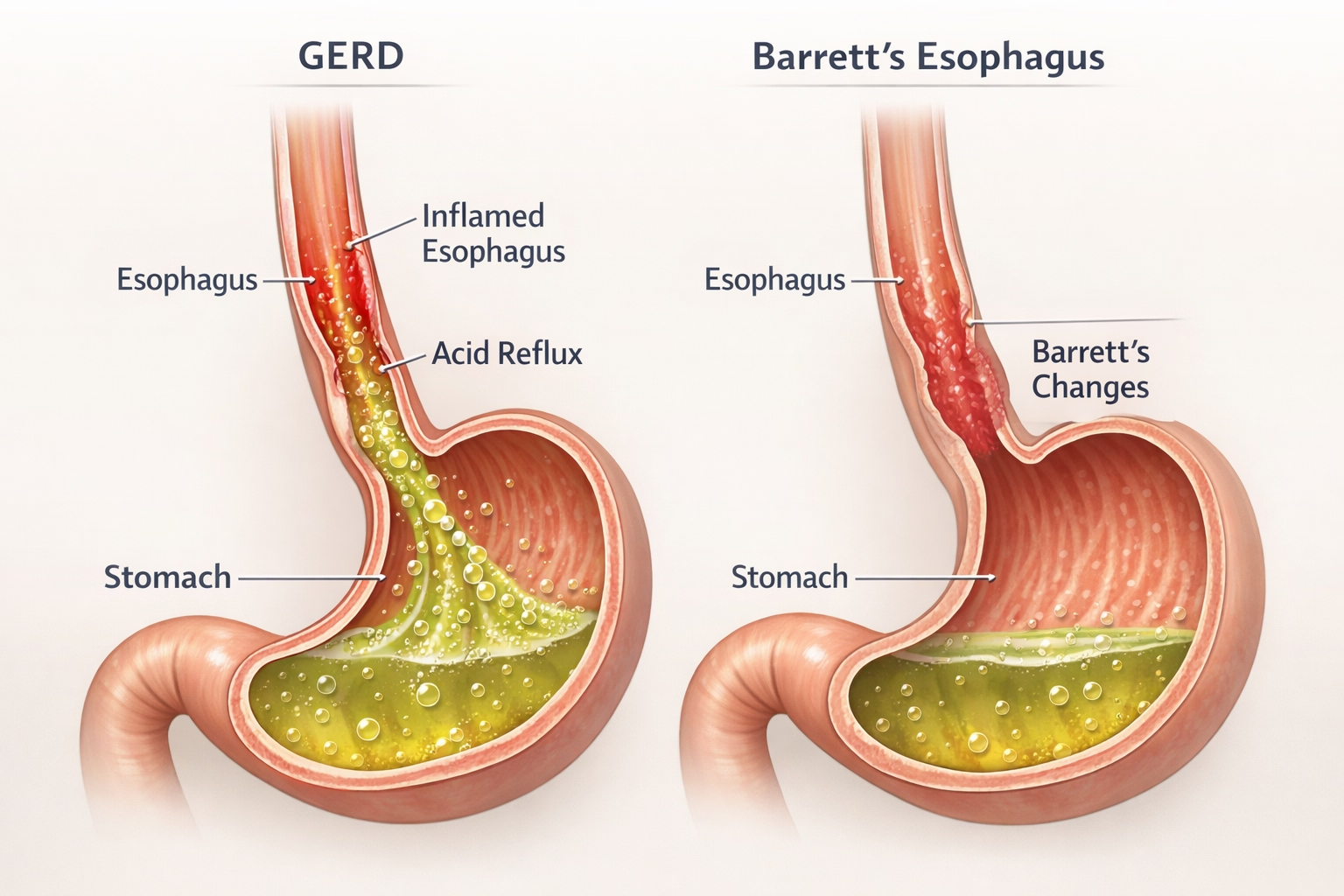
GERD (Gastroesophageal Reflux Disease) is a chronic digestive disorder in which stomach acid or bile flows back into the esophagus (food pipe). This repeated acid reflux irritates the esophageal lining and leads to symptoms such as heartburn and regurgitation.

Occasional acid reflux is common, but when symptoms occur frequently or persist for weeks, it is considered GERD and requires medical attention.

Symptoms of GERD

GERD symptoms may vary from mild to severe and often worsen after meals or while lying down.

Common symptoms include:

Heartburn

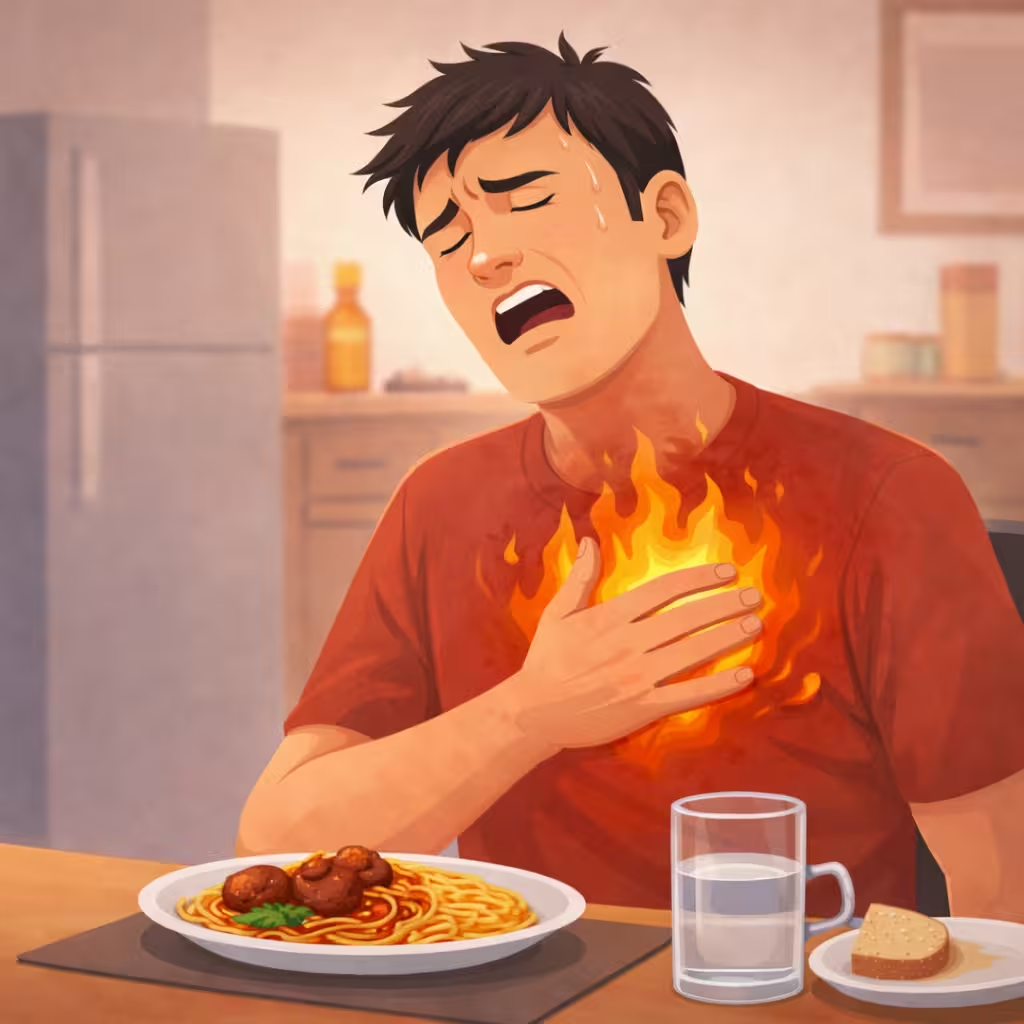
Burning sensation in the chest (heartburn)

Acid regurgitation

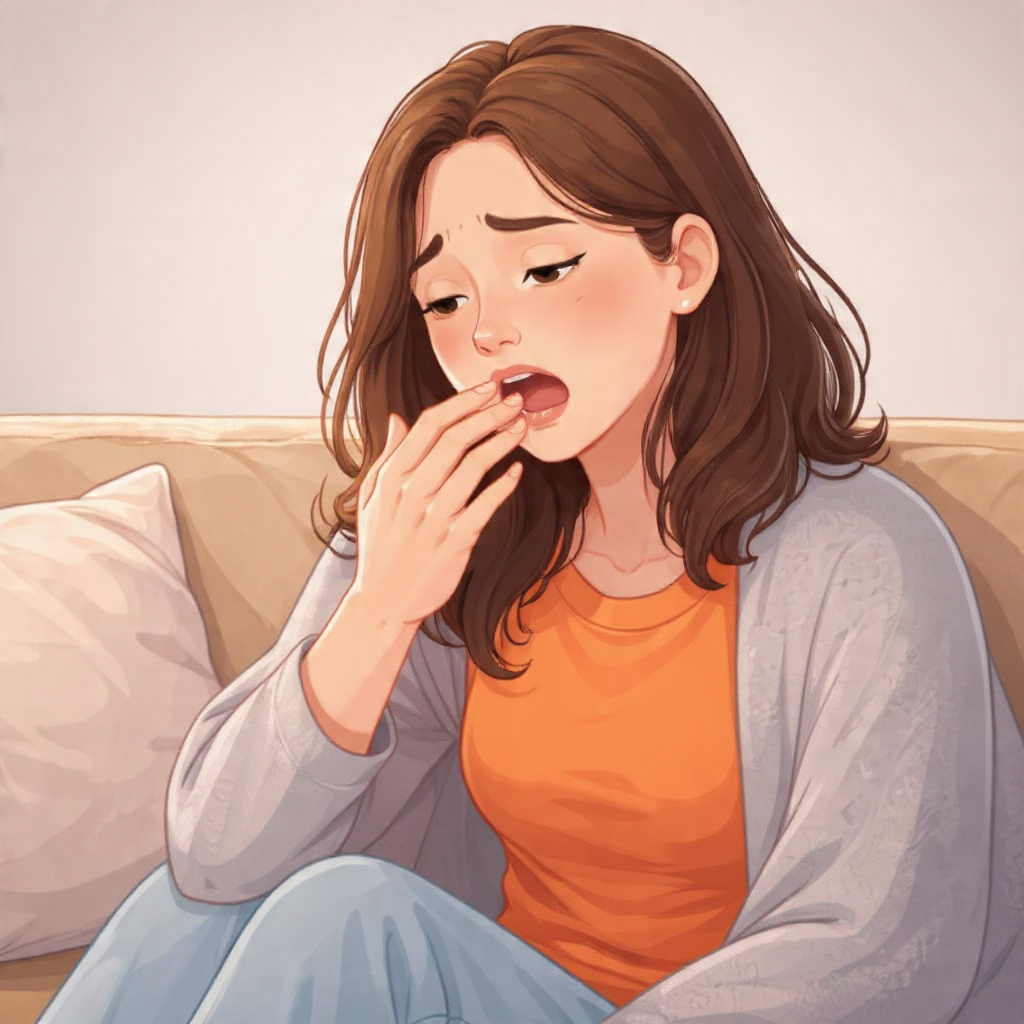
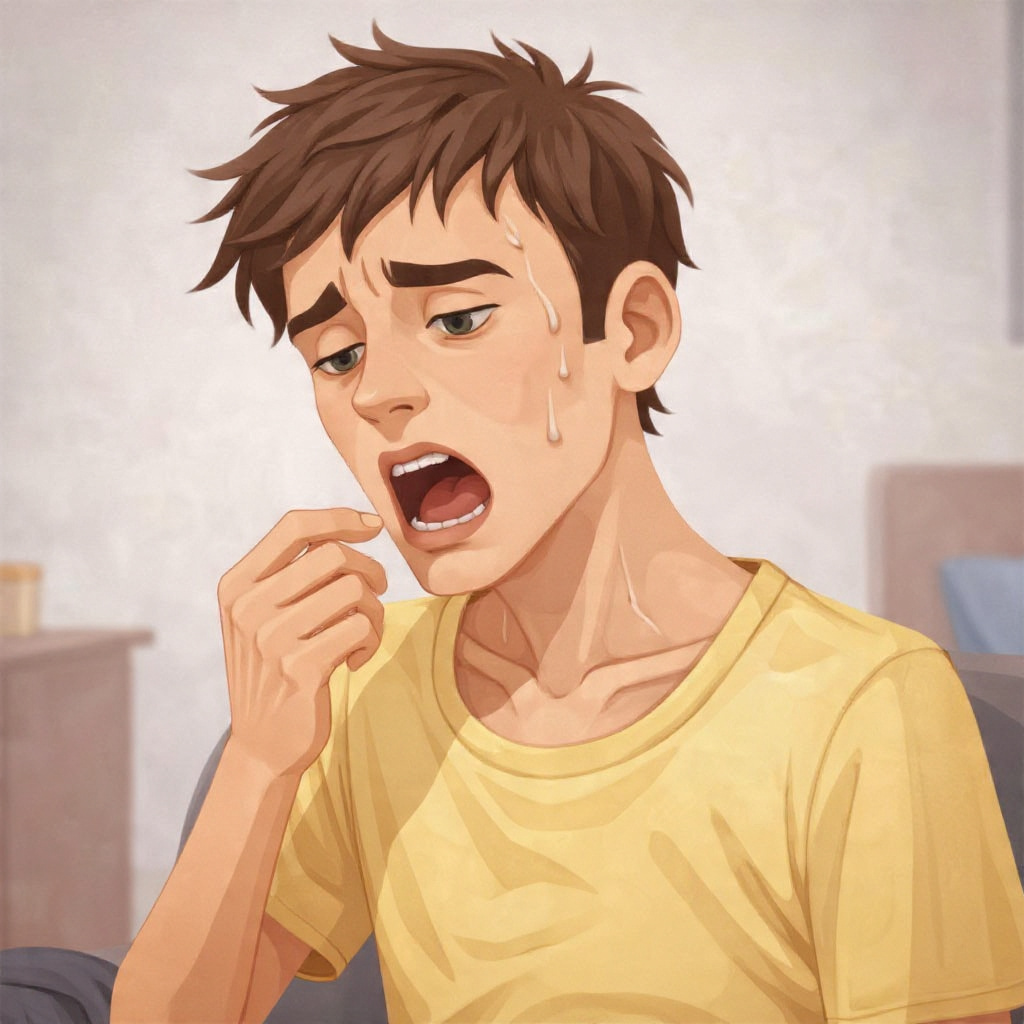
Acid regurgitation or sour taste in the mouth

Chest pain

Chest discomfort or pain

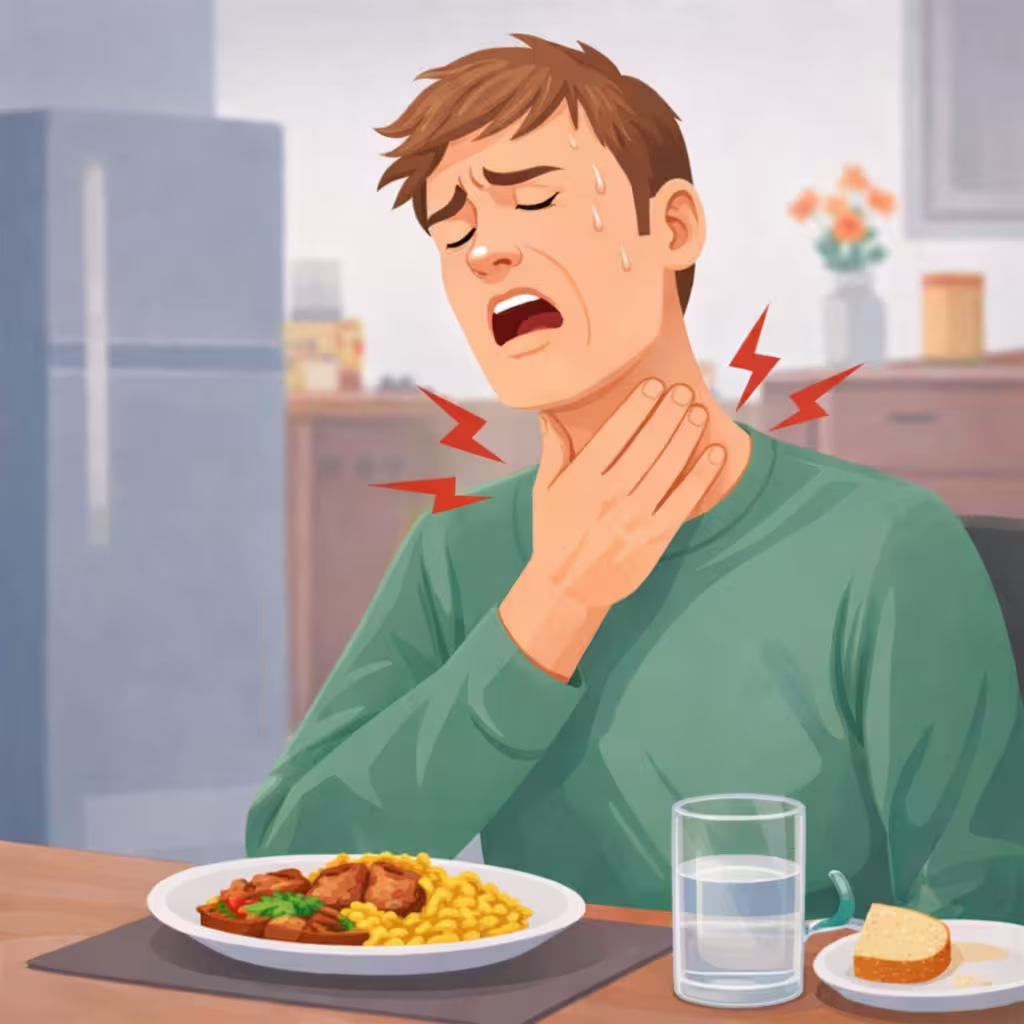
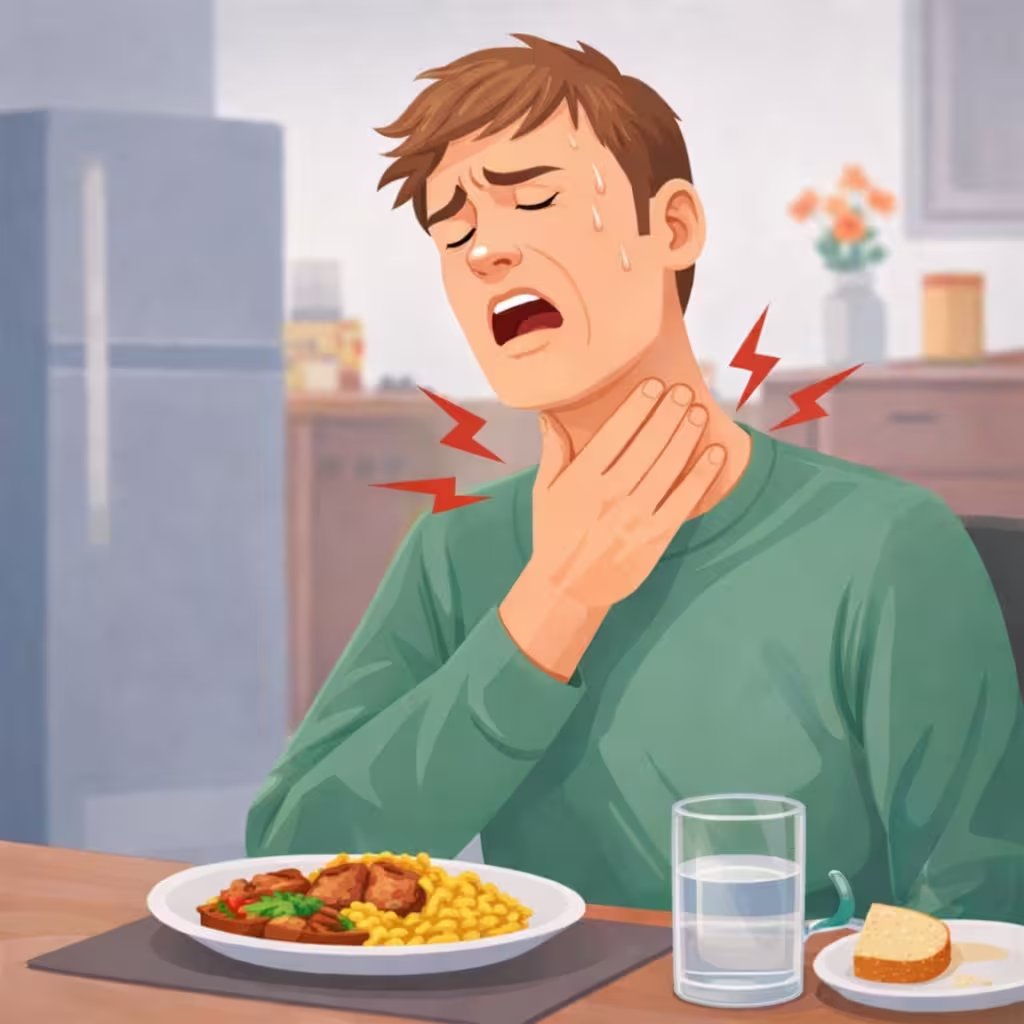
Difficulty swallowing

Difficulty or pain while swallowing

Chronic cough

Chronic cough or throat irritation

Hoarseness

Hoarseness of voice

Food stuck

Feeling of food stuck in the throat

Night symptoms

Night-time symptoms disturbing sleep

Diagnosis of GERD

At VGM Hospital, GERD is diagnosed through a combination of clinical evaluation and advanced diagnostic tests.

GERD Diagnosis

Diagnostic methods may include:

  • Detailed symptom assessment
  • Upper GI Endoscopy
  • Esophageal biopsy (if needed)
  • 24-hour pH monitoring
  • Esophageal manometry in selected cases
Early diagnosis helps prevent complications such as ulcers, strictures, and Barrett's esophagus.

Types of GERD

GERD can be classified based on endoscopic findings:

Non-Erosive Reflux Disease (NERD)

Symptoms present without visible damage to the esophagus

Erosive Esophagitis

Acid reflux causes inflammation, ulcers, or erosion of the esophageal lining

Barrett's Esophagus

  • Long-standing GERD leads to changes in the esophageal lining
  • Increases the risk of esophageal cancer
  • Requires regular surveillance

Causes of GERD

GERD occurs when the lower esophageal sphincter (LES) becomes weak or relaxes abnormally.

Weak LES muscle
Obesity
Overeating or late-night meals
Spicy, fatty, or acidic foods
Smoking and alcohol consumption
Pregnancy
Hiatal hernia
Certain medications

Treatments & Procedures

Treatment at VGM Hospital is personalized based on symptom severity and underlying cause.

Medical Management

  • Acid-reducing medications (PPIs, H2 blockers)
  • Prokinetic agents when required

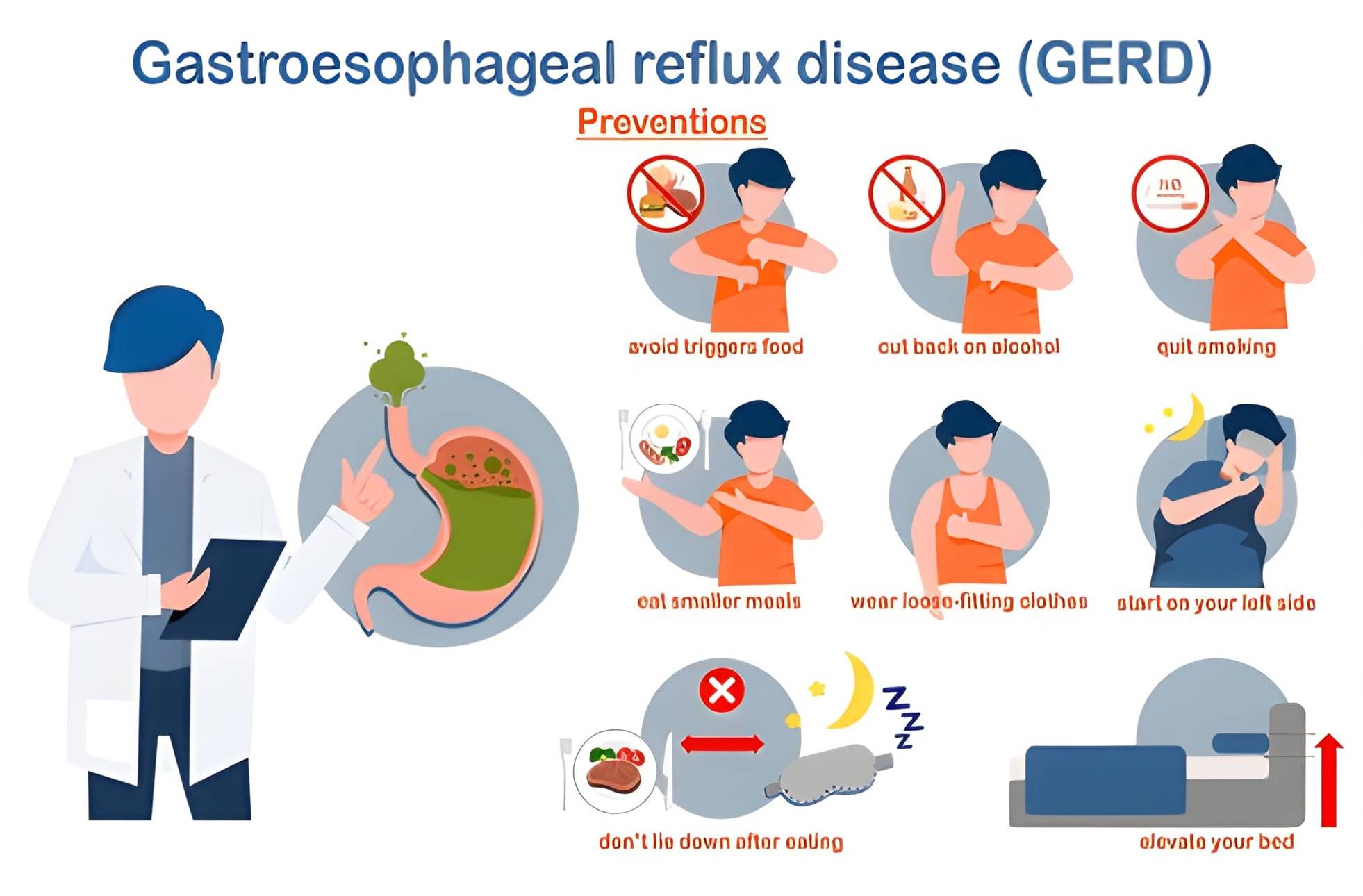
Lifestyle Modification

  • Dietary counseling
  • Weight management
  • Head-end elevation during sleep
  • Smoking and alcohol cessation

Advanced Endoscopic & Surgical Options

  • Endoscopic therapy for complications
  • Management of strictures or ulcers
  • Surveillance and treatment for Barrett's esophagus
  • Surgical intervention in refractory or severe cases

Prevention and Awareness

GERD can often be prevented or controlled with early lifestyle changes and awareness.

Preventive measures include:

  • Eating smaller, frequent meals
  • Avoiding trigger foods
  • Maintaining healthy body weight
  • Avoiding lying down immediately after meals
  • Managing stress
  • Seeking early medical evaluation for persistent symptoms
Regular follow-up is essential to prevent long-term complications.
Healthy Eating

Why Choose VGM Hospital for GERD Care?

VGM Hospital

Experienced gastroenterology specialists

Advanced diagnostic endoscopy facilities

Evidence-based treatment protocols

Comprehensive management from diagnosis to prevention

Patient-centered, long-term digestive care

Book Appointment Call Now