2100, VGM Hospital bus stop, Trichy Road,
Singanallur, Coimbatore, Tamil Nadu, India.
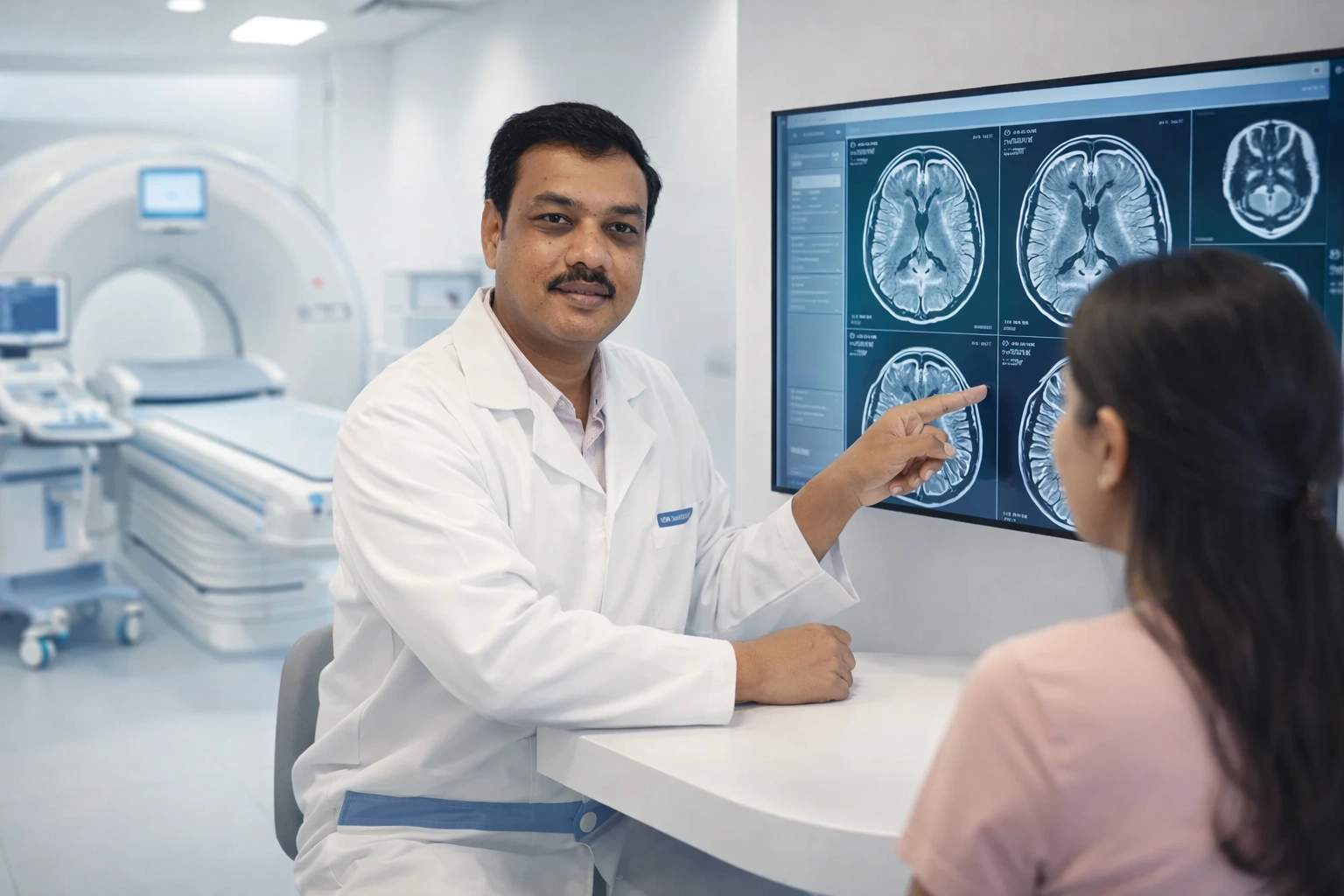
High-precision imaging services including X-ray, CT, MRI, and ultrasound for accurate diagnosis and treatment planning.
Book AppointmentAt VGM Multispecialty Hospital, we provide precise and comprehensive imaging services to support accurate diagnosis and effective treatment. From routine X-rays and ultrasounds to advanced CT, MRI, and interventional radiology procedures, our expert radiologists use state-of-the-art technology to deliver high-quality results. We focus on timely, safe, and detailed imaging to assist in early detection, treatment planning, and ongoing patient care.
Ensuring high-quality, accurate, and detailed diagnostic results with state-of-the-art equipment.
With advanced training for precise interpretation and image-guided procedures.
Supporting faster clinical decisions and treatment initiation with rapid results.
All imaging and interventional radiology services available under one roof.
Ensuring patient comfort and safety for all imaging procedures.
Comprehensive interventional procedures for both diagnostic and therapeutic needs.
MBBS, DMRD
Schedule an appointment with our specialist doctors and take the first step toward better health today.
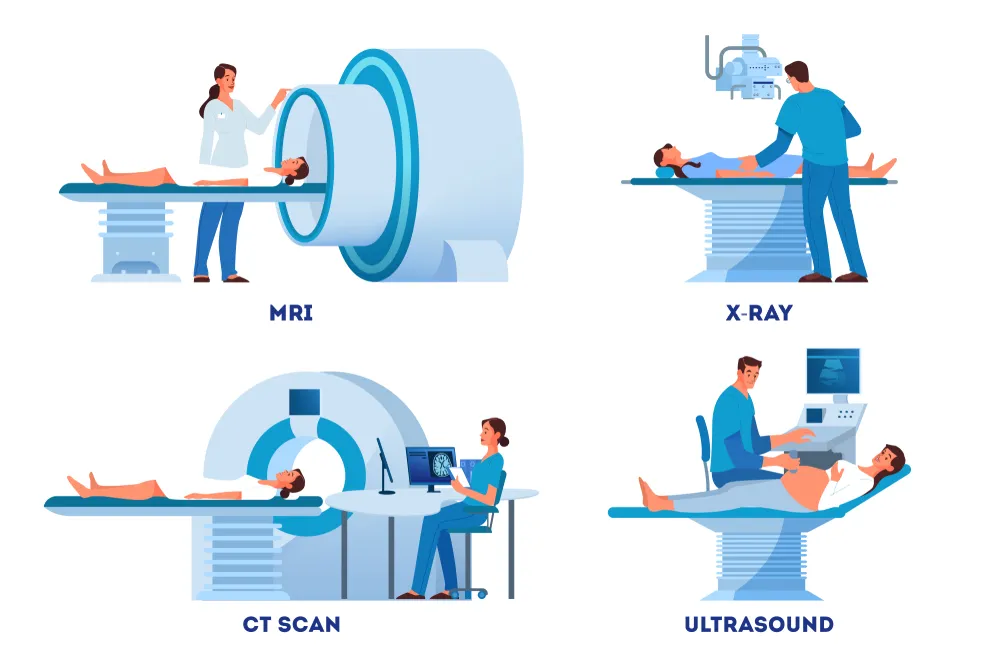
Radiology is the branch of medicine that uses imaging techniques like X-rays, CT scans, MRIs, and ultrasounds to diagnose and sometimes treat medical conditions.
A radiologist is a medical doctor who interprets medical images to help diagnose diseases and guide treatments. They also perform image-guided procedures.
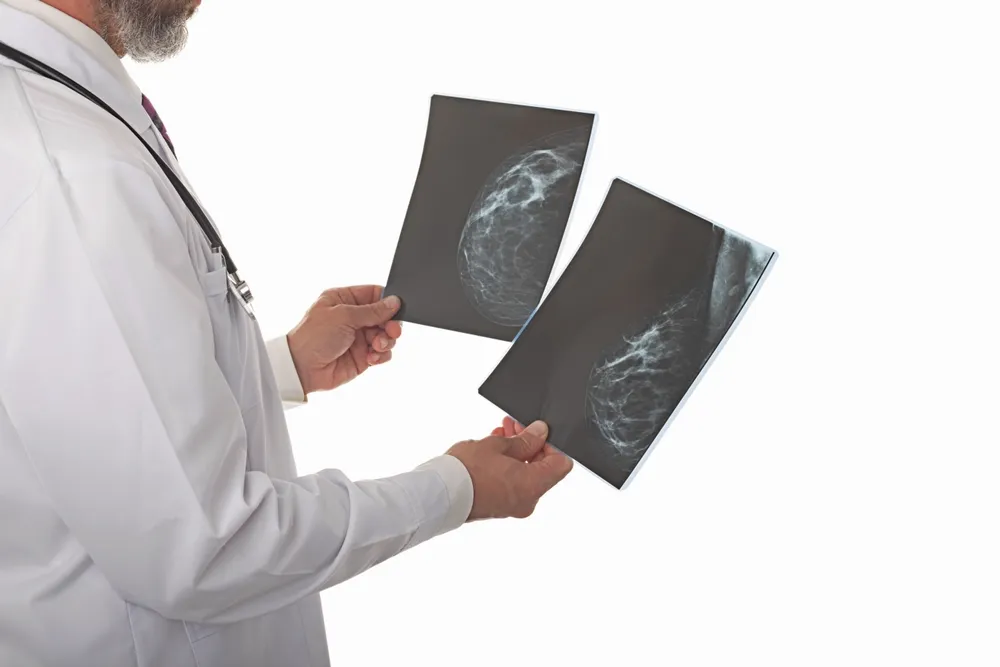
Common imaging tests include X-ray, Ultrasound, CT Scan, MRI Scan, Mammography, and Doppler studies.
An X-ray is used to examine bones, lungs, and certain internal organs. It helps detect fractures, infections, and abnormalities in the chest or abdomen.
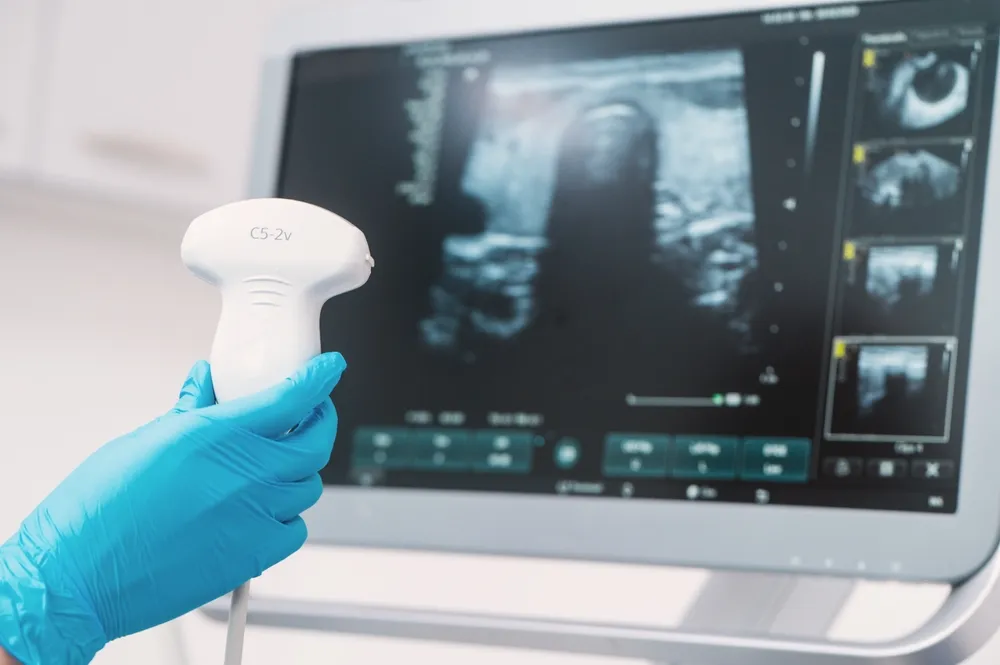
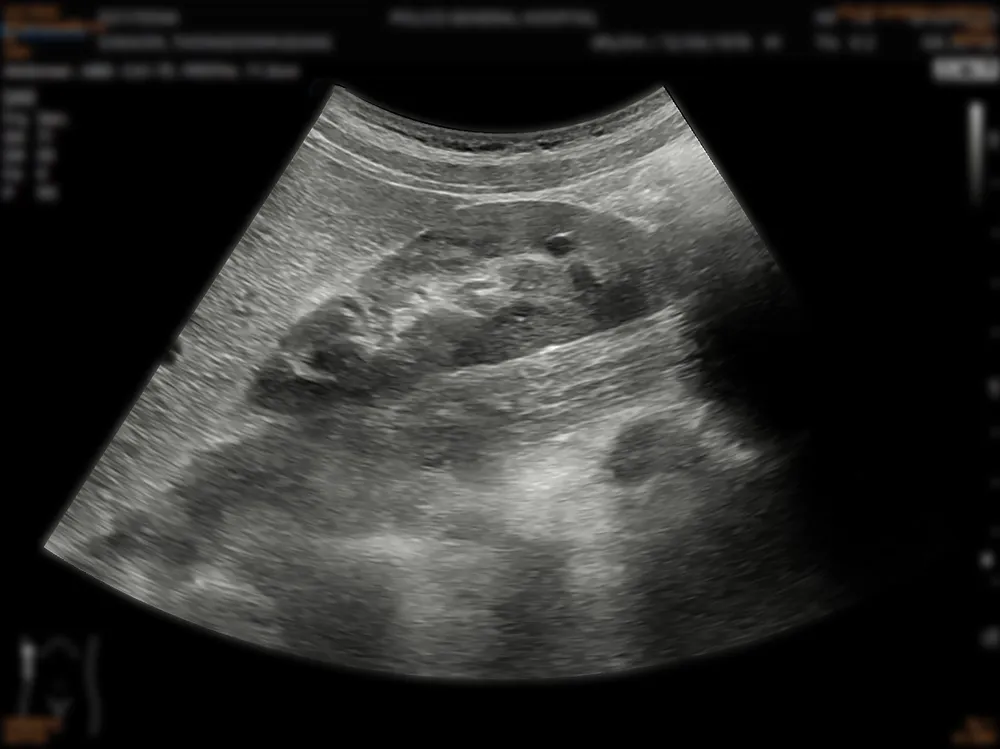
Ultrasound uses sound waves to create images of internal organs. It’s commonly used for pregnancy scans, abdominal exams, and to assess blood flow.
A CT scan combines multiple X-rays to produce detailed 3D images of internal organs, bones, and tissues for accurate diagnosis.
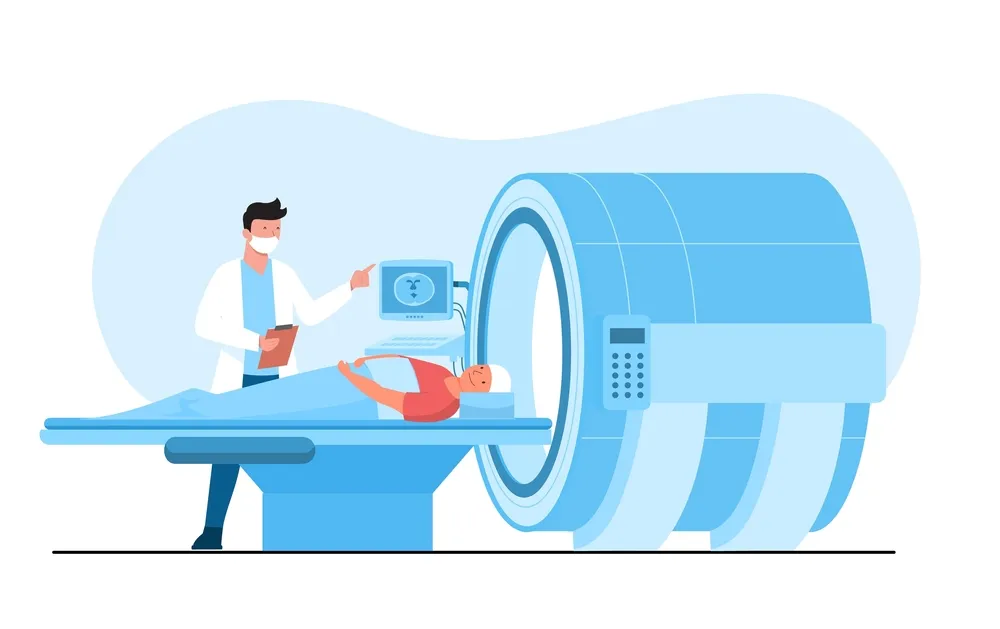
MRI uses magnetic fields and radio waves to produce detailed images of soft tissues, the brain, spine, and joints.
The radiation used in diagnostic imaging is minimal and safe when performed under medical supervision. MRI and ultrasound do not use radiation.
Preparation depends on the test. Some scans may require fasting, avoiding metal objects, or following specific instructions provided by your doctor or technician.
Most imaging tests are painless and non-invasive. Some procedures may require injections or contrast dye, which may cause mild temporary discomfort.
A contrast dye helps highlight specific organs or tissues during imaging. It is generally safe, though rare allergic reactions can occur. Inform your doctor of any allergies.
Most scan reports are available within a few hours to a day, depending on the type of test and urgency.
Certain scans like X-rays and CTs are avoided during pregnancy unless absolutely necessary. Ultrasound and MRI are safe during pregnancy.
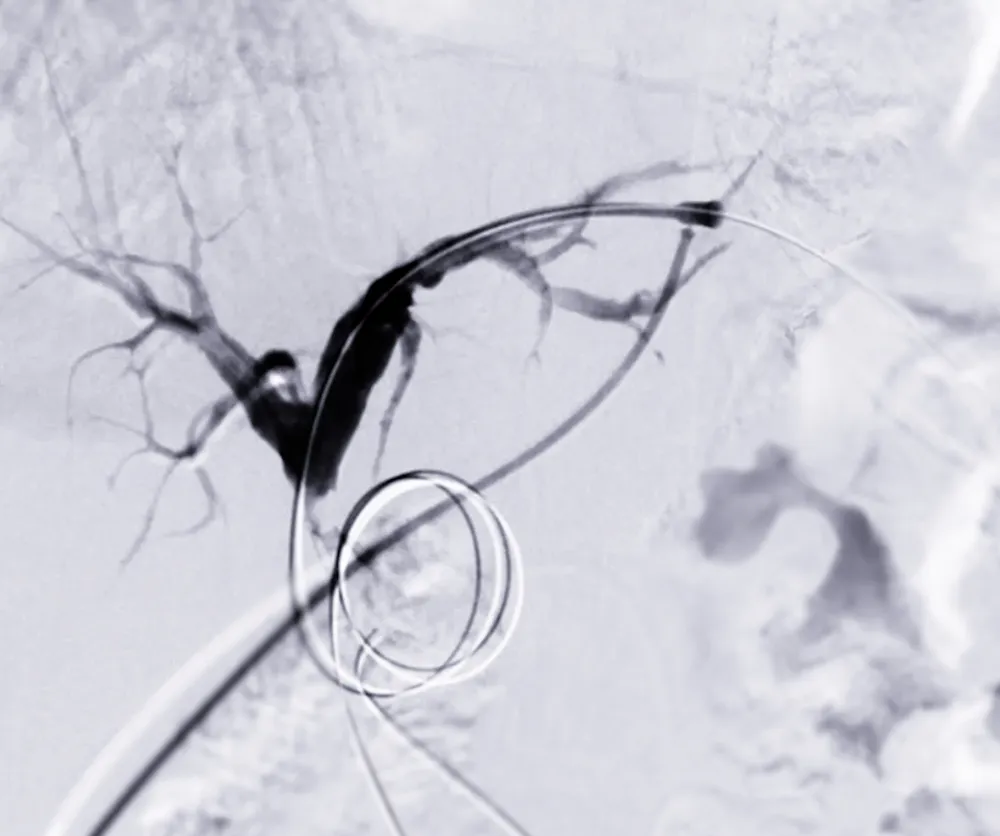
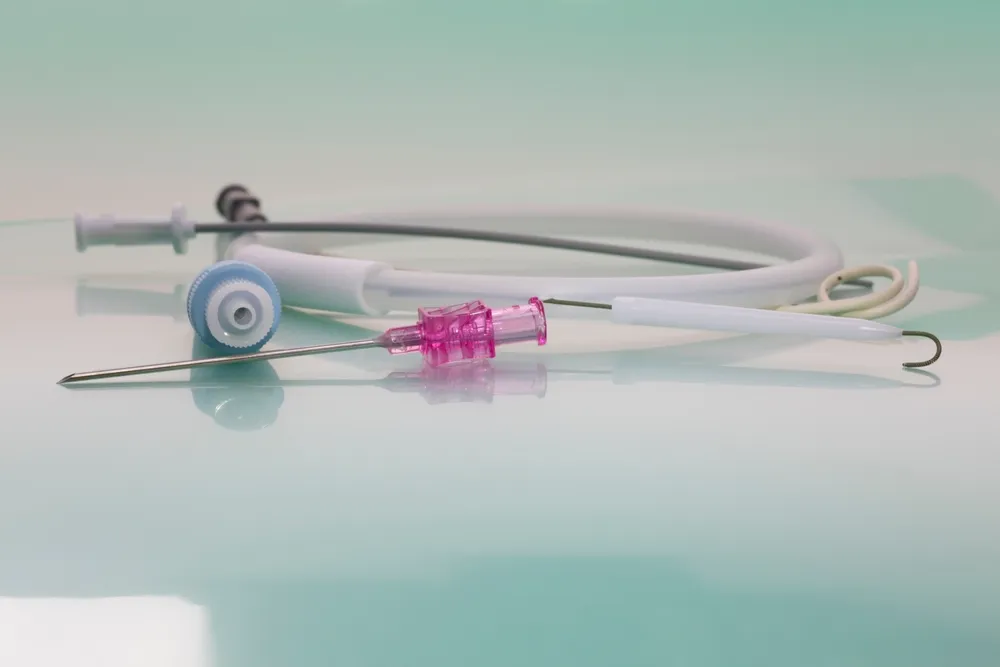
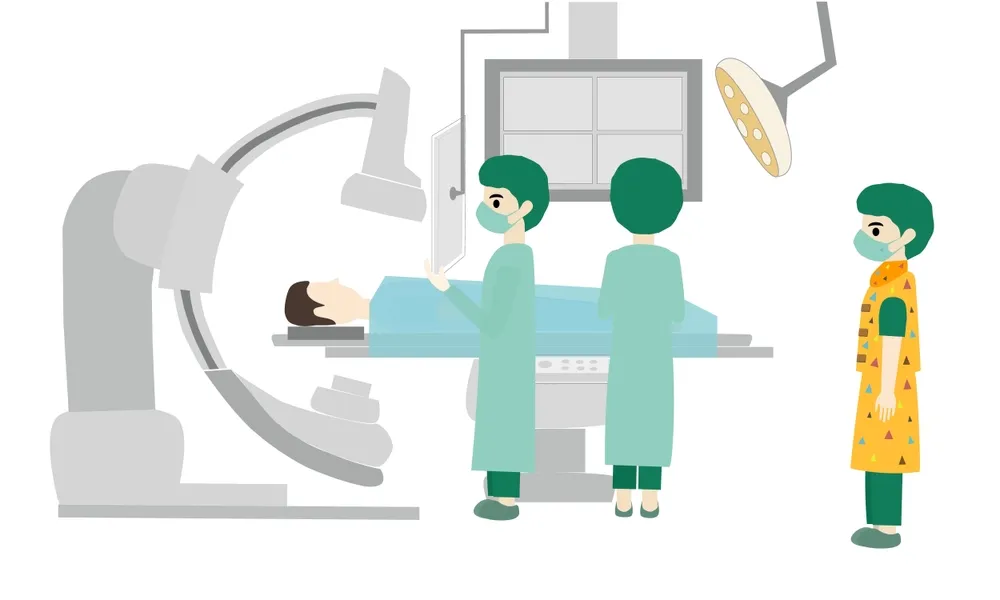
Interventional Radiology uses imaging guidance to perform minimally invasive procedures such as biopsies, angioplasty, or draining fluid collections.
Yes. The Radiology Department offers 24/7 imaging and emergency radiology services with advanced equipment and experienced radiologists.