2100, VGM Hospital bus stop, Trichy Road,
Singanallur, Coimbatore, Tamil Nadu, India.

Comprehensive kidney care including early diagnosis, dialysis, and personalized treatment for chronic and acute kidney conditions.
Book AppointmentAt VGM Multispecialty Hospital’s Department of Nephrology, we offer comprehensive care for individuals with kidney diseases. Our expert nephrologists provide advanced diagnosis, treatment, and management for all types of kidney conditions, ensuring the best possible outcomes for our patients.
You should consult a nephrologist if kidney-related symptoms persist, recur frequently, or begin to affect your daily life.
Blood in urine
High blood pressure
Frequent urination
Difficulty in urination
Persistent fatigue
Swelling in the Legs and Ankles
Loss of Appetite
Foamy Urine
Itching and dry skin
persistent tiredness
Muscle cramps
Metallic taste
Early diagnosis and timely treatment can prevent complications.
Comprehensive evaluation, diagnosis, and management plans for:
State-of-the-art hemodialysis and peritoneal dialysis facilities with:
End-to-end transplant services including:
Holistic support for patients with advanced kidney disease through:
DP MD, DM Nephro, DrNB, ESE Consultant Nephrologist
MRCP (UK), MRCP (Nephrology) (UK) Consultant Nephrologist
Schedule an appointment with our specialist doctors and take the first step toward better health today.
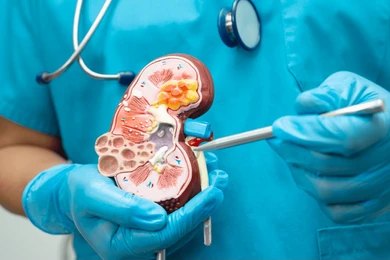
Nephrology is the branch of medicine that deals with the diagnosis and treatment of diseases related to the kidneys.
A nephrologist specializes in managing kidney-related disorders such as chronic kidney disease, kidney stones, high blood pressure, electrolyte imbalances, and dialysis care.
You should consult a nephrologist if you experience swelling in the legs or face, changes in urine output, blood in urine, high blood pressure, or abnormal kidney function test results.
Symptoms include fatigue, loss of appetite, swelling, nausea, foamy urine, changes in urination frequency, and high blood pressure.
The most common causes are diabetes, high blood pressure, chronic infections, kidney stones, autoimmune diseases, and certain medications that damage the kidneys.
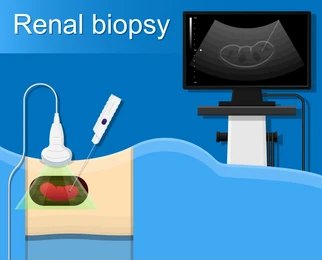
Diagnosis includes blood tests (creatinine, urea), urine tests, ultrasound or CT scan of kidneys, and sometimes kidney biopsy to determine the exact cause.
CKD is a gradual loss of kidney function over time. It can progress to kidney failure if not treated early and properly managed.
Some kidney problems are reversible with treatment, but chronic kidney disease can only be controlled, not completely cured. Early diagnosis can slow its progression.
Maintain healthy blood pressure and blood sugar, drink enough water, limit salt intake, avoid painkillers and smoking, and eat a balanced diet.
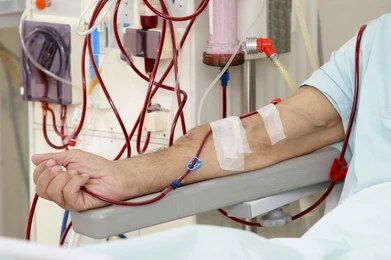
Dialysis is a treatment that removes waste products and excess fluids from the blood when the kidneys are unable to perform these functions naturally.
There are two main types — Hemodialysis, which uses a machine to clean the blood, and Peritoneal Dialysis, which uses the lining of the abdomen to filter waste.
A kidney transplant is recommended for patients with end-stage kidney failure when both kidneys can no longer function effectively, and dialysis is not a long-term solution.
Control blood sugar and blood pressure, drink adequate water, eat a kidney-friendly diet, maintain healthy weight, and go for regular health checkups.
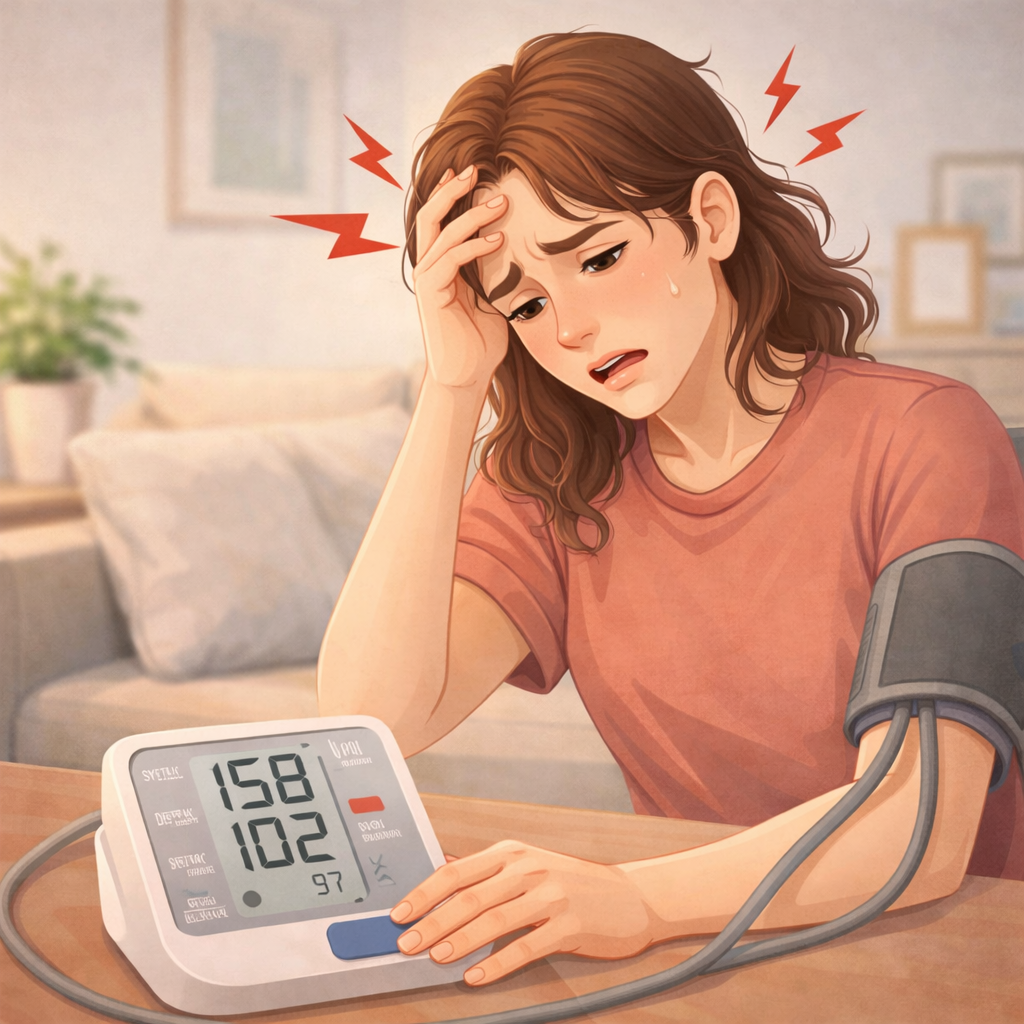
Yes. High blood pressure can damage the kidneys, and kidney disease can also cause high blood pressure — both are closely linked.
Yes. The Nephrology Department offers advanced dialysis services, pre- and post-transplant care, and comprehensive management for all kidney-related conditions.