24x7-logo
Help Line:
0422-257 2573
Address:

2100, VGM Hospital bus stop, Trichy Road,
Singanallur, Coimbatore, Tamil Nadu, India.
Plastic Surgery

Advanced reconstructive and aesthetic procedures for enhanced appearance and improved function with precision care.

Book Appointment

Department of Plastic Surgery

at VGM Multispecialty Hospital is dedicated to delivering advanced reconstructive and cosmetic surgical care with precision and compassion. Our highly skilled plastic surgeons specialize in restoring form and function following injuries, burns, congenital deformities, and medical conditions, while also offering a wide range of aesthetic procedures to enhance appearance and confidence. With state-of-the-art surgical facilities and a patient-centered approach, we ensure safe, effective, and personalized treatment for every individual.

Surgical Gastroenterology Department

Our Plastic Surgery Services Include

General Plastic Surgery

General Plastic & Reconstructive Surgery

Procedures to restore function and appearance after trauma, disease, or congenital issues.

Hand Surgery

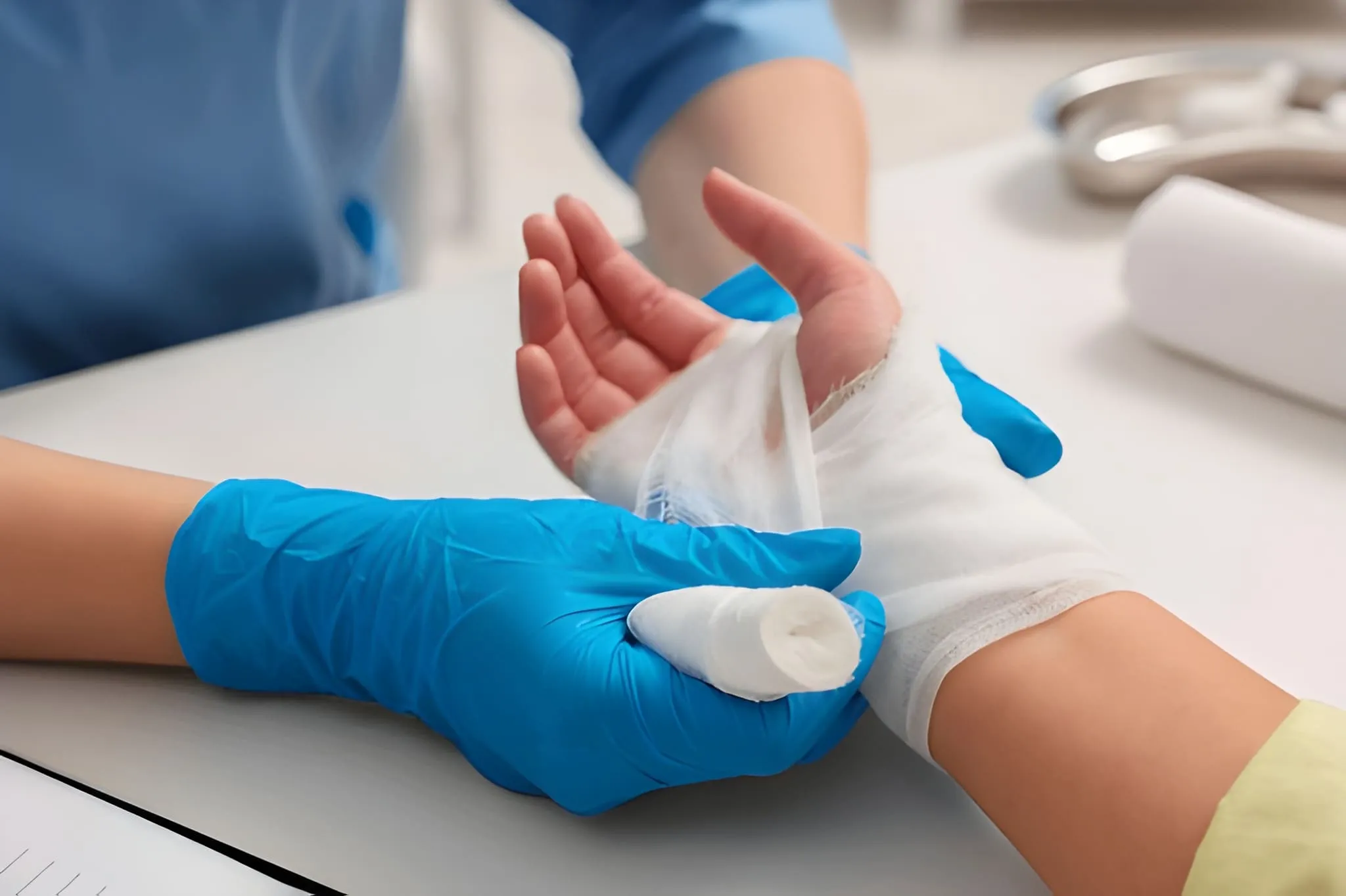
Hand Injuries & Hand Reconstruction

Precision treatment for fractures, tendon injuries, nerve damage, and crush injuries.

Cosmetic Surgery

Cosmetic Surgery

Offering a wide range of aesthetic procedures for face, body, and skin enhancement.

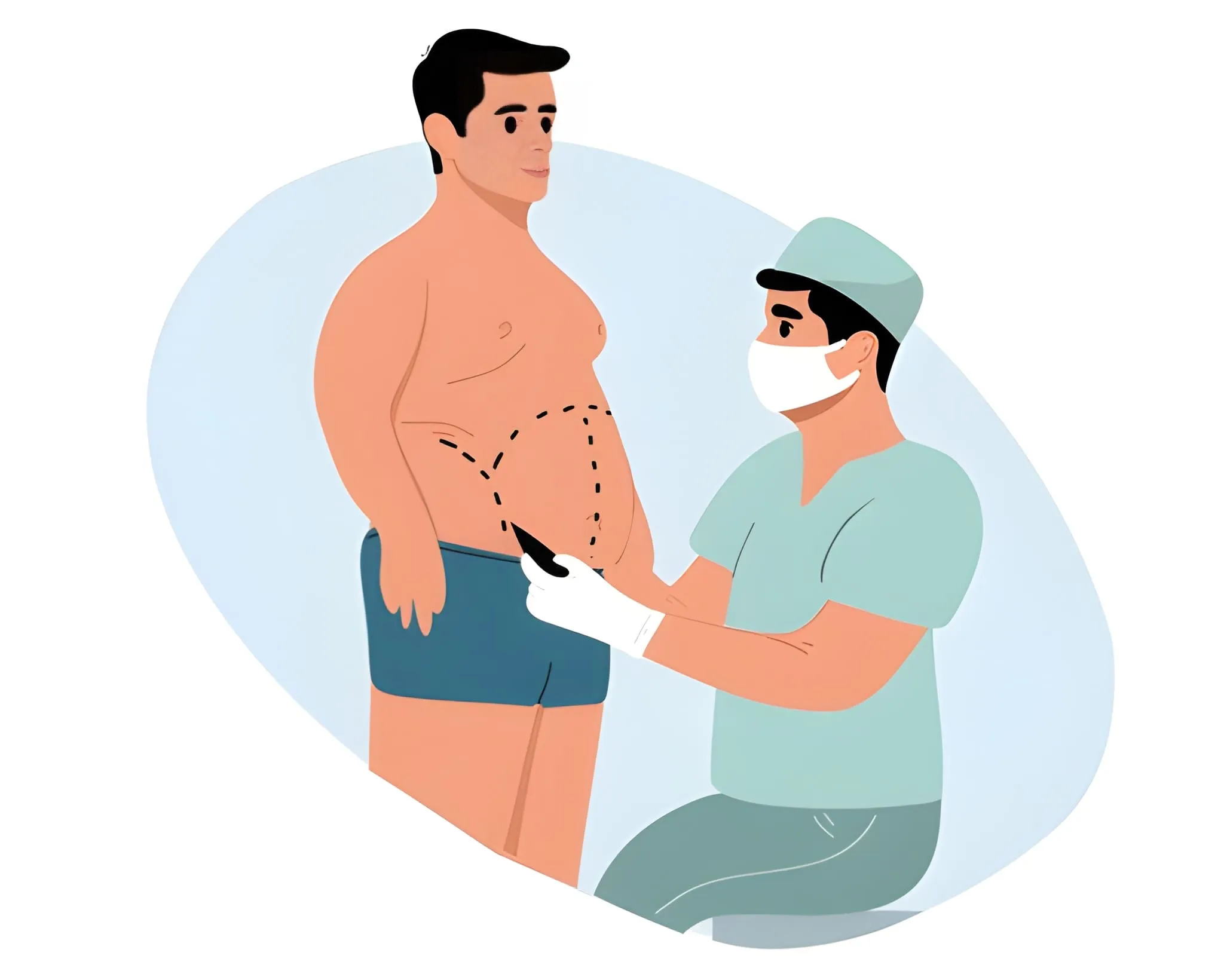
Abdominoplasty

Abdominoplasty (Tummy Tuck)

Removal of excess fat and skin to contour and tighten the abdominal area.

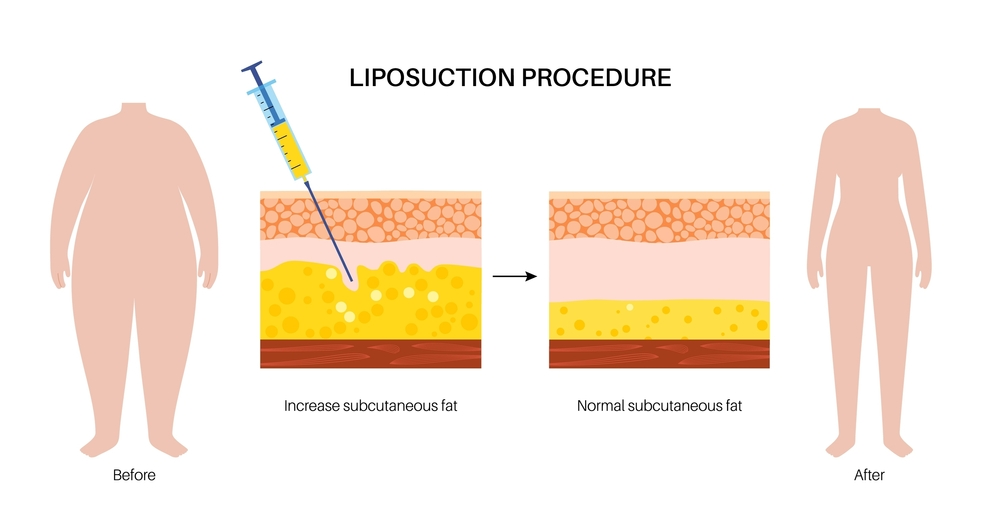
Liposuction

Liposuction

Targeted fat removal to shape and sculpt various areas of the body.

Wound Management

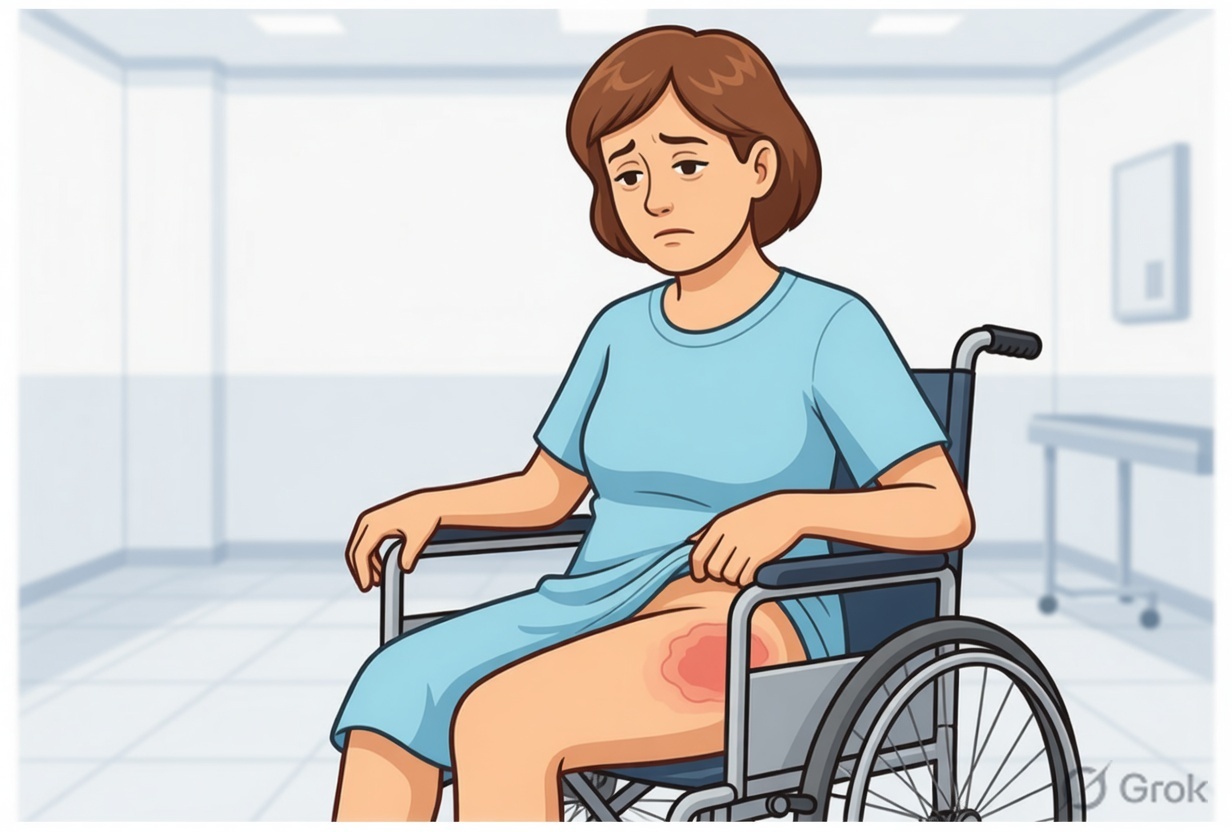
Management of Non-Healing Ulcers & Wounds

Advanced care for diabetic ulcers, pressure sores, traumatic wounds, and chronic ulcers.

Maxillofacial Surgery

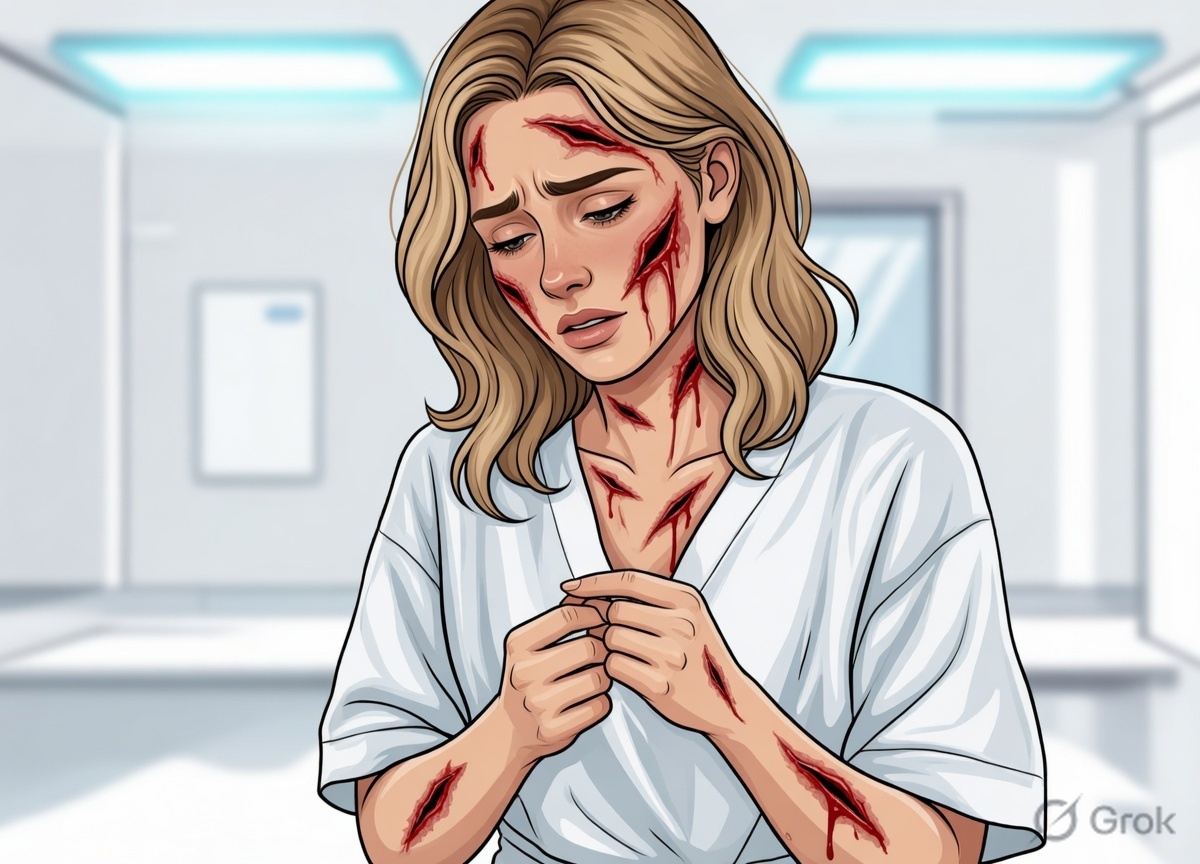
Maxillofacial Injury Management

Reconstruction for facial fractures, soft tissue injuries, and deformities.

Burn Management

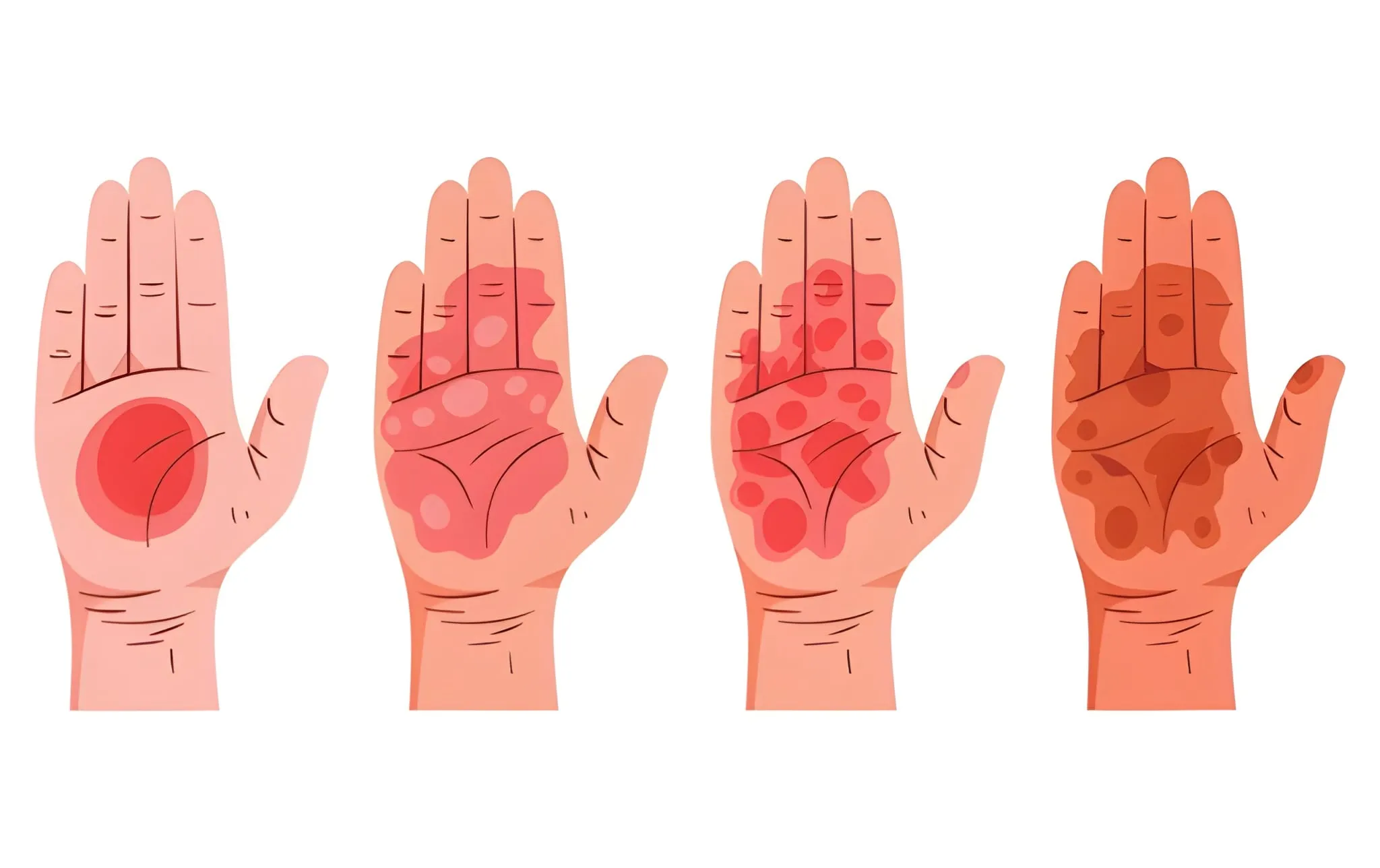
Burn Management

Comprehensive care for acute burns and post-burn reconstructive procedures.

Fallopian Tube Recanalization

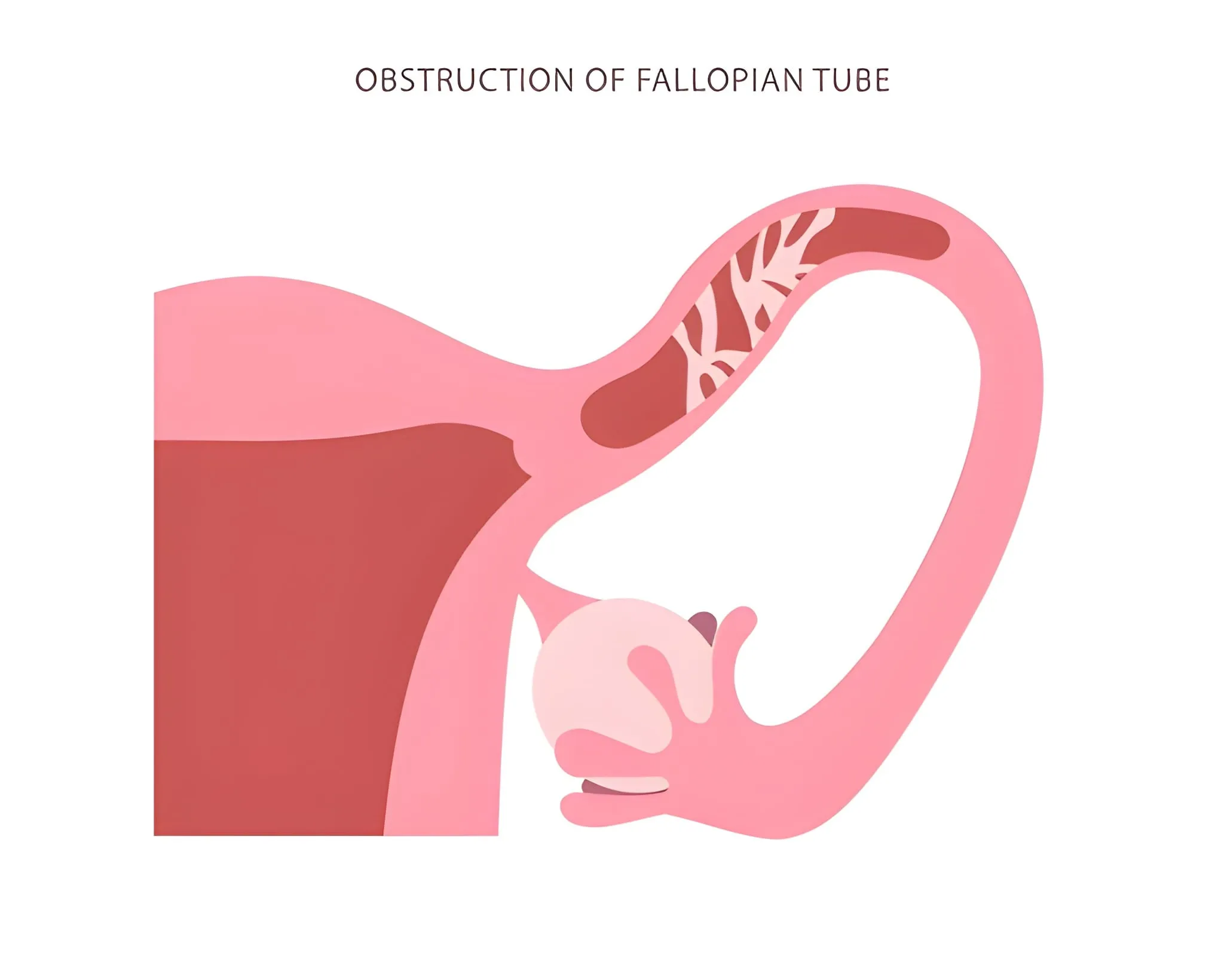
Fallopian Tube Recanalization

A minimally invasive procedure to restore fertility by opening blocked fallopian tubes.

When to See a Plastic Surgeon

You should consult a plastic surgeon if you have injuries, deformities, or aesthetic concerns that require specialized surgical care.

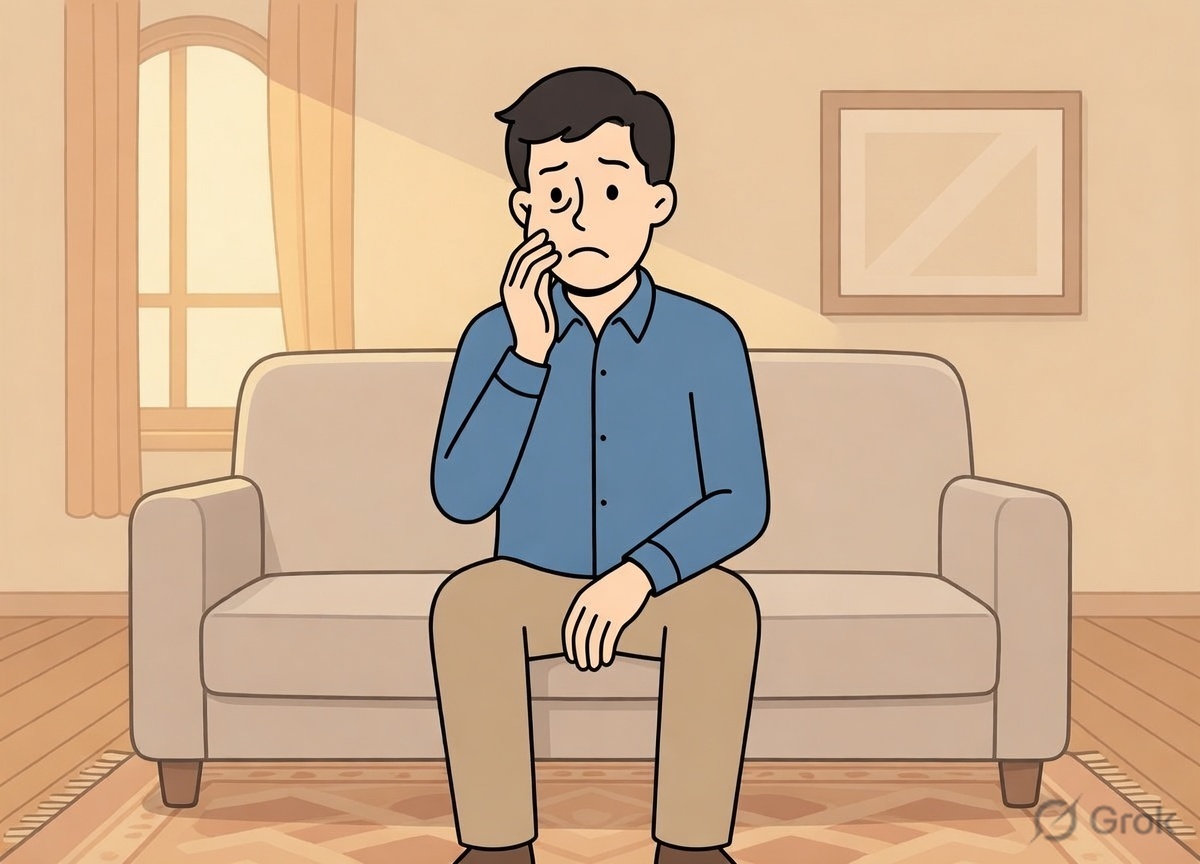
Facial injuries

Facial injuries (cuts, wounds, accidents)

Burns and scars

Burns scars

Non-healing wounds

Non-healing wounds

Facial injuries

Skin graft or flap needs

Birth defects

Birth defects (cleft lip/palate, ear deformities)

Hand injuries

Hand injuries

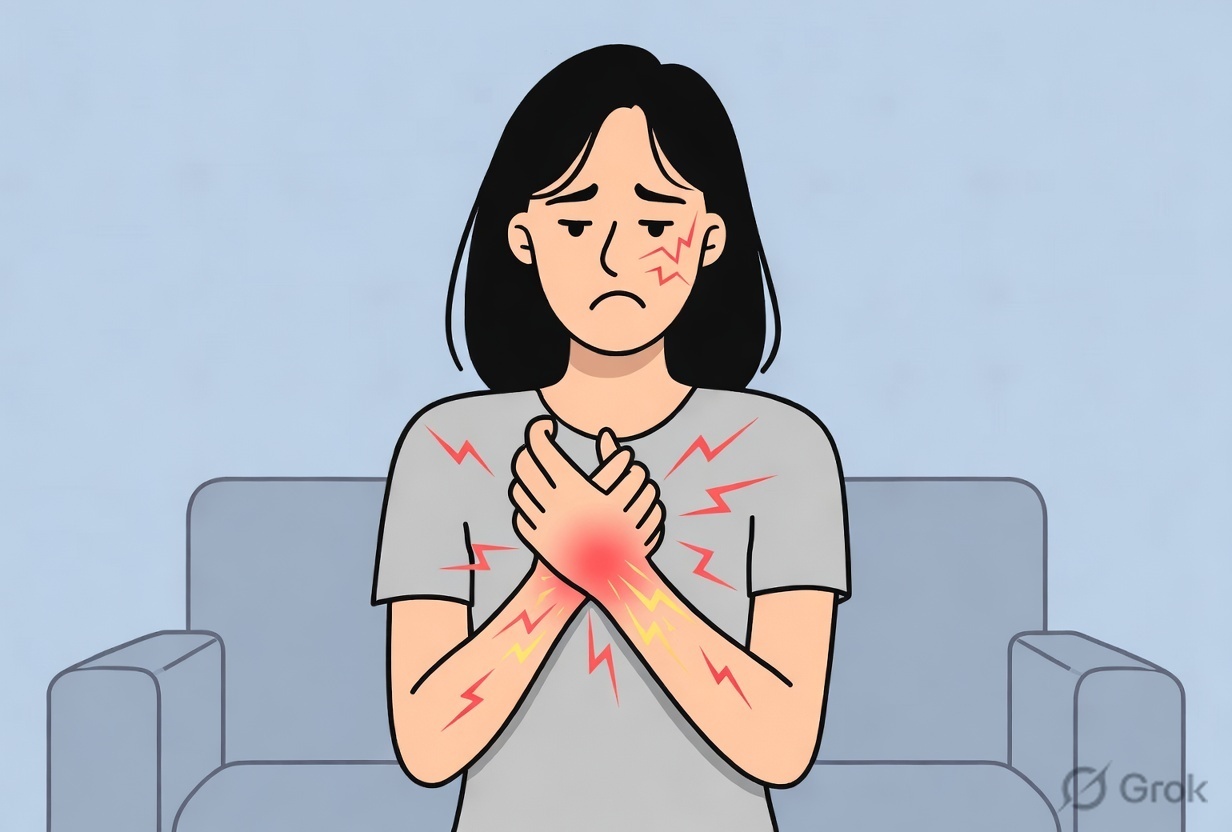
Nerve problems in hand or face

Nerve problems in hand/face

Chronic ulcers

Chronic ulcers

Facial asymmetry or deformities

Facial asymmetry or deformities

Cosmetic concerns

Cosmetic concerns

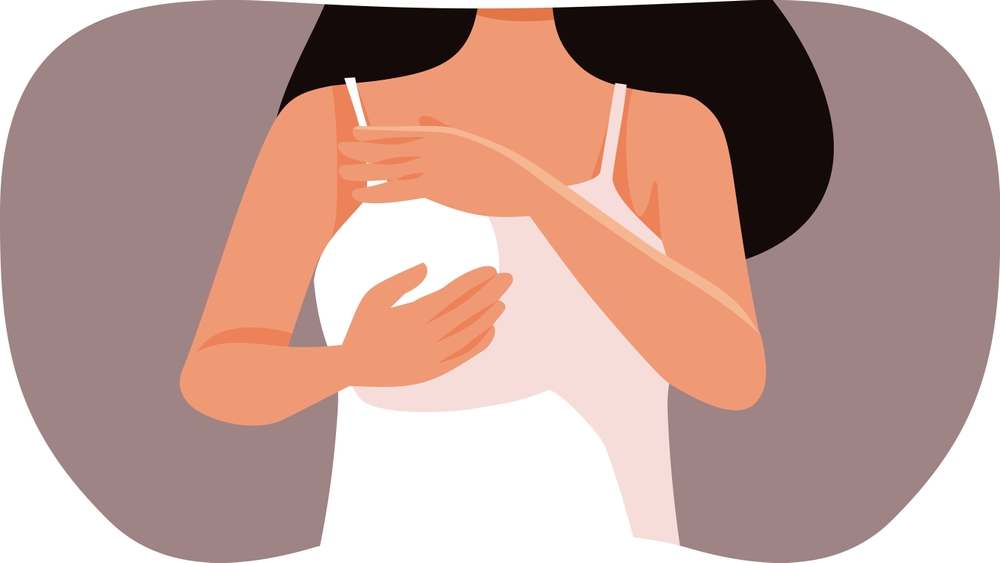
Breast reconstruction

Breast reconstruction or reduction

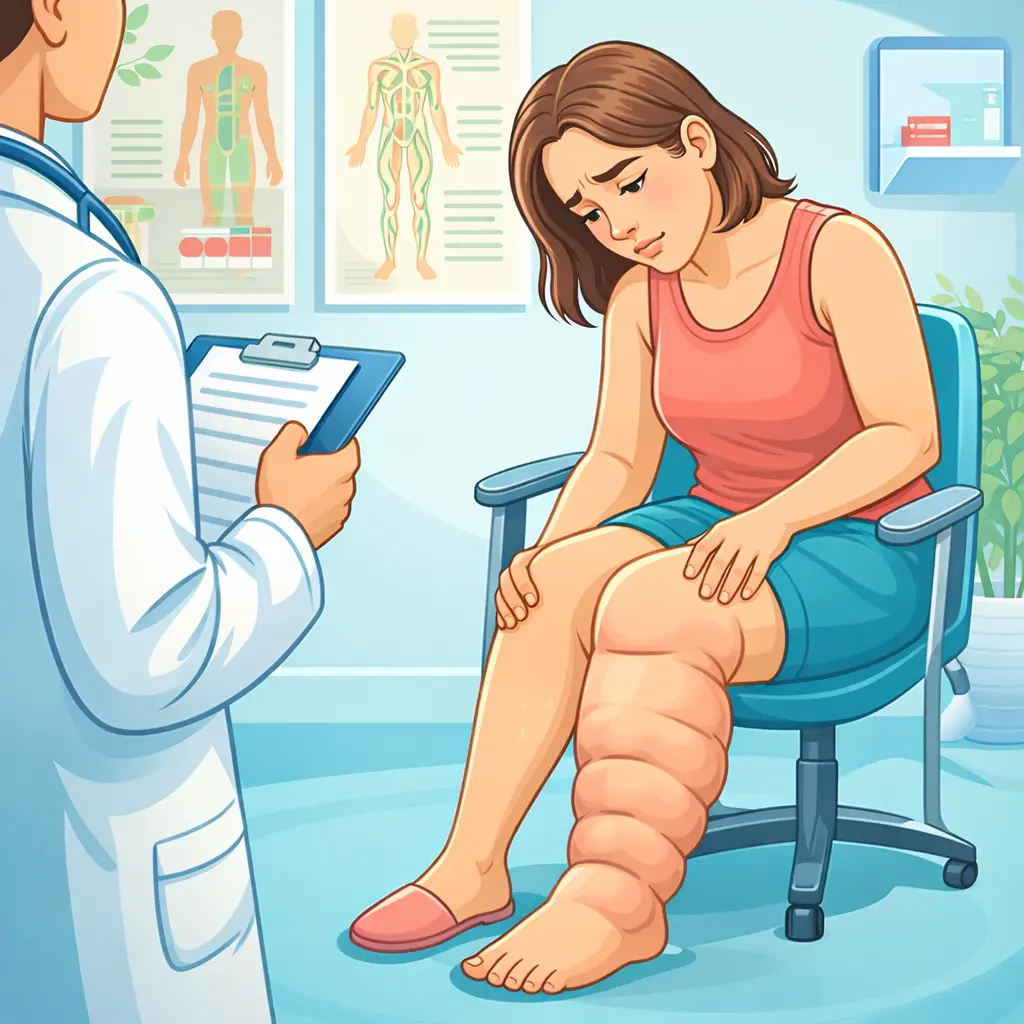
Lymphedema

Lymphedema

Pressure sores

Pressure sores

Post-surgery deformity or injury

Any deformity after surgery/injury

Why Choose VGM Multispecialty Hospital for Plastic Surgery?

VGM Hospital is recognized as a regional leader in advanced plastic and reconstructive surgery.

Our strengths include:

Expert Plastic Surgeons

Skilled in reconstructive, cosmetic, and trauma-related procedures.

Comprehensive Plastic & Reconstructive Care

For injuries, deformities, burns, and congenital conditions.

Advanced Cosmetic Surgery Services

To enhance appearance with safe, effective techniques.

Specialized Management of Non-Healing Ulcers

Using modern wound-care protocols.

Expertise in Hand Surgery & Maxillofacial Injuries

Ensuring functional and aesthetic recovery.

State-of-the-Art Surgical Facilities

With strict safety protocols.

Minimally Invasive & Aesthetic Procedures

For quicker recovery and natural results.

Patient-Centered Care

With privacy, comfort, and personalized treatment plans.

M
e
e
t
O
u
r
D
o
c
t
o
r
s

dr-arumugam

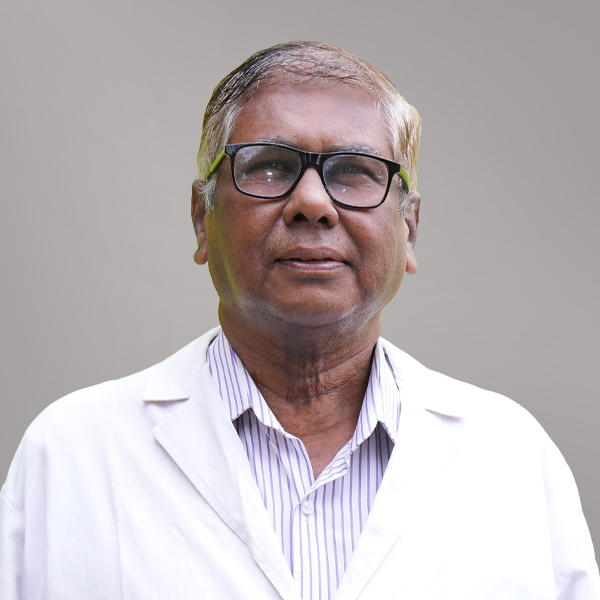
Consultant Plastic Surgeon

Dr.N.Arumugam

MS,MCH

dr-swaroop

Plastic Surgery

Dr. Swaroop

MBBS, MS ( General Surgery), MCh ( Plastic and Reconstructive Surgery)

Your Care Starts Here

Schedule an appointment with our specialist doctors and take the first step toward better health today.

Everything You Need to Know

Frequently Asked Questions

Facial injuries should be evaluated immediately if there is swelling, bleeding, bruising, facial asymmetry, breathing difficulty, jaw pain, or difficulty opening the mouth. Injuries involving the eyes, nose, cheeks, or jawbones may affect both appearance and function. Early assessment and treatment help reduce complications, improve healing, and minimize long-term deformity or scarring.

Minor facial fractures may heal with conservative management, medications, and observation. However, severe fractures involving the jaw, cheekbones, nose, or eye socket may require reconstructive surgery to restore proper alignment, facial symmetry, chewing function, and appearance.

The visibility of scars depends on the severity, depth, and location of the injury. Plastic Surgeons use advanced wound closure and scar management techniques to minimize visible scarring and improve cosmetic outcomes as much as possible.

Yes. Reconstructive plastic surgery can improve facial deformities caused by trauma, burns, congenital conditions, infections, or previous surgeries. Treatment plans are customized to improve both facial appearance and normal function.

Recovery depends on the complexity of the injury and the type of reconstruction performed. Minor procedures may heal within a few weeks, while major facial reconstruction may require longer healing time, follow-up care, and rehabilitation.

Burns that are deep, painful, involve large body areas, or affect sensitive regions such as the face, hands, feet, chest, or joints should receive immediate specialist treatment. Early burn care reduces infection risk, improves healing, and prevents complications such as severe scarring and contractures.

Yes. Burn scars can be managed with scar revision surgery, laser therapy, pressure garments, skin grafting, silicone therapy, and reconstructive procedures. Treatment helps improve scar appearance, flexibility, and overall skin function.

Skin grafting is a reconstructive procedure where healthy skin is taken from another area of the body and placed over damaged burn areas. This promotes wound healing, protects exposed tissues, and improves recovery in severe burns.

Yes. Severe burns can cause scar contractures, where the skin tightens during healing and restricts movement around joints. Early physiotherapy and reconstructive treatment help improve mobility and function.

Recovery varies depending on the depth, severity, and extent of the burn injury. Minor burns may heal within days or weeks, while severe burns may require multiple surgeries, rehabilitation, and long-term scar management.

Wounds may fail to heal due to diabetes, poor blood circulation, infection, pressure, smoking, poor nutrition, or underlying medical conditions. Chronic wounds require specialized care to prevent complications and support proper healing.

You should seek medical attention if a wound does not improve within a few weeks, develops foul-smelling discharge, increases in size, becomes painful, or shows signs of infection such as redness and swelling.

Yes. Untreated ulcers can lead to severe infection, tissue damage, gangrene, and systemic complications. Early treatment helps prevent worsening of the condition.

Treatment options include wound cleaning, advanced dressings, infection control, debridement, negative pressure wound therapy, skin grafting, flap reconstruction, and specialized wound care techniques.

Yes. Plastic Surgeons play an important role in advanced wound management by providing tissue reconstruction, skin grafting, flap coverage, and surgical techniques that support healing and restore function.

Cleft lip and cleft palate are congenital conditions that develop during pregnancy when facial tissues do not fuse completely before birth. The exact cause may involve genetic and environmental factors.

Yes. Reconstructive surgery can significantly improve appearance, feeding ability, speech development, breathing, and overall facial function in children with cleft conditions.

The timing depends on the child’s age, health condition, weight, and severity of the deformity. Surgical correction is often performed in stages during infancy and early childhood.

Yes. Untreated cleft palate may lead to speech difficulties, feeding problems, recurrent ear infections, and hearing issues. Early surgical correction and speech therapy are often beneficial.

Some children may require staged reconstructive procedures and additional corrective surgeries as they grow to improve both appearance and function.

Hand injuries involving severe pain, swelling, bleeding, numbness, deformity, or inability to move fingers should receive immediate medical evaluation. Early treatment improves recovery and hand function.

Minor tendon injuries may heal with splinting and physiotherapy, but severe tendon tears or complete ruptures often require surgical repair to restore movement and strength.

Untreated injuries may lead to stiffness, weakness, loss of grip strength, reduced movement, or permanent disability. Early diagnosis and treatment improve long-term outcomes.

Yes. Specialized microsurgical and reconstructive procedures can repair damaged nerves and improve sensation and hand function.

Yes. Physiotherapy and rehabilitation are essential after hand surgery to restore flexibility, strength, coordination, and overall hand function.

Yes. Plastic Surgery offers advanced scar revision procedures and reconstructive treatments that help improve the appearance, texture, and flexibility of traumatic scars. Treatment options are selected based on the size, location, and severity of the scar.

Early evaluation after wound healing helps determine the best treatment approach. Timely scar management can reduce thickening, discoloration, and long-term cosmetic concerns.

Yes. Large scars, especially near joints or facial areas, can restrict movement, affect flexibility, and interfere with normal activities if left untreated.

While scars may not disappear completely, modern reconstructive and cosmetic treatments can significantly improve their appearance and function.

Treatment options may include scar revision surgery, laser therapy, silicone therapy, steroid injections, skin grafting, and reconstructive procedures depending on the condition.

If appearance-related concerns affect confidence, comfort, self-esteem, or emotional well-being, consultation with a Plastic Surgeon may help explore suitable treatment options.

Cosmetic procedures are generally safe when performed by qualified specialists in an appropriate medical setting following proper evaluation and safety protocols.

Many patients experience improved confidence, body image, and emotional well-being following cosmetic or corrective procedures.

Results vary depending on the procedure, skin condition, lifestyle, aging process, and individual healing response. Some procedures may require maintenance over time.

Yes. Recovery time depends on the type of procedure performed. Minor procedures may require a few days, while more extensive surgeries may need several weeks for complete healing.

After significant or rapid weight loss, the skin may lose elasticity and fail to shrink completely, leading to loose or hanging skin in different body areas.

Yes. Body contouring and reconstructive procedures can remove excess skin, improve body shape, and enhance comfort and mobility.

Yes. Excess skin may lead to irritation, fungal infections, skin rashes, hygiene difficulties, discomfort, and restricted movement.

Depending on the severity and associated symptoms, body contouring may be considered both functional and cosmetic in nature.

Recovery depends on the extent of surgery and body areas treated. Patients may require temporary activity restrictions and follow-up care during healing.

Facial asymmetry may result from congenital conditions, trauma, facial nerve disorders, developmental abnormalities, infections, or previous surgeries.

Yes. Reconstructive and corrective procedures can help improve facial balance, symmetry, appearance, and overall facial harmony.

Mild asymmetry is common in many individuals, but significant deformities or sudden changes should be medically evaluated.

Yes. Many reconstructive procedures aim to improve facial appearance while also restoring normal speech, chewing, breathing, or facial movement.

Imaging studies such as CT scans or X-rays may be required for accurate diagnosis and surgical planning.

Persistent, enlarging, painful, or unexplained swellings should be examined by a specialist to identify the underlying cause and determine appropriate treatment.

No. Many soft tissue swellings are benign, such as cysts or lipomas, but proper medical evaluation is important to rule out serious conditions.

Yes. Surgical removal may be recommended depending on the diagnosis, symptoms, location, and size of the swelling.

Plastic Surgeons use specialized wound closure and reconstructive techniques to minimize visible scarring and improve cosmetic outcomes whenever possible.

Biopsy may be necessary in selected cases to confirm the diagnosis and guide further treatment planning.

Contractures occur when scar tissue tightens the skin, muscles, or surrounding tissues, leading to restricted movement and reduced flexibility.

Yes. Severe burns commonly lead to scar contractures during healing, especially around joints such as the neck, elbow, fingers, or knees.

Mild contractures may improve with physiotherapy, while moderate to severe contractures often require surgical release and reconstruction.

There is a possibility of recurrence, but regular physiotherapy, splinting, and rehabilitation help reduce the risk significantly.

Most patients experience improved flexibility, movement, and daily function following corrective treatment and rehabilitation.

Diabetes can reduce blood circulation and damage nerves, making wounds heal slowly and increasing the risk of infection and tissue damage.

Any wound that is non-healing, swollen, painful, foul-smelling, or associated with redness or discharge should receive immediate medical attention.

Yes. Plastic Surgeons provide advanced wound care, tissue reconstruction, skin grafting, and flap coverage procedures to support healing and preserve the affected limb.

Untreated severe infections or poor circulation may increase the risk of tissue loss and amputation. Early treatment significantly improves outcomes.

Good diabetes control, regular foot examination, proper footwear, hygiene, and early medical attention for wounds help reduce complications and improve foot health.

Book Appointment Call Now