










2100, VGM Hospital bus stop, Trichy Road,
Singanallur, Coimbatore, Tamil Nadu, India.
Advanced liver care with expert diagnosis and treatment of liver diseases including hepatitis, cirrhosis, and fatty liver disorders.
Book AppointmentThe Department of Hepatology at VGM Multispecialty Hospital provides expert care for liver diseases, ranging from hepatitis to cirrhosis. Our team of hepatologists is dedicated to delivering individualized treatment plans, utilizing the latest technologies to provide the highest standard of care for all liver conditions.
You should consult a hepatologist if you experience liver-related symptoms that persist or worsen over time.
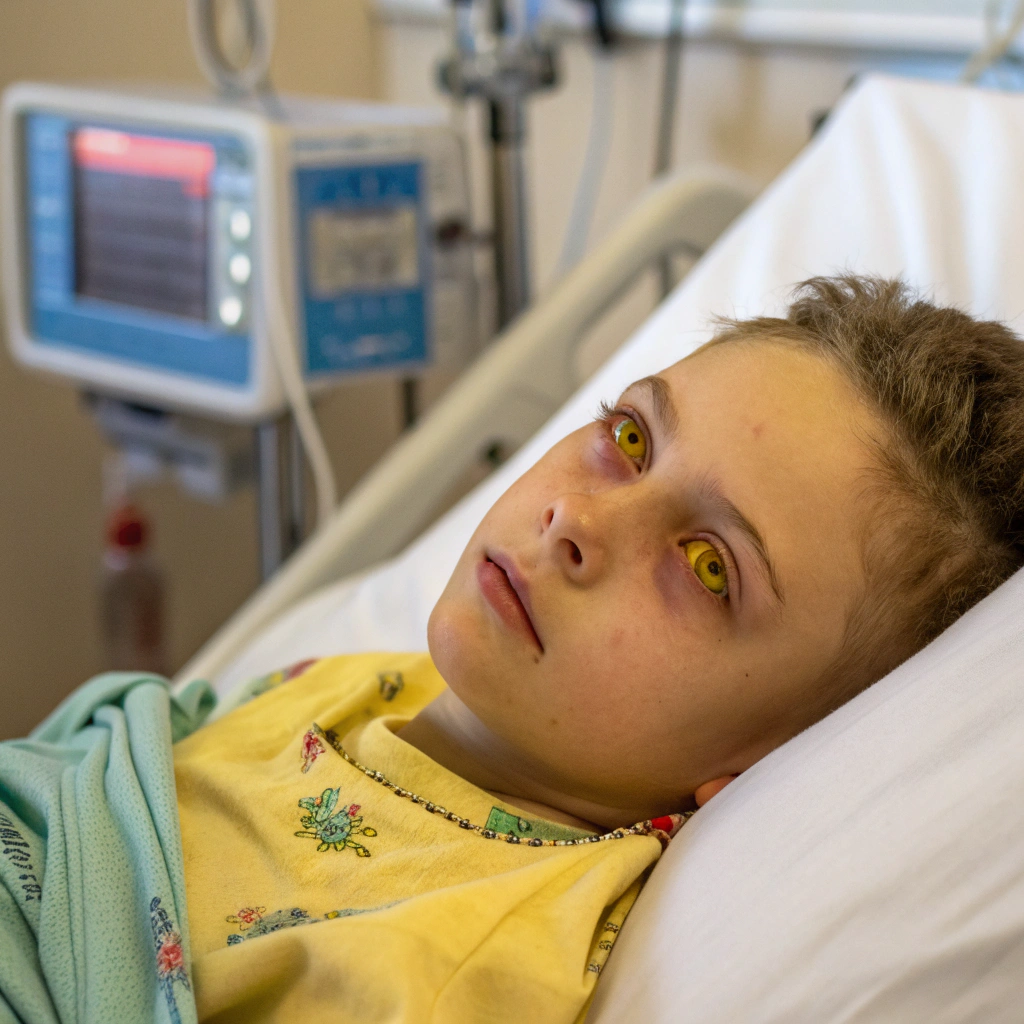
Jaundice
Persistent fatigue
Bloating and abdominal pain
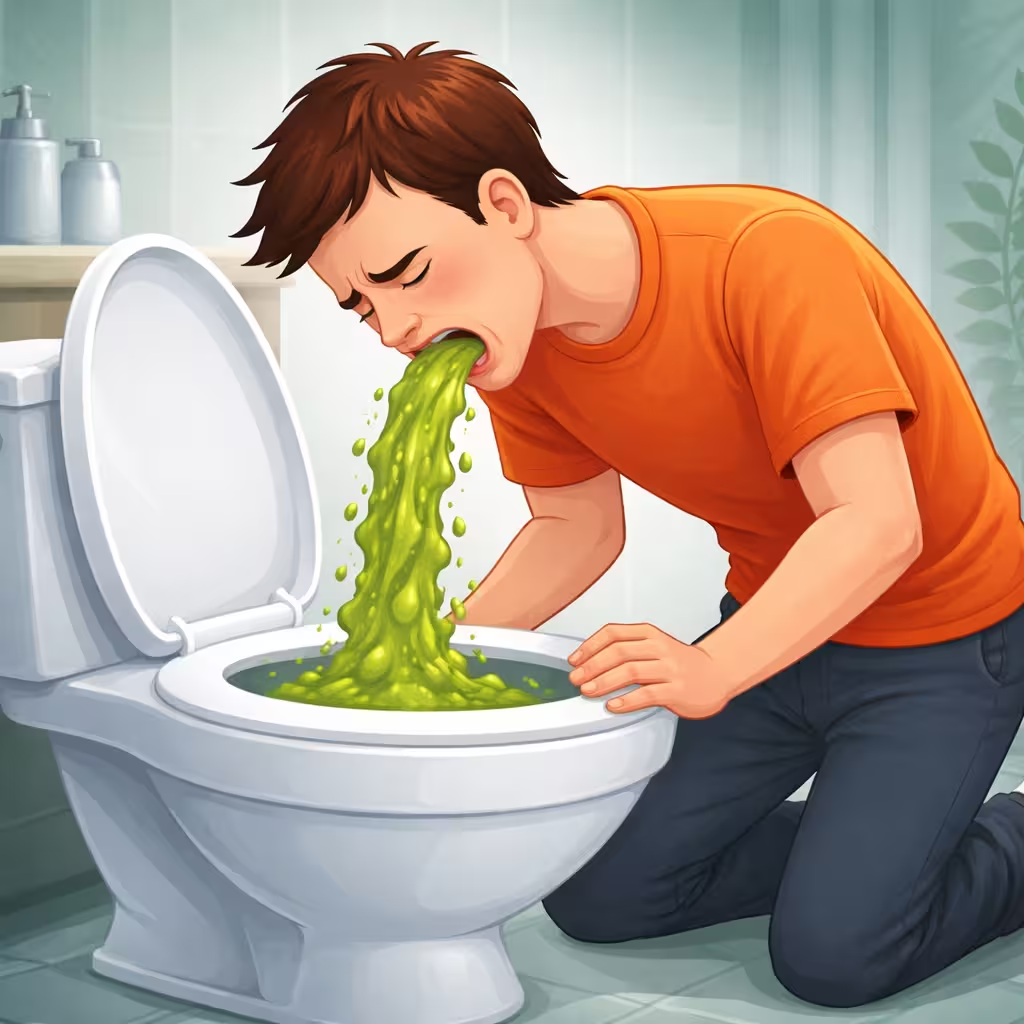
Nausea & vomiting, loss of appetite
Unexplained weight loss
Dark urine
Pale or Clay-Colored Stools
Itching (pruritus)
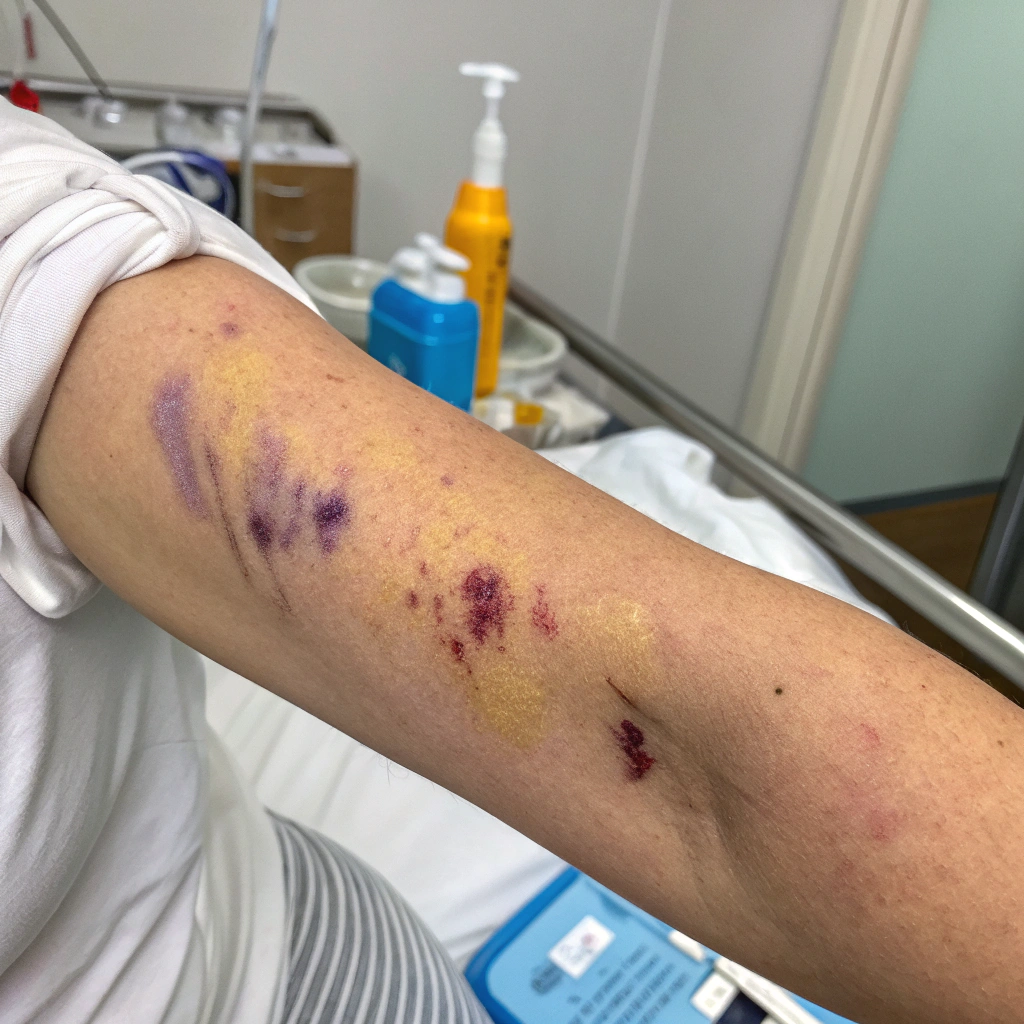
Easy bruising or bleeding
Confusion, forgetfulness, or mental changes
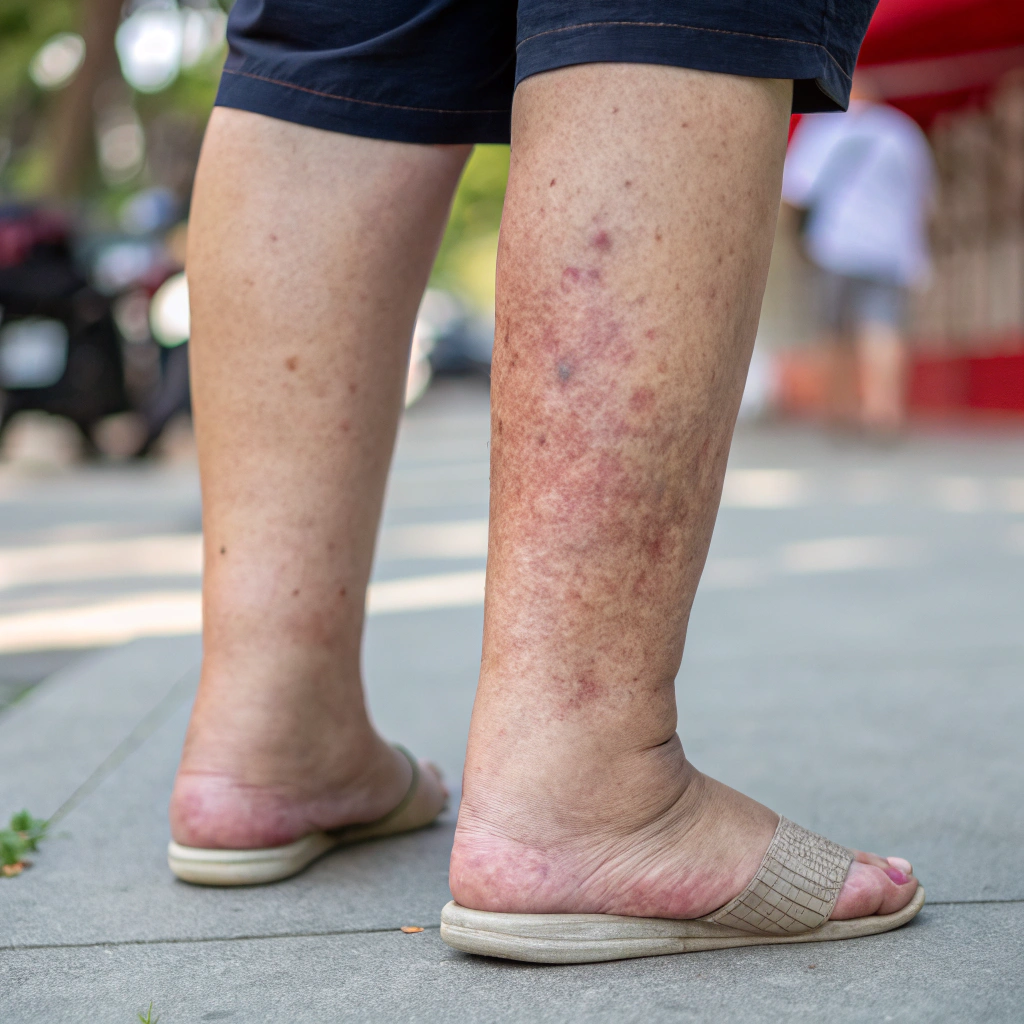
Swelling in legs or ankles
Gastrointestinal bleeding
Early diagnosis and timely treatment can prevent complications.
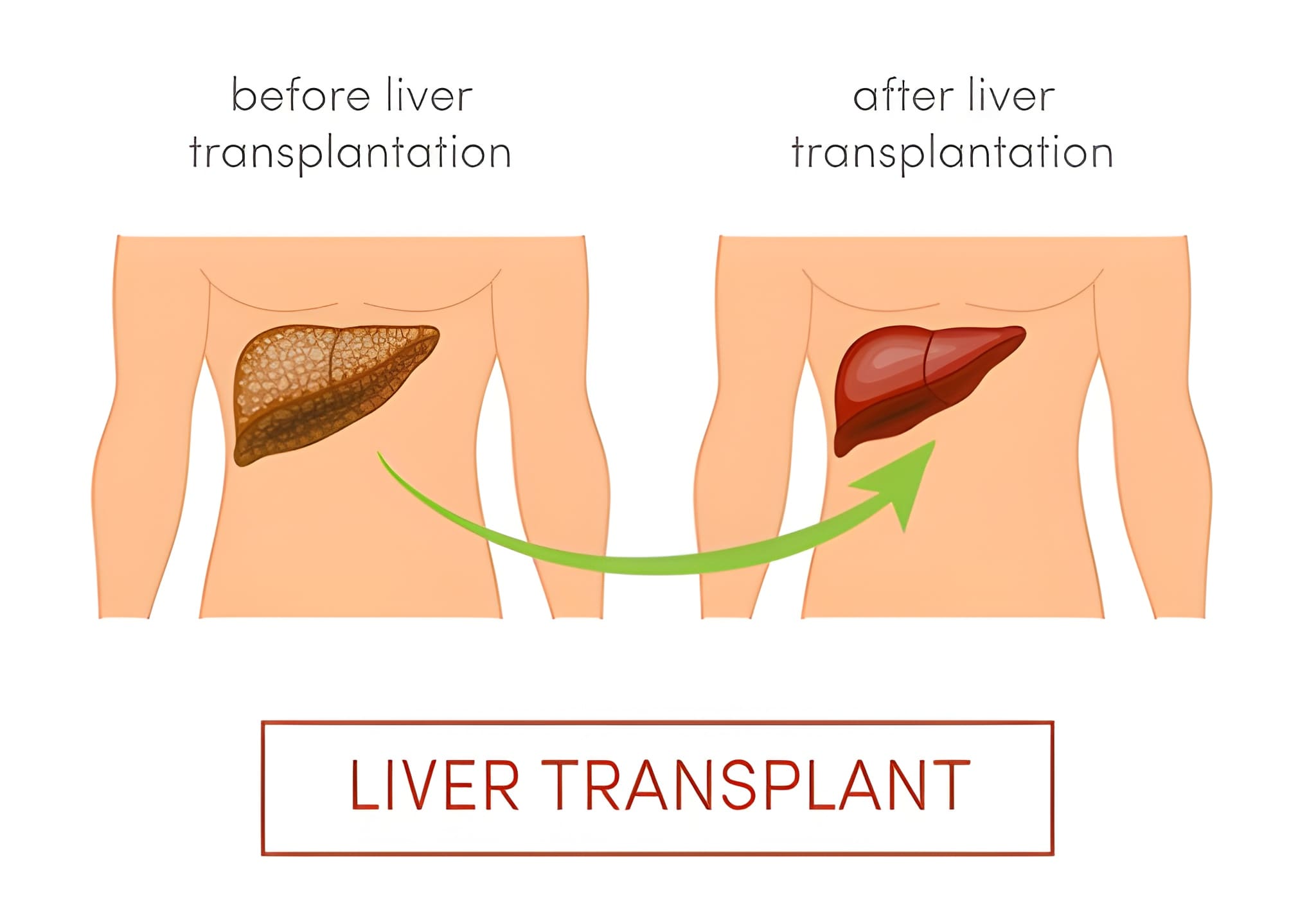
VGM Hospital offers comprehensive liver transplantation care, from pre-transplant evaluation and donor work-up to post-transplant intensive management and lifelong follow-up. Our multidisciplinary transplant team ensures optimal outcomes through seamless coordination and advanced ICU support.
All surgeries are performed by expert hepatobiliary surgeons in collaboration with the critical care and transplant team.
Specialized care for patients with advanced or end-stage liver disease, focusing on symptom control, nutrition, and quality of life enhancement, supported by psychological and family counseling services.
MD., DM., Pediatric Gastroenterologist Pediatric & Hepatologist, Visiting consultant
MS,DNB, FMAS, MBA Liver Transplant Surgeon
Schedule an appointment with our specialist doctors and take the first step toward better health today.
Hepatology is a branch of medicine that focuses on the study, diagnosis, and treatment of diseases affecting the liver, gallbladder, bile ducts, and pancreas.
You should consult a hepatologist if you experience symptoms like yellowing of the eyes or skin (jaundice), dark urine, abdominal swelling, fatigue, loss of appetite, or have abnormal liver test results.
A hepatologist treats disorders such as hepatitis (A, B, C, D, E), fatty liver disease, cirrhosis, jaundice, alcoholic liver disease, liver cancer, bile duct problems, and portal hypertension.
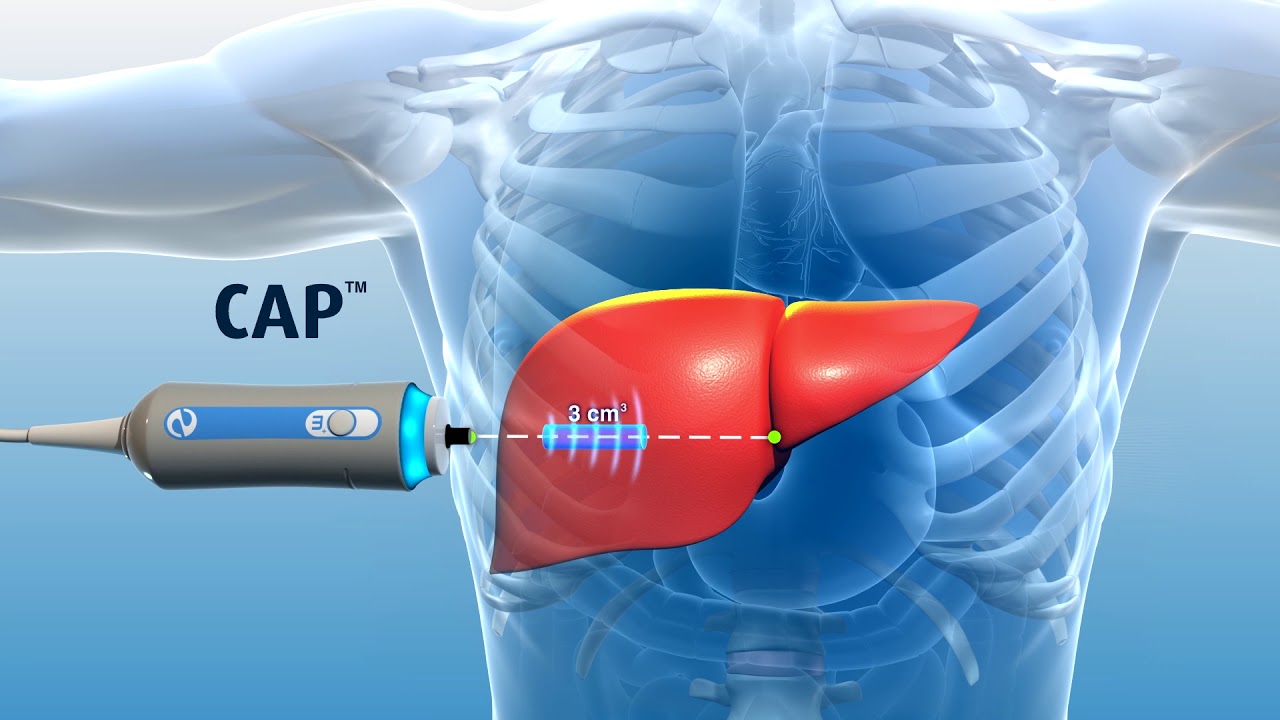
Liver diseases are diagnosed using blood tests (Liver Function Tests), imaging tests like ultrasound, CT, MRI, FibroScan, viral marker tests, and sometimes a liver biopsy.
Common symptoms include fatigue, nausea, loss of appetite, yellowing of the skin or eyes, itching, swelling in the abdomen or legs, and unexplained weight loss.
Liver disease can range from mild and reversible conditions to severe, life-threatening illnesses such as cirrhosis or liver failure. Early diagnosis and treatment are essential.
Yes. Many liver diseases can be prevented by avoiding alcohol, maintaining a healthy weight, getting vaccinated for hepatitis, eating a balanced diet, and avoiding unnecessary medications.
Treatment depends on the cause and stage of the disease. Options include medications, antiviral therapy, lifestyle modifications, dietary control, and in severe cases, liver transplantation.
A liver transplant is a surgical procedure where a damaged or failing liver is replaced with a healthy liver from a donor. It is recommended for patients with end-stage liver disease or certain liver cancers.
You can prevent fatty liver by maintaining a healthy weight, exercising regularly, avoiding alcohol, eating fewer fried and sugary foods, and managing diabetes or cholesterol effectively.
Hepatitis is inflammation of the liver, usually caused by viruses such as Hepatitis A, B, and C. It spreads through contaminated food/water, infected blood, unsafe injections, or unprotected sex depending on the type.
Yes. In early stages, fatty liver is reversible with lifestyle improvements such as regular exercise, healthy diet, avoiding alcohol, and maintaining proper body weight.
Cirrhosis is a condition where long-term liver damage leads to scarring, reducing the liver’s ability to function. It may result from chronic hepatitis, alcohol abuse, or fatty liver disease.
Yes. Vaccines are available for Hepatitis A and B, and they are safe and highly effective in preventing infection.
Eat a balanced diet, drink plenty of water, avoid excessive alcohol, maintain a healthy weight, get vaccinated for hepatitis, and attend regular liver checkups if you are at risk.