2100, VGM Hospital bus stop, Trichy Road,
Singanallur, Coimbatore, Tamil Nadu, India.
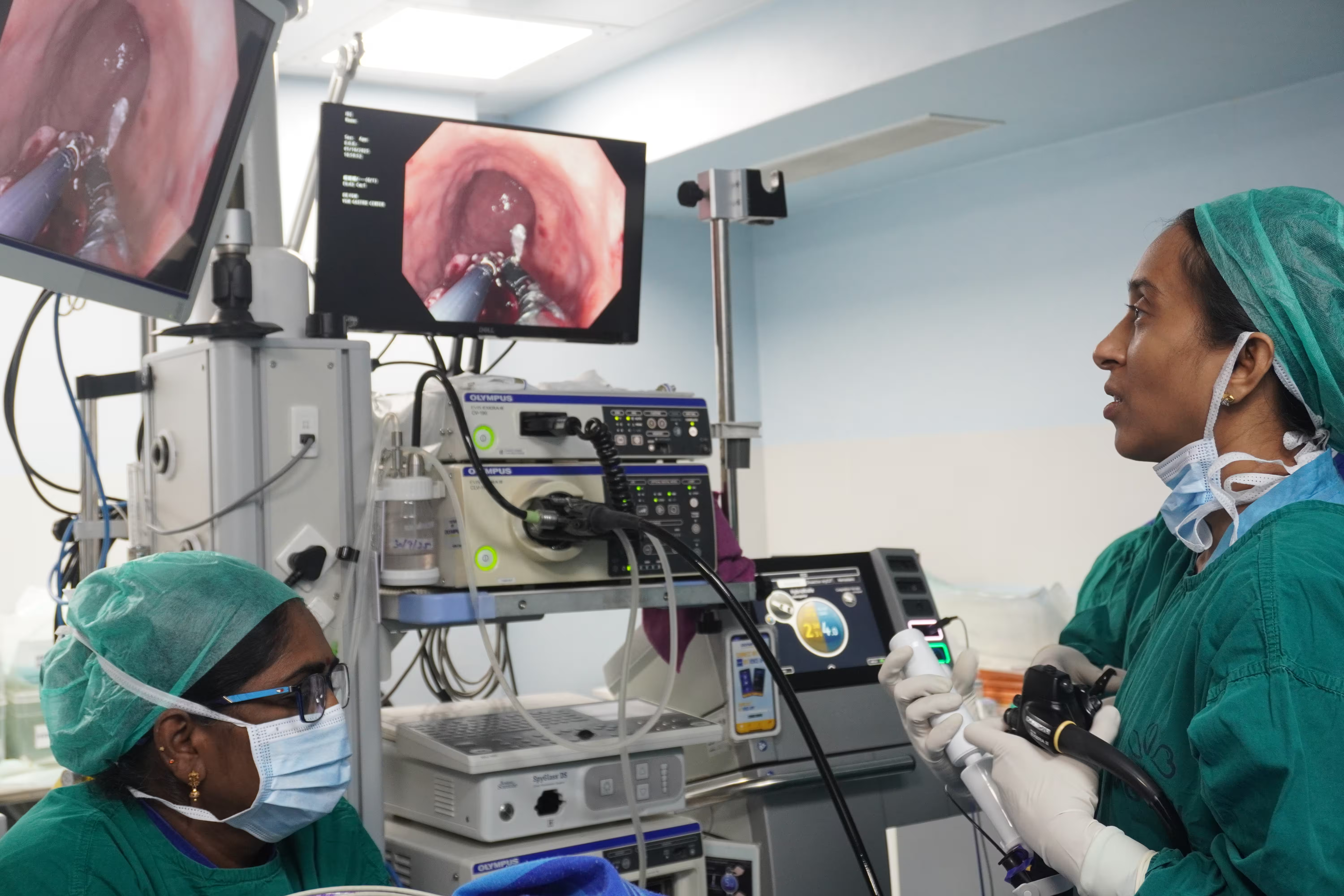
Comprehensive surgical solutions for gastrointestinal, liver, and pancreatic disorders with advanced minimally invasive and open surgical techniques.
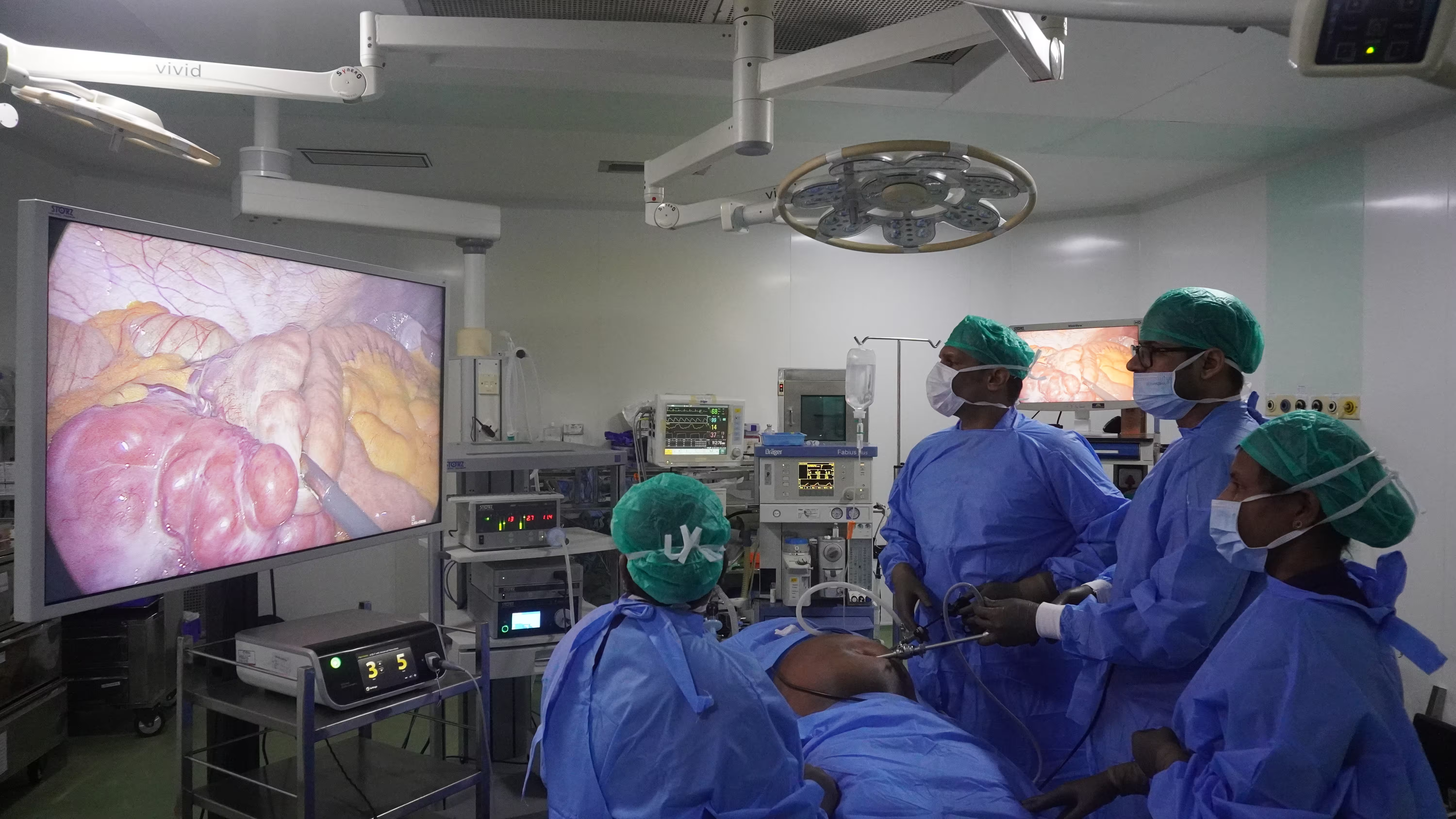
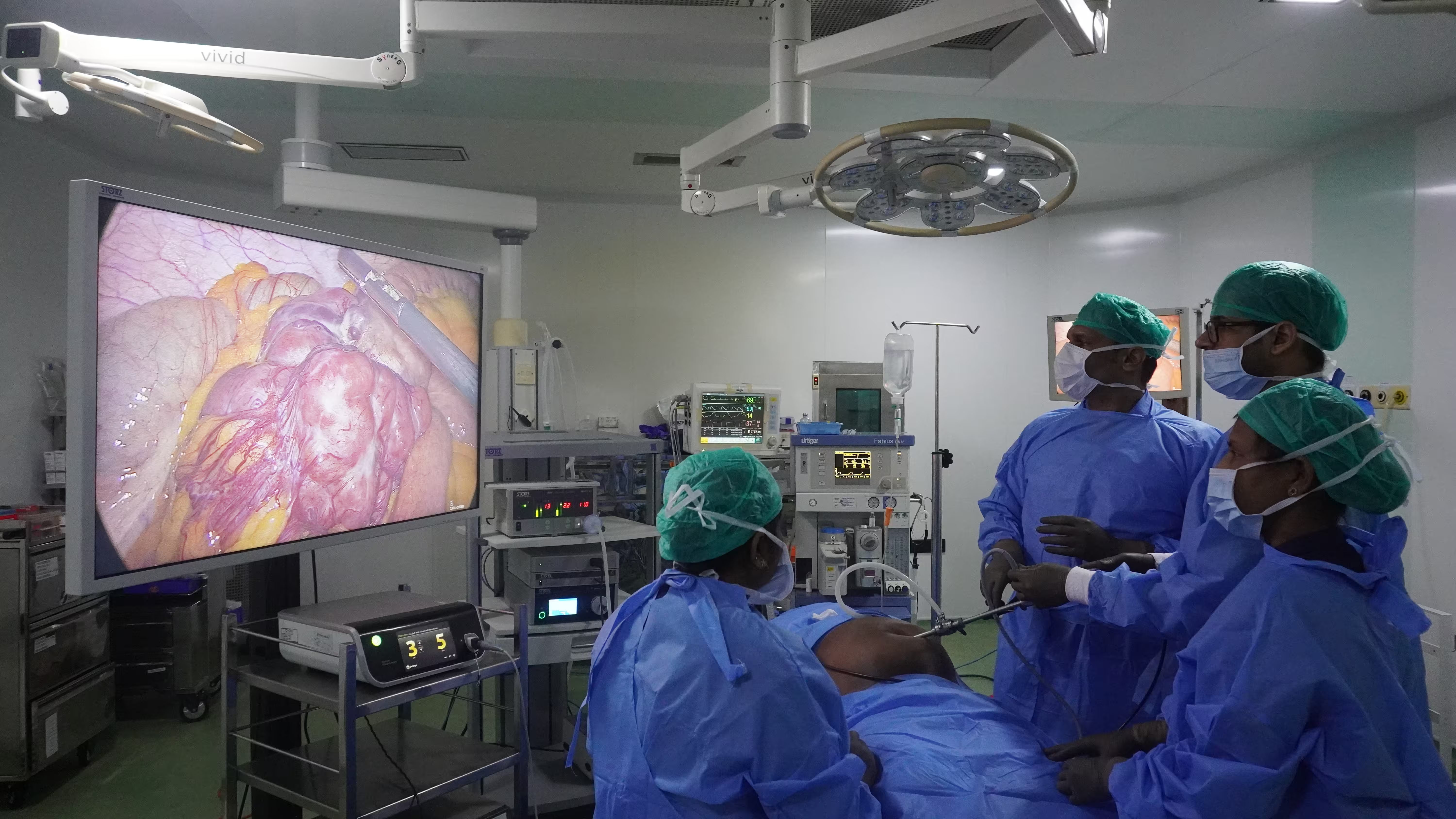
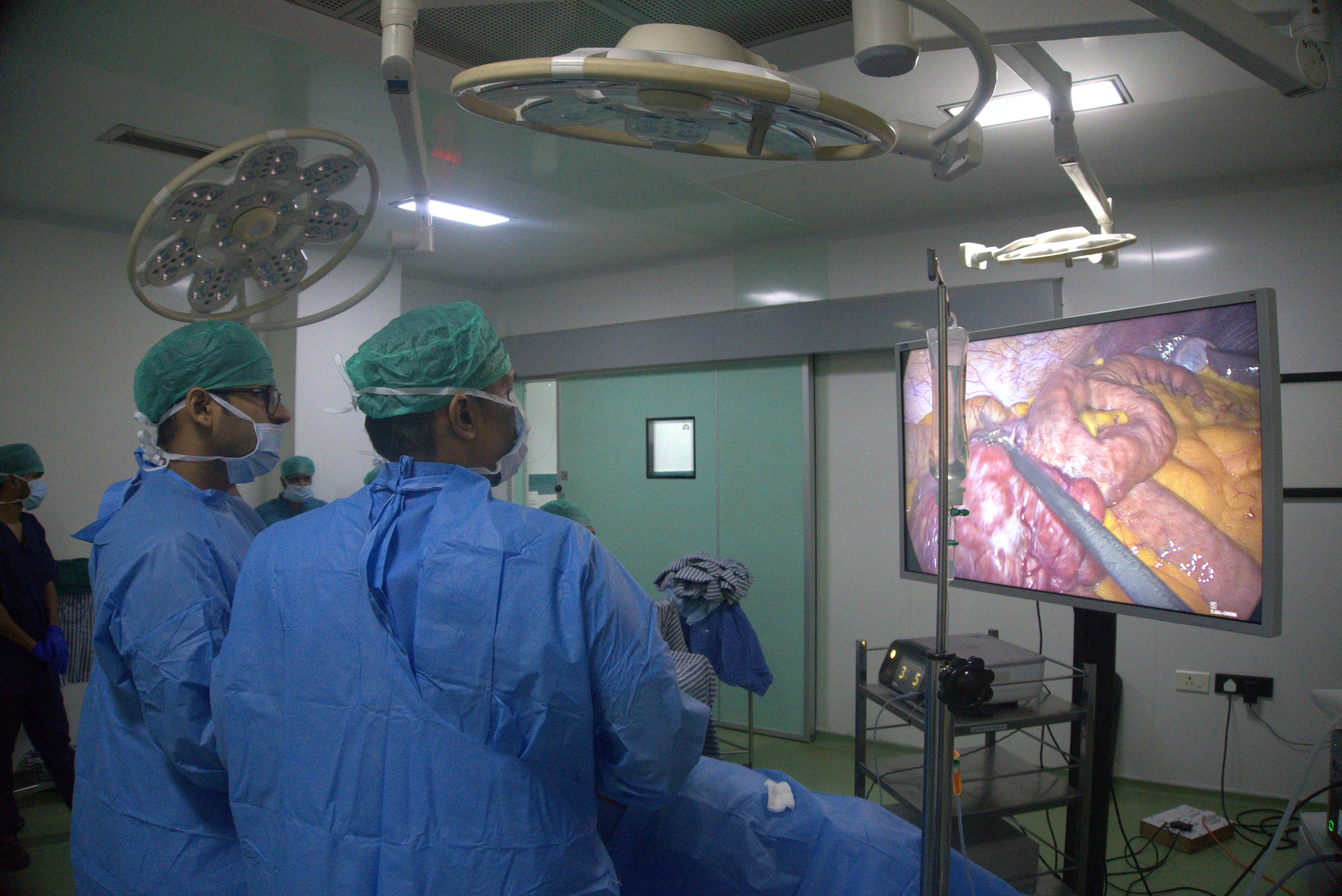
Book AppointmentAt VGM Multispecialty Hospital, the Department of Surgical Gastroenterology offers expert surgical management for a wide range of digestive system diseases. From routine procedures like hernia and gallbladder surgery to complex liver, pancreatic, and colorectal interventions, our skilled surgical team ensures safe, precise, and effective treatment for every patient.Using modern laparoscopic and minimally invasive techniques, we aim to reduce pain, shorten hospital stay, and speed up recovery delivering high-quality surgical care with a strong focus on digestive health and patient comfort.
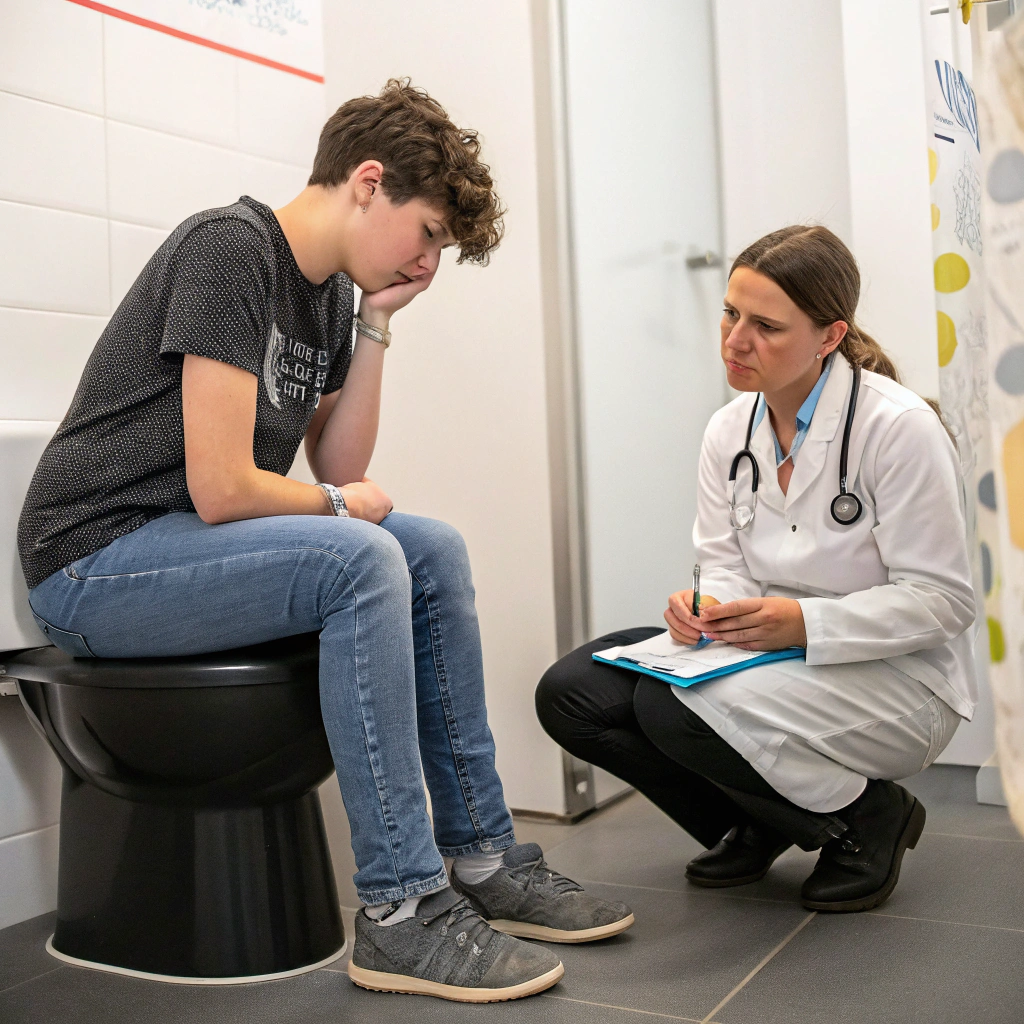
You should consult a gastroenterologist if digestive symptoms persist, recur frequently, or begin to affect your daily life.
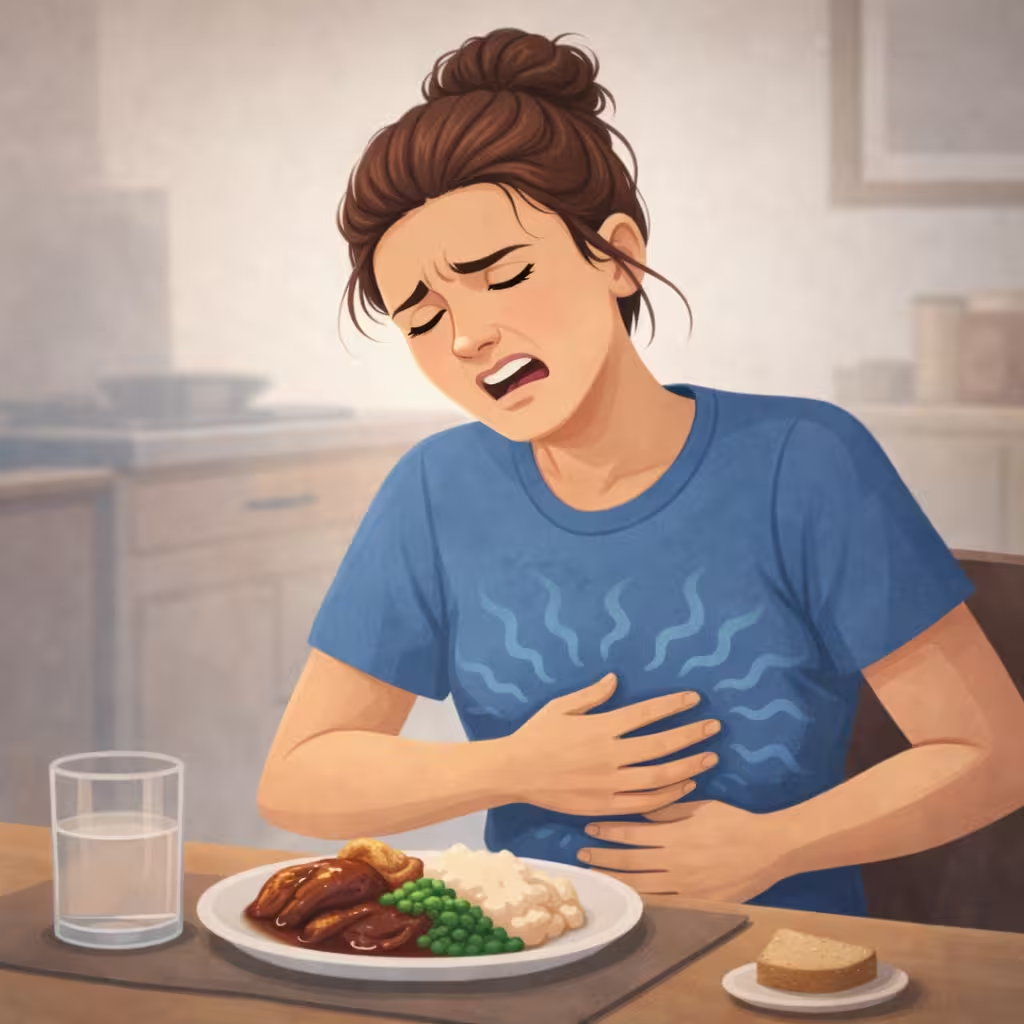
Abdominal Pain
Bloating
Indigestion
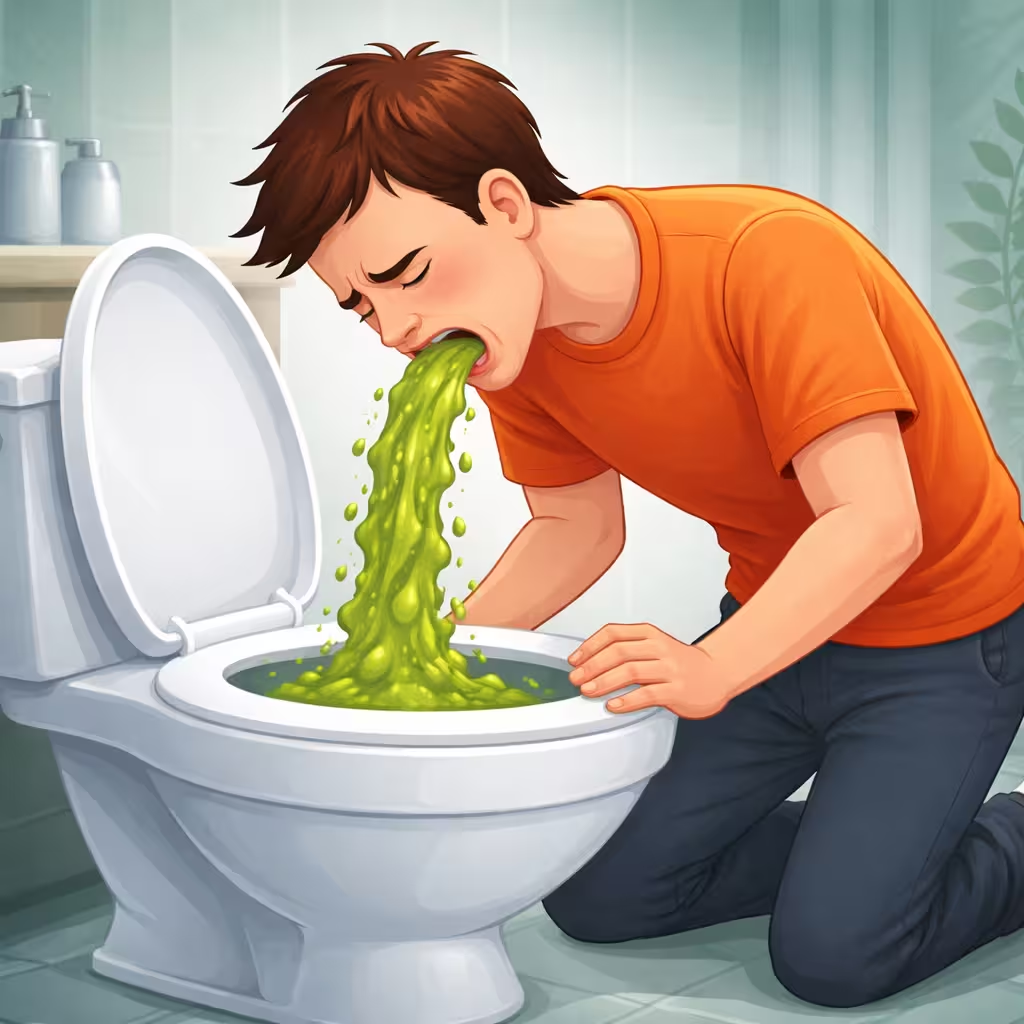
Nausea and Vomiting
Jaundice
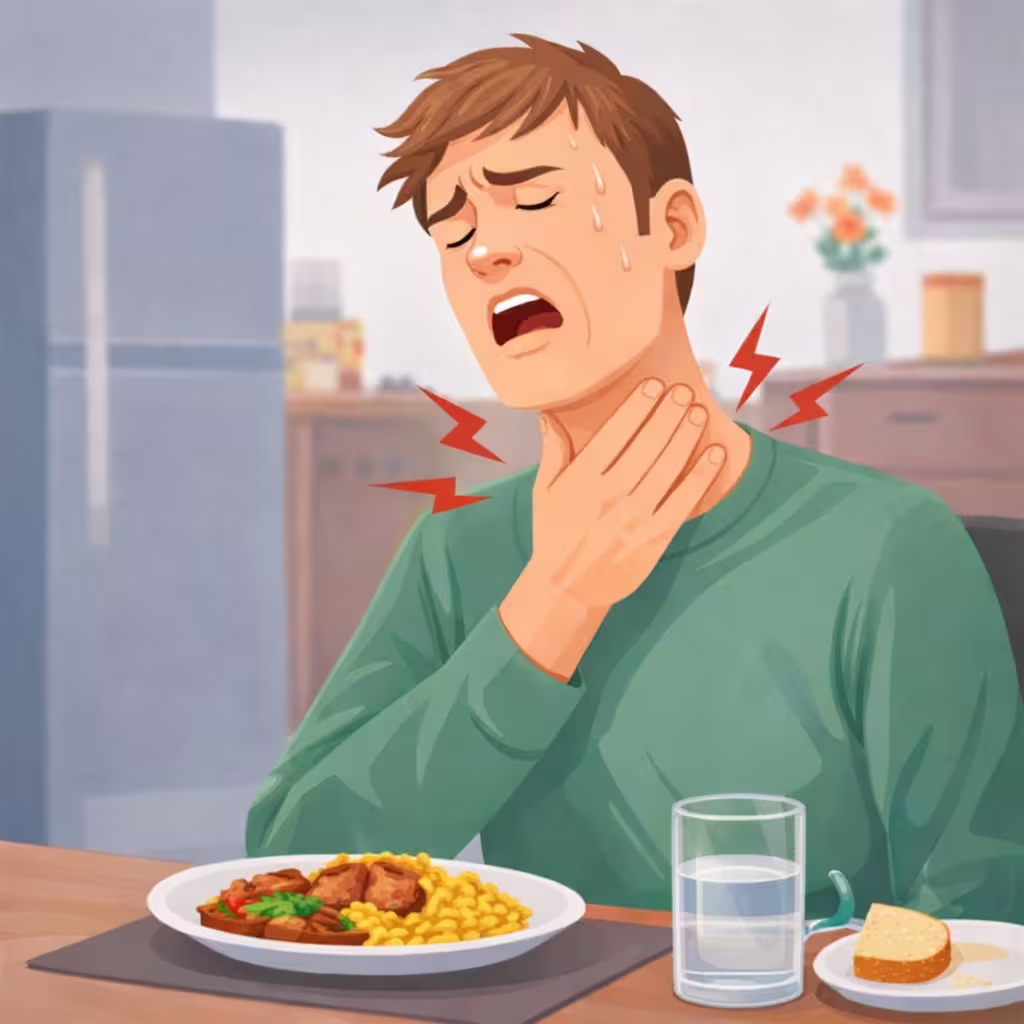
Difficulty swallowing
Severe acidity
Persistent Constipation
Persistent Diarrhea
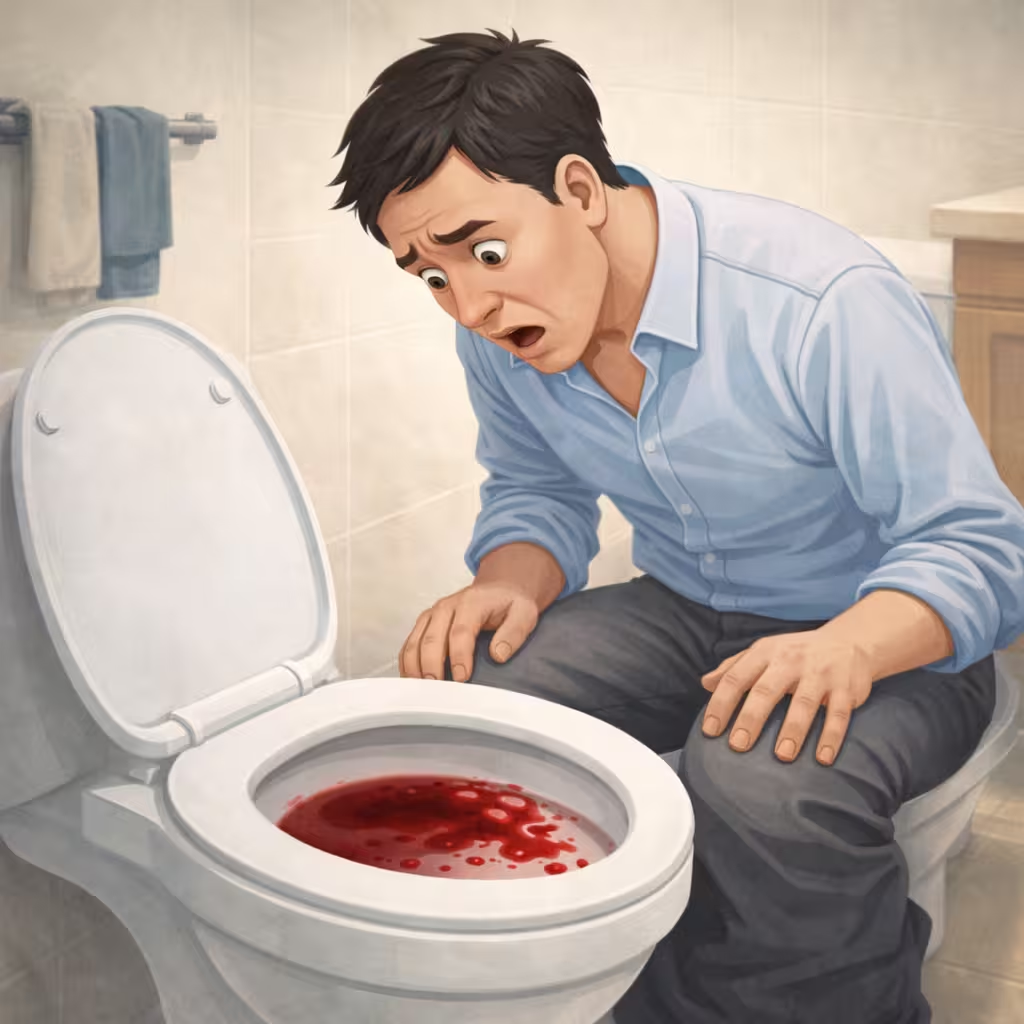
Blood in stool
Black stool
Unexplained weight loss
Hernia bulge
Pain while passing stool
Rectal Bleeding/Discharge
Early diagnosis and timely treatment can prevent complications.
We specialize in a broad range of advanced laparoscopic procedures, including:
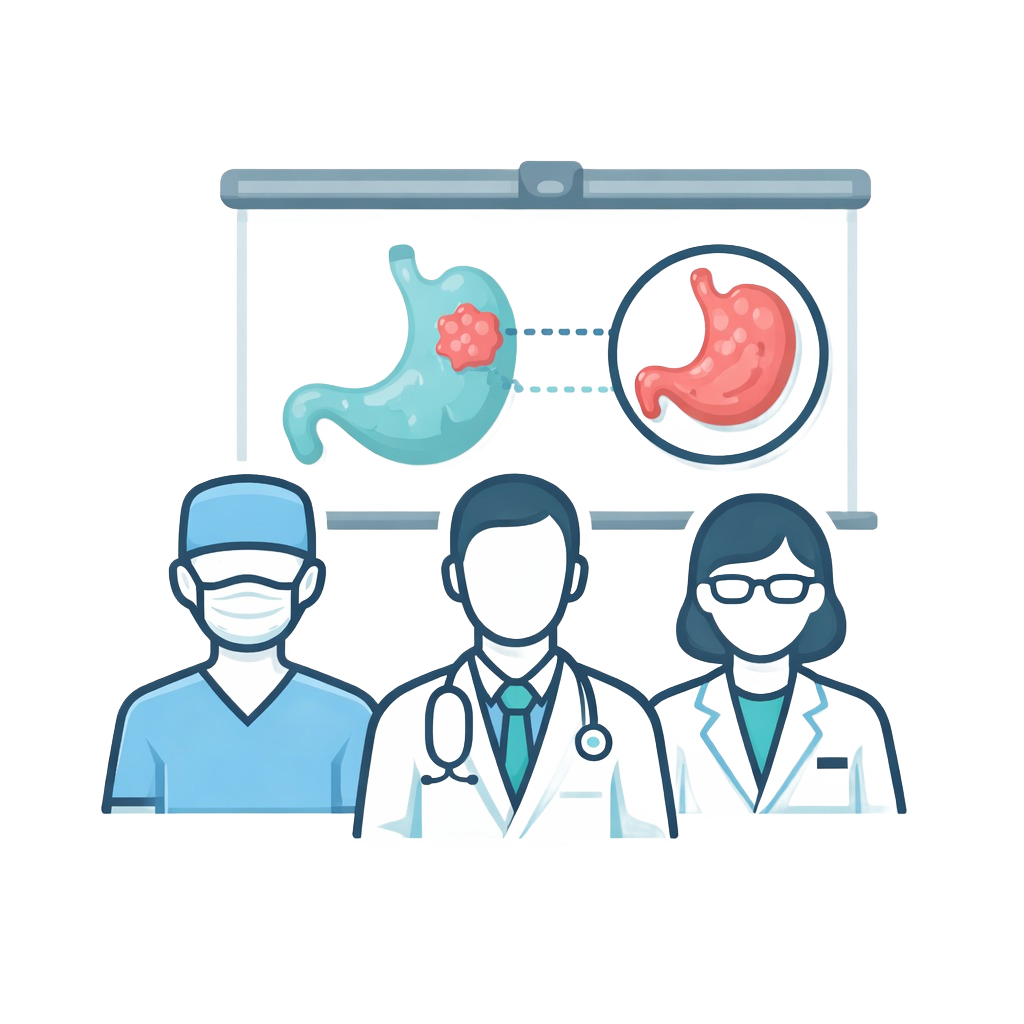
Our surgeons perform all types of gastrointestinal, pancreatic, and liver cancer surgeries, including complex resections and reconstructions, supported by a multidisciplinary tumor board approach and precision oncology protocols for optimal outcomes.
Our bariatric surgery program provides lasting solutions for weight reduction and diabetes control, helping patients achieve long-term metabolic balance and improved quality of life.
Immediate surgical solutions for obstructions, perforations, and GI bleeding.
Our Medical Gastroenterology department performs a wide range of advanced, minimally invasive procedures to diagnose and treat digestive, liver, and pancreatic disorders. Most procedures are safe, effective, and completed as daycare procedures.
All procedures are performed by experienced gastroenterologists using advanced technology, with close monitoring to ensure patient comfort, safety, and faster recovery.
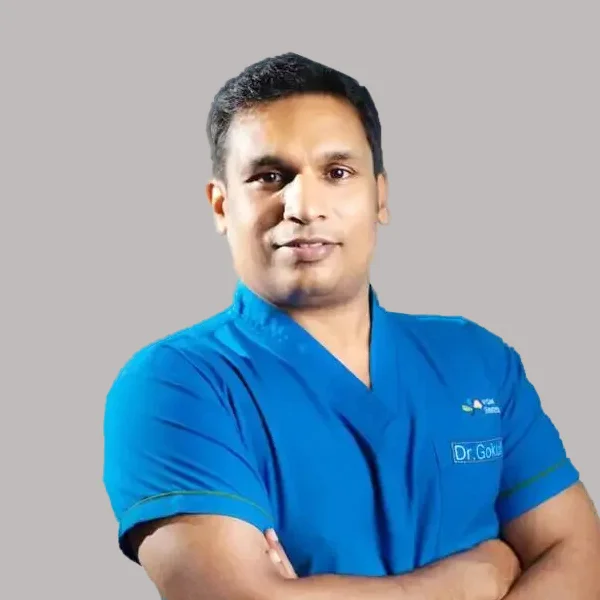
MS, DNB, FMAS, MBA HOD, Surgical Gastroenterology & Minimal Access Surgery
Consultant GI & Advanced Laparoscopic Surgeon
M.B.B.S., MS
Schedule an appointment with our specialist doctors and take the first step toward better health today.
Surgical Gastroenterology deals with the diagnosis and surgical treatment of diseases affecting the digestive organs such as the esophagus, stomach, intestines, liver, pancreas, and gallbladder.
They manage conditions like gallstones, hernias, gastrointestinal cancers, pancreatic disorders, liver tumors, colorectal diseases, and complications from ulcers or perforations.
You should see one if you have persistent abdominal pain, difficulty swallowing, blood in stool, jaundice, recurrent vomiting, or have been advised surgery for any digestive condition.
Common procedures include laparoscopic gallbladder removal, hernia repair, colorectal surgery, pancreatic surgery, gastric cancer surgery, and liver resections.
Laparoscopic surgery is a minimally invasive technique performed through small incisions using a camera and special instruments, leading to faster recovery and less pain.
It offers smaller scars, less pain, shorter hospital stay, quicker recovery, and reduced risk of infection compared to open surgery.
Most patients can return to normal activities within 1–2 weeks, depending on the type of procedure and individual healing.
Not always. Many digestive diseases can be managed with medication and lifestyle changes. Surgery is recommended only when necessary.
Symptoms include severe upper abdominal pain, nausea, vomiting, and discomfort after fatty meals. Surgery (laparoscopic cholecystectomy) is the definitive treatment.
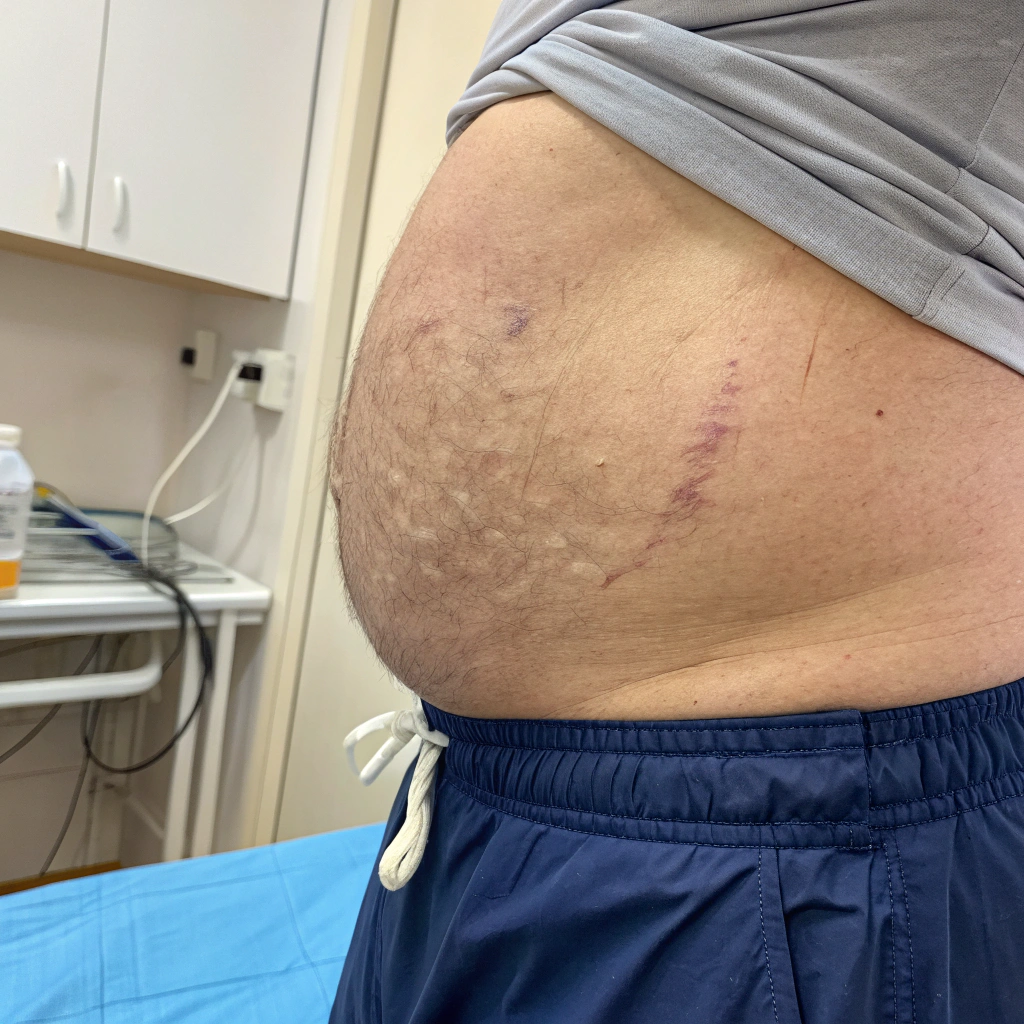
Hernia repair involves returning the displaced tissue to its normal position and reinforcing the weakened muscle wall using sutures or mesh.
Yes. Early detection allows successful surgical removal of tumors from the stomach, colon, pancreas, or liver. Advanced techniques improve recovery and outcomes.
Your doctor will advise fasting before surgery, stopping certain medications, and completing necessary blood tests and imaging studies.
Follow your surgeon’s advice on diet, wound care, medications, and physical activity. Avoid lifting heavy objects and attend follow-up appointments regularly.
Yes. Comprehensive screening, surgery, chemotherapy coordination, and long-term follow-up care are available for gastrointestinal cancers.