24x7-logo
Help Line:
0422-257 2573
Address:

2100, VGM Hospital bus stop, Trichy Road,
Singanallur, Coimbatore, Tamil Nadu, India.
Inflammatory & Functional Bowel Disorders

Personalized Intestinal Care at VGM Hospital

Inflammatory and functional bowel disorders affect the intestines and can significantly impact daily life. These conditions may involve visible inflammation or altered bowel function without structural damage. At VGM Hospital, we provide comprehensive diagnosis and individualized treatment for long-term symptom control and improved quality of life.

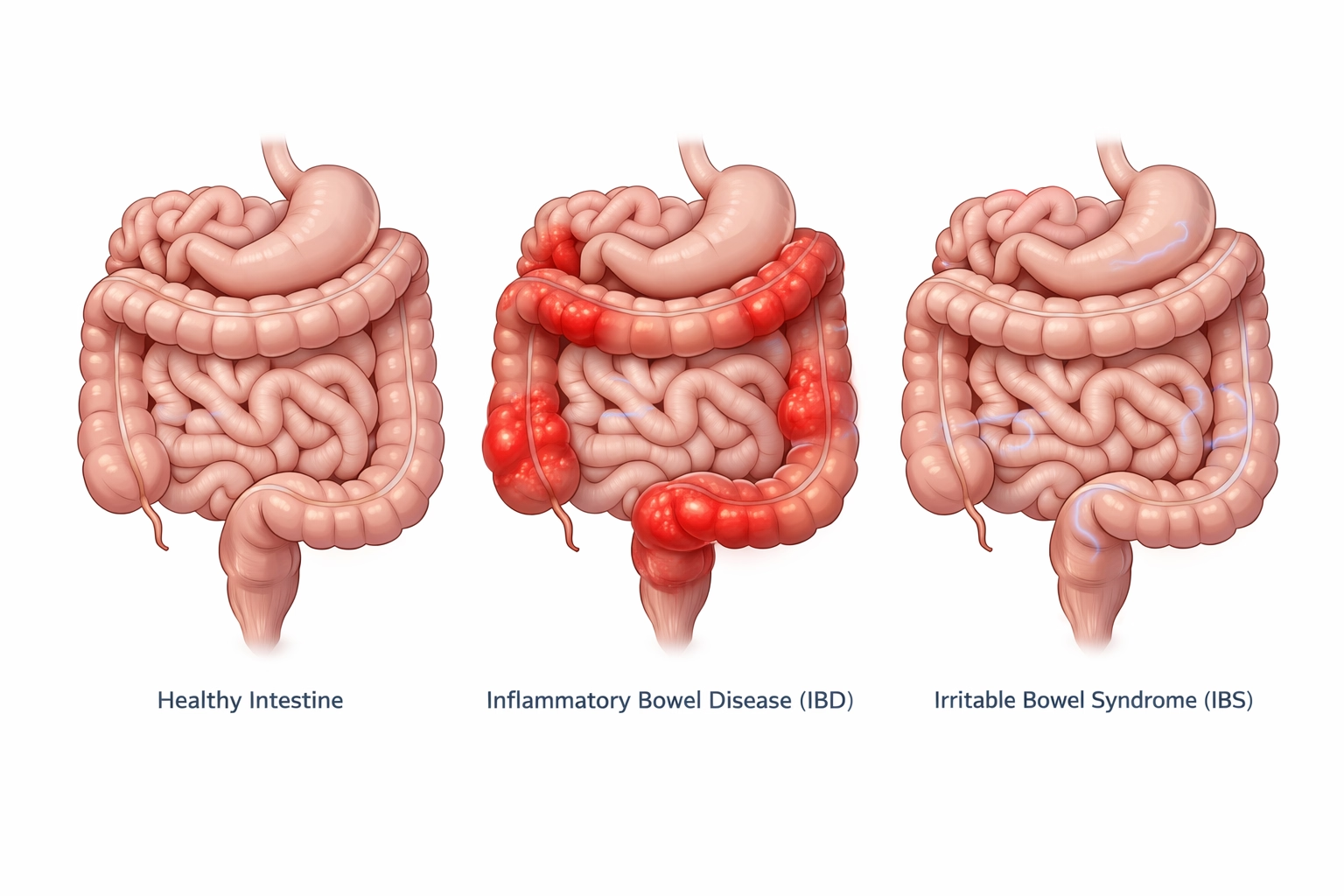
Inflammatory Bowel Disease (IBD)

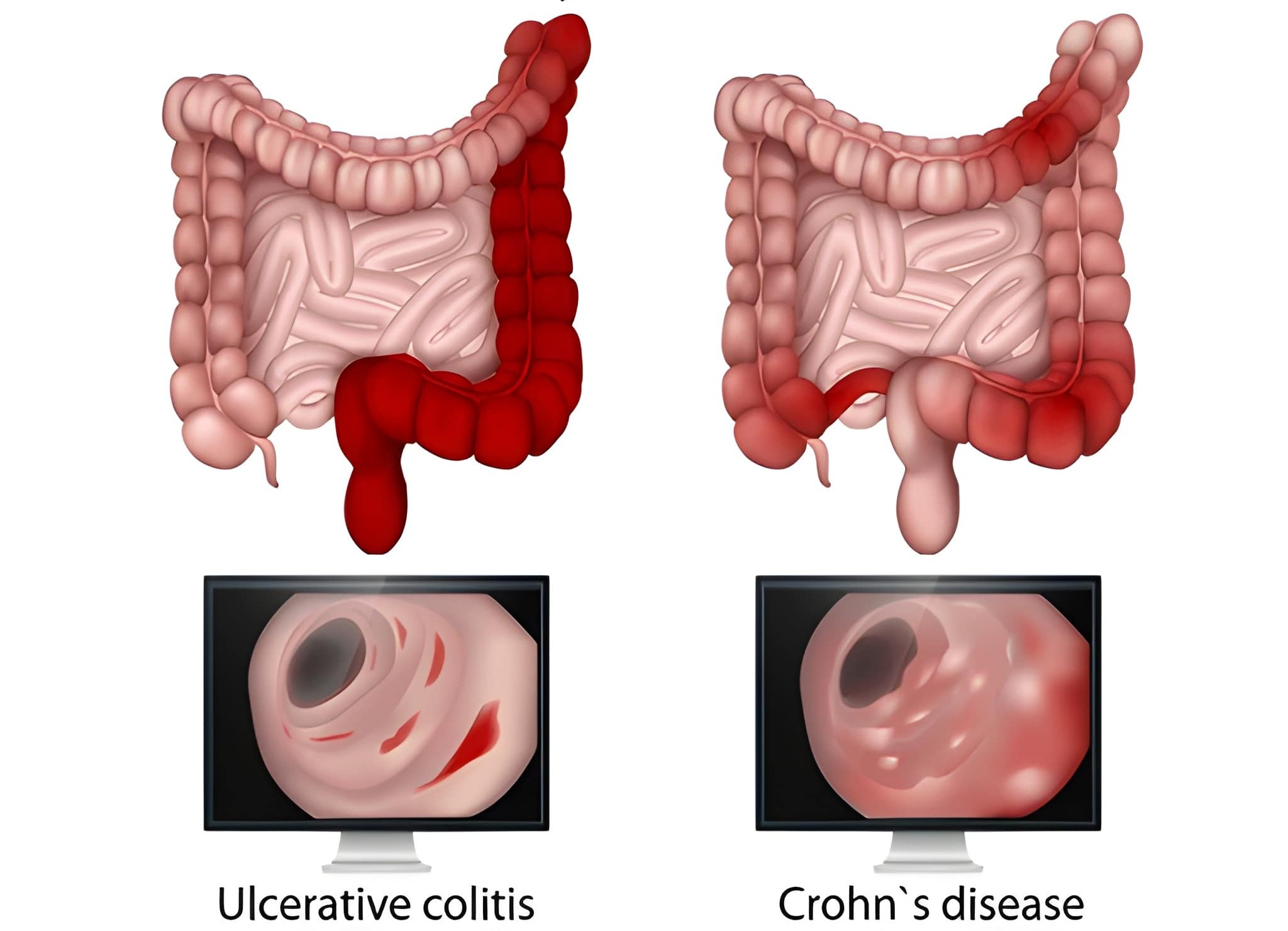
Inflammatory Bowel Disease (IBD) is a long-term condition in which the immune system causes inflammation in the digestive tract. The two main types of IBD are Ulcerative Colitis and Crohn's Disease. Although IBD is a chronic condition, it can be well controlled with proper treatment and regular medical care.

Ulcerative Colitis

Ulcerative Colitis affects only the large intestine (colon and rectum). Inflammation usually begins in the rectum and spreads continuously to other parts of the colon.

Common symptoms

  • Frequent loose stools
  • Blood or mucus in stools
  • Abdominal pain or cramps
  • Urgency to pass stools
  • Fatigue and weight loss

Types of Ulcerative Colitis

  • Ulcerative proctitis – inflammation limited to the rectum
  • Left-sided colitis – inflammation extends to the left side of the colon
  • Extensive colitis (pancolitis) – inflammation involves the entire colon

Crohn's Disease

Crohn's Disease can affect any part of the digestive tract, from the mouth to the anus. Inflammation may occur in patches and can involve deeper layers of the bowel wall.

Common symptoms

  • Chronic diarrhea
  • Abdominal pain
  • Weight loss
  • Fatigue
  • Mouth ulcers
  • In some cases, fistulas or abscesses

Types of Crohn's Disease

  • Ileal Crohn's disease – affects the end of the small intestine
  • Colonic Crohn's disease – affects the large intestine
  • Ileocolonic Crohn's disease – affects both small and large intestine
  • Upper gastrointestinal Crohn's disease – affects the stomach or upper intestine

Diagnosis of IBD

IBD is diagnosed using a combination of medical history, physical examination, and tests.

Common diagnostic methods

  • Blood tests to detect inflammation and anemia
  • Stool tests to rule out infections and measure intestinal inflammation
  • Colonoscopy to examine the intestine and collect biopsy samples
  • CT scan or MRI to assess the extent of disease and detect complications

Treatment Options

The goal of treatment is to reduce inflammation, control symptoms, and prevent flare-ups.

Medical treatment

  • Anti-inflammatory medications
  • Steroids for short-term control during flare-ups
  • Immunomodulators to regulate the immune response
  • Biologic therapies for moderate to severe disease

Diet and lifestyle management

  • Individualized dietary guidance
  • Avoiding foods that trigger symptoms
  • Stress management
  • Nutritional supplements when required

Surgical treatment

  • Surgery may be recommended if medications are ineffective or complications occur
  • Surgery is more commonly required in Crohn's disease than in ulcerative colitis

Irritable Bowel Syndrome (IBS)

Irritable Bowel Syndrome (IBS) is a functional bowel disorder where bowel habits are altered without visible inflammation or damage.

Symptoms of IBS

Abdominal pain

Abdominal pain or cramping

Bloating

Bloating and gas

Bowel habits

Constipation, diarrhea, or alternating bowel habits

Stress triggers

Symptoms triggered by stress or certain foods

IBS is a chronic condition but can be effectively managed with lifestyle and dietary adjustments.

Other Functional & Motility Disorders

These disorders affect how the intestines move and function, leading to digestive symptoms.

Bowel Disorders

Common Conditions Include

  • Chronic constipation
  • Functional diarrhea
  • Intestinal motility disorders
  • Malabsorption syndromes
  • Unexplained nausea or vomiting

Diagnosis

At VGM Hospital, diagnosis is tailored to each patient and may include:

Clinical Assessment

Detailed clinical assessment

Laboratory Tests

Blood and stool tests

Advanced Diagnostics

  • Imaging studies
  • Colonoscopy or endoscopy when required

Accurate diagnosis helps distinguish inflammatory conditions from functional disorders.

Treatment & Management

Treatment is individualized based on the condition and severity.

Treatment Options Include:

  • Medications to reduce inflammation
  • Symptom-targeted therapies
  • Dietary modifications
  • Stress management and lifestyle changes
  • Long-term follow-up and monitoring

Our goal is sustained symptom control and improved daily functioning.

Living Well with Bowel Disorders

With proper care and guidance:

  • Symptoms can be effectively controlled
  • Disease flare-ups can be reduced
  • Quality of life can be significantly improved
Expert care. Personalized treatment. Better quality of life.
Living Well

Why Choose VGM Hospital?

VGM Hospital

Experienced gastroenterologists

Advanced diagnostic and endoscopy services

Personalized treatment plans

Evidence-based care protocols

Long-term disease management support

Book Appointment Call Now