2100, VGM Hospital bus stop, Trichy Road,
Singanallur, Coimbatore, Tamil Nadu, India.
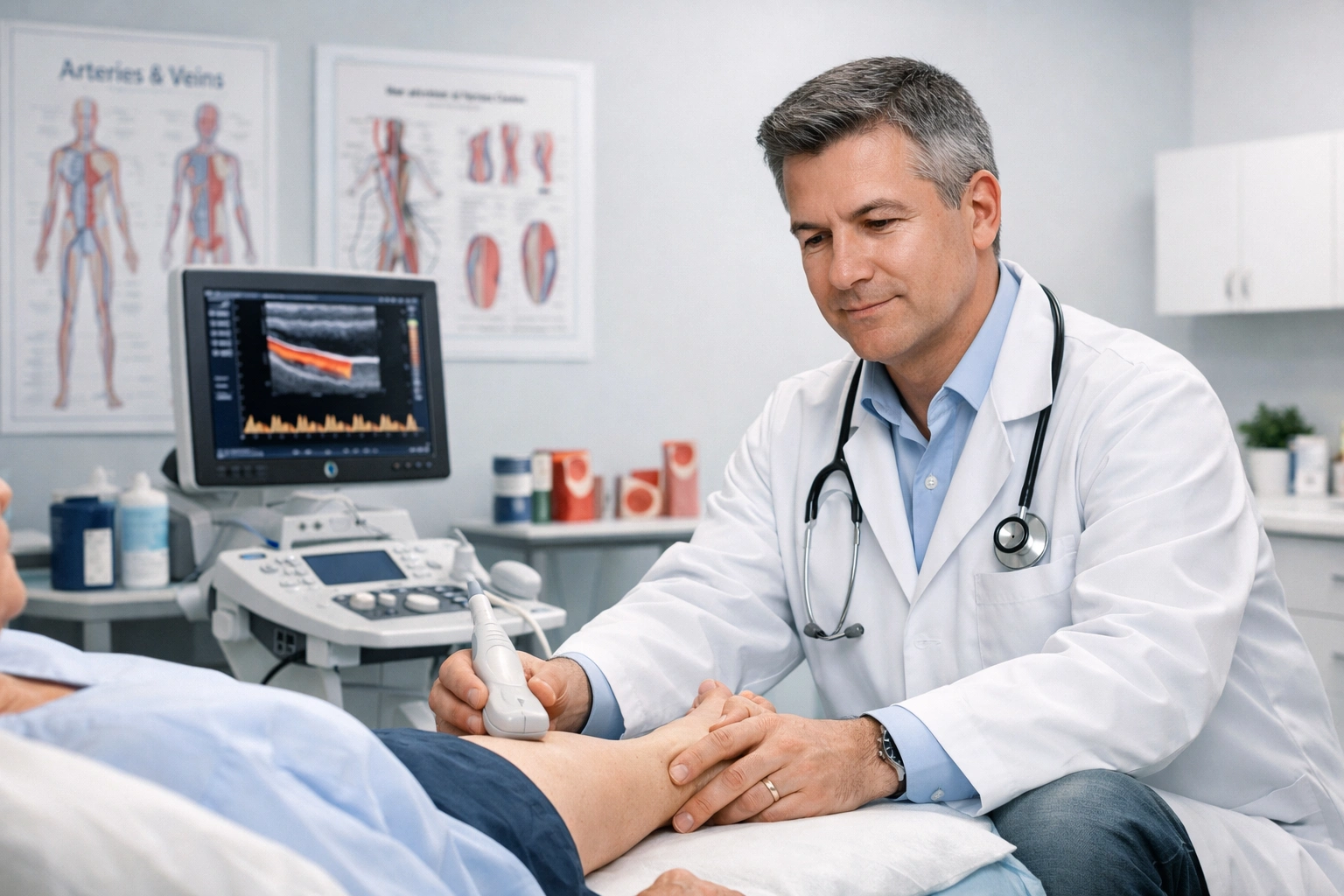
Advanced surgical care for vascular disorders including minimally invasive procedures for improved blood flow and recovery
Book Appointmentat VGM Multispecialty Hospital provides complete care for disorders of arteries, veins, and lymphatic vessels. Our team of expert vascular surgeons and specialists offers both advanced surgical interventions and minimally invasive, scar-free treatments, ensuring safe, effective, and timely management for chronic and emergency vascular conditions.
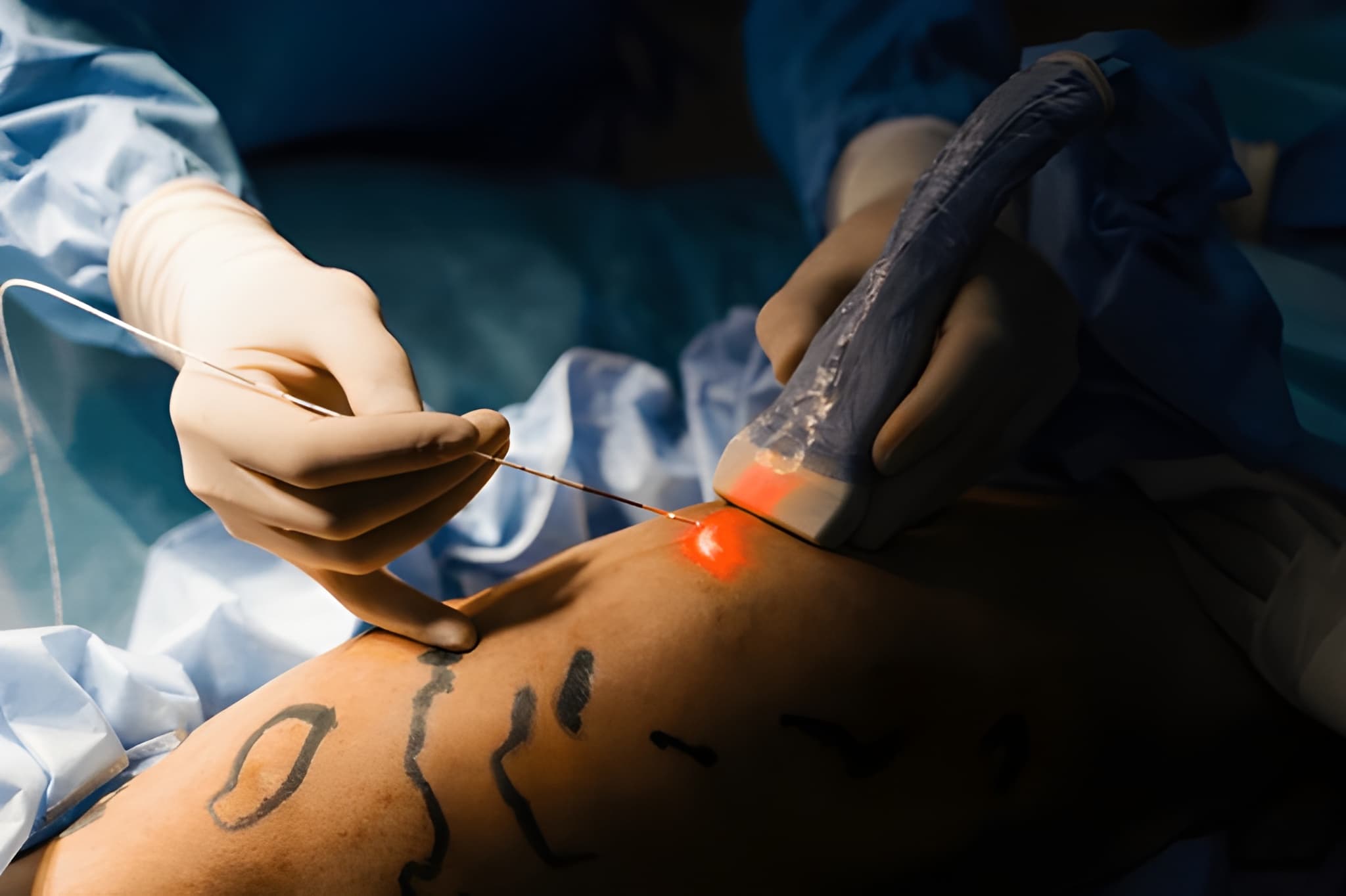
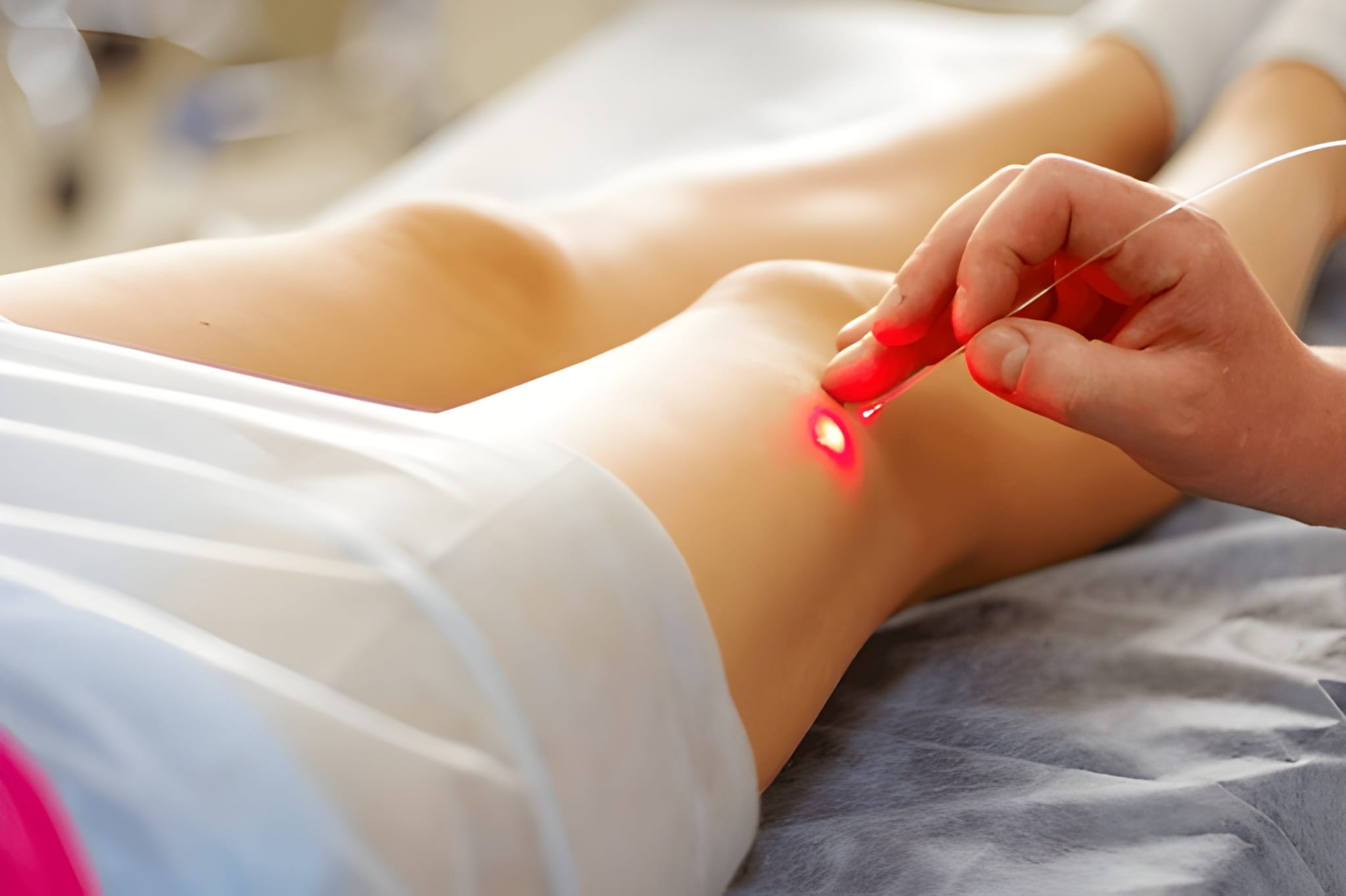
A minimally invasive laser procedure to close diseased veins without surgery or scars.
Non-thermal, painless adhesive therapy for varicose veins with quick recovery.
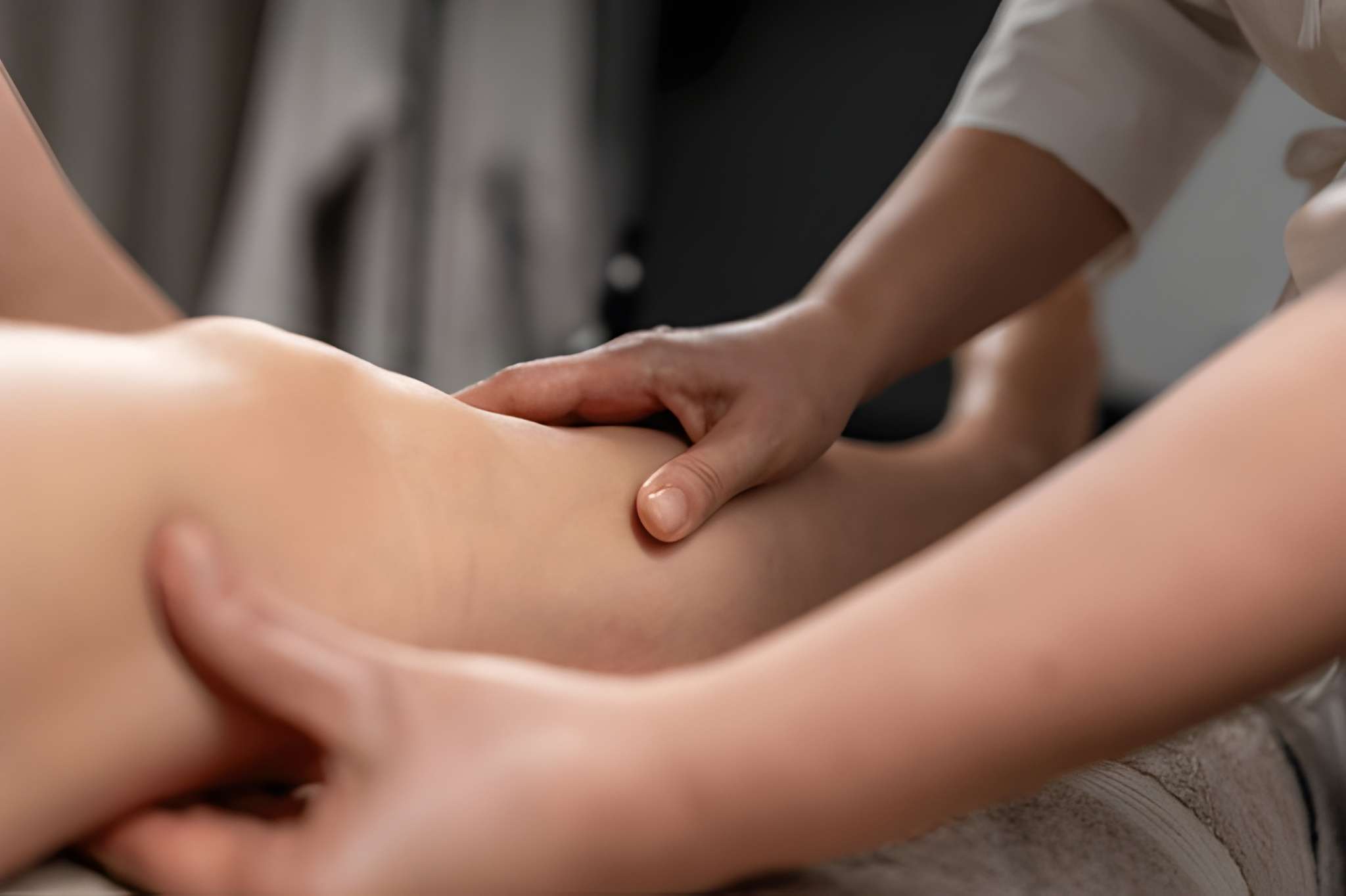
Comprehensive care including compression therapy, physiotherapy, and lifestyle guidance to reduce swelling and improve limb function.
Advanced treatment for chronic wounds, diabetic ulcers, and non-healing leg ulcers to promote faster and safe healing.
You should consult a vascular surgeon if you experience any vascular-related symptoms that affect blood circulation or vessel health.
Varicose veins
Non-healing leg wounds
leg pain with numbness
Dark/black toes or foot
Leg swelling
Blood clots
bulging artery
Diabetic foot wounds
Poor circulation in hands/legs
Rest pain in legs
Skilled in managing complex arterial and venous disorders.
From routine evaluations to emergency interventions and chronic wound management.
Immediate care for acute vascular emergencies such as limb ischemia, aneurysm rupture, or trauma-related injuries.
Coordinated care with cardiology, nephrology, radiology, and critical care teams.
Fully equipped operating rooms and strict infection control protocols.
Painless procedures like laser ablation and vein glue therapy.
Personalized treatment plans focused on comfort, safety, and faster recovery.
Schedule an appointment with our specialist doctors and take the first step toward better health today.
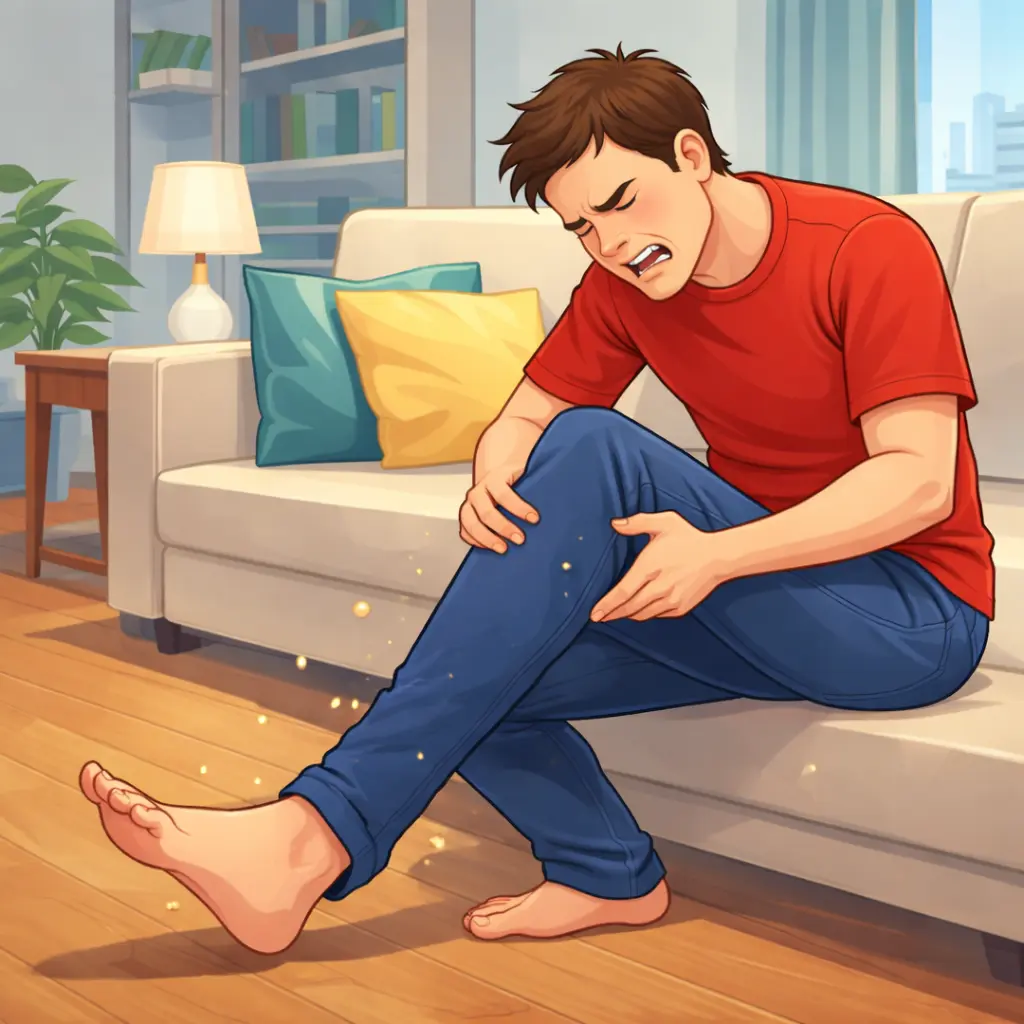
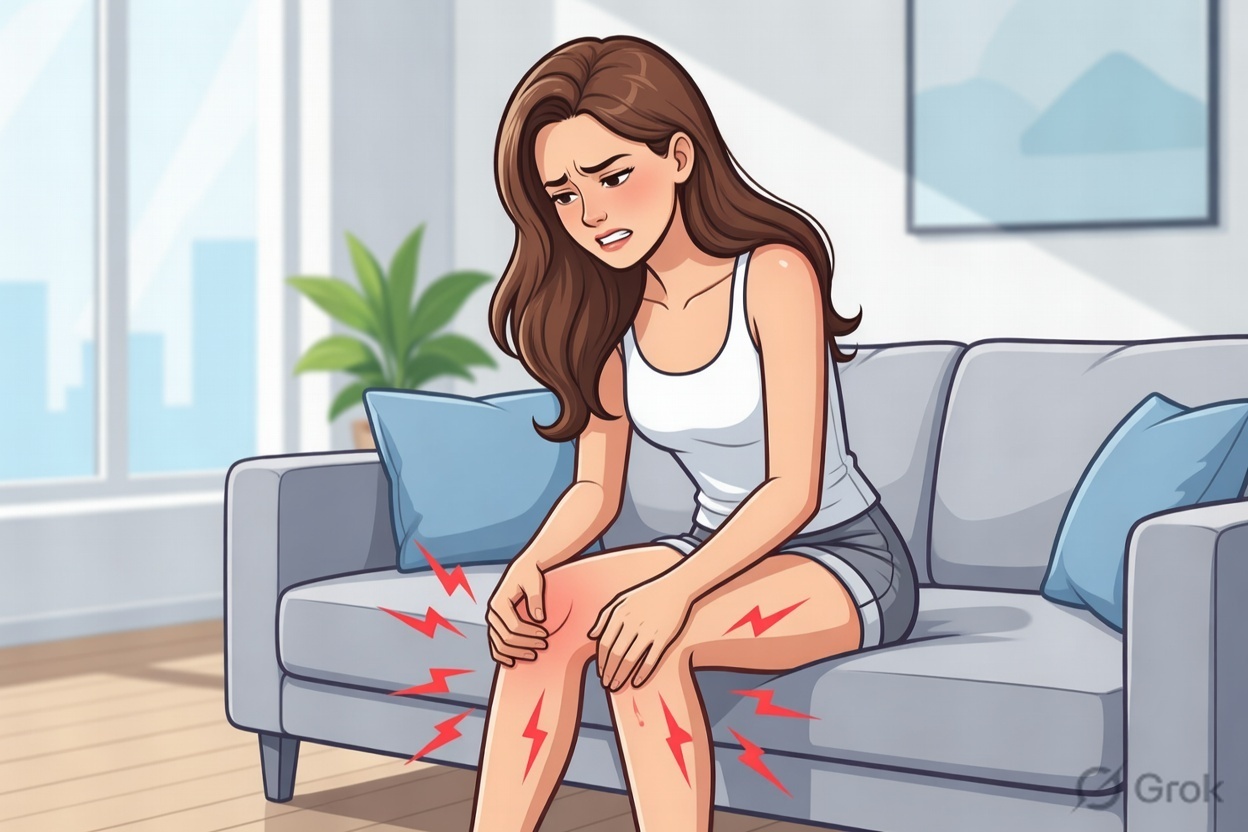
Leg pain while walking commonly occurs due to reduced blood flow to the leg muscles caused by narrowing or blockage of arteries, known as Peripheral Arterial Disease (PAD). The pain usually improves with rest and returns during physical activity because the muscles are not receiving enough oxygen-rich blood.
Persistent leg pain during walking should not be ignored, as it may indicate an underlying vascular condition affecting blood circulation. If untreated, the condition may progress and increase the risk of severe circulation problems, non-healing wounds, or tissue damage.
Yes. Many circulation-related conditions can initially be managed with medications, walking exercises, lifestyle modifications, diabetes control, smoking cessation, and dietary changes. Some patients may also benefit from minimally invasive vascular procedures if symptoms worsen.
You should seek vascular evaluation if the pain limits your walking distance, occurs even at rest, is associated with numbness or coldness, or if you notice wounds or discoloration in the legs or feet.
Yes. Appropriate vascular treatment can significantly improve blood circulation, reduce pain, increase walking distance, and improve overall mobility and quality of life.
Leg swelling may occur due to poor venous circulation, varicose veins, lymphatic disorders, prolonged standing, kidney disease, heart conditions, or reduced movement. The swelling may affect one or both legs depending on the underlying cause.
Sudden swelling, swelling associated with redness, pain, fever, breathlessness, or one-sided swelling should receive immediate medical attention as it may indicate a blood clot or serious circulation problem.
Yes. Chronic venous insufficiency and damaged vein valves can cause blood pooling in the legs, leading to persistent swelling, heaviness, discomfort, and skin changes over time.
Treatment depends on the underlying condition and may include compression stockings, medications, exercise, elevation of the legs, lifestyle changes, or minimally invasive vascular procedures.
Yes. Long-standing swelling can lead to skin thickening, infections, ulcers, discomfort, and difficulty walking if left untreated.
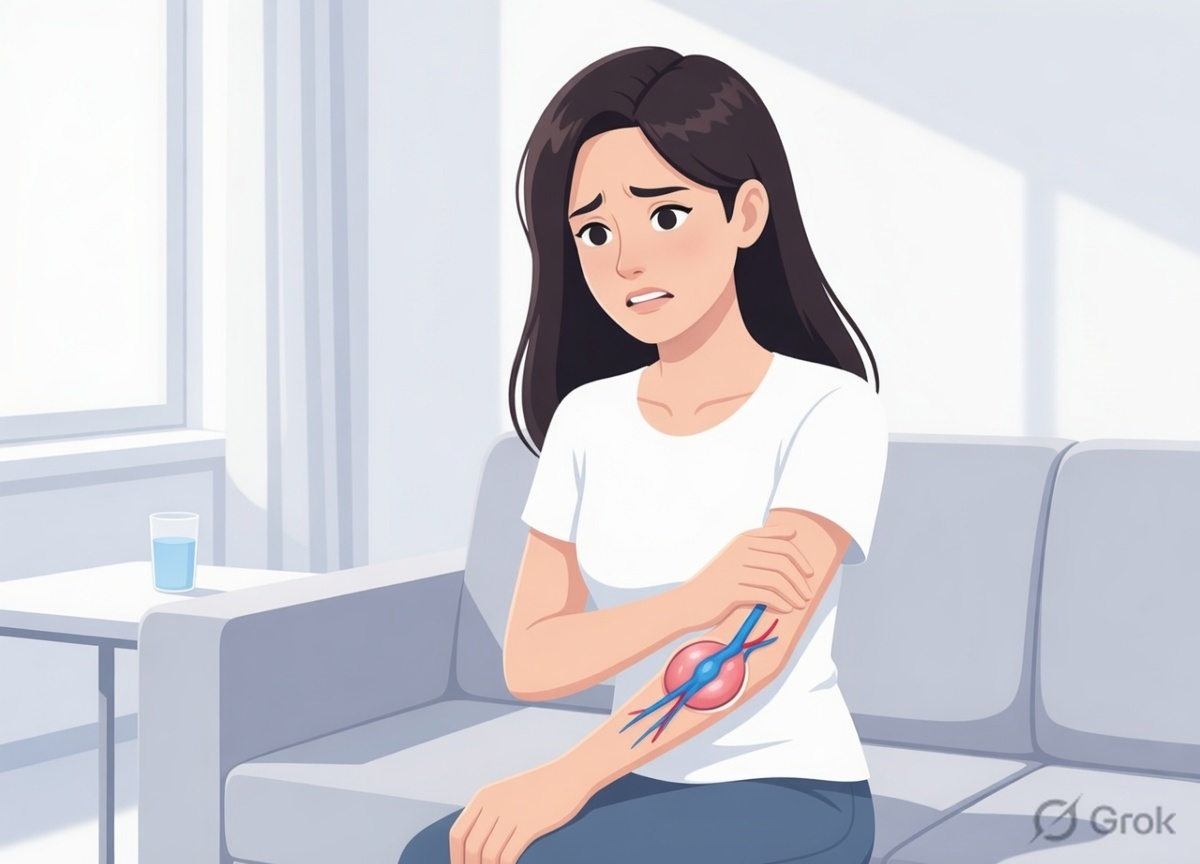
Varicose veins are enlarged, twisted veins that commonly appear in the legs due to weakened vein valves and poor blood circulation. They may appear blue, bulging, or rope-like beneath the skin.
Patients may experience leg heaviness, aching pain, swelling, itching, cramps, burning sensation, and visible enlarged veins, especially after prolonged standing.
No. While some patients seek treatment for cosmetic reasons, untreated varicose veins may lead to chronic pain, skin discoloration, bleeding, ulcers, and blood clot formation.
Treatment options include lifestyle modifications, compression stockings, laser therapy, sclerotherapy, radiofrequency ablation, and minimally invasive surgical procedures.
Recurrence may occur in some patients, especially without lifestyle changes or follow-up care. Maintaining healthy circulation habits helps reduce recurrence risk.
Poor blood circulation, diabetes, venous insufficiency, infection, pressure, and underlying vascular disease can delay wound healing and lead to chronic ulcers.
Yes. Chronic ulcers may become infected, worsen over time, and increase the risk of gangrene or tissue loss if not treated appropriately.
Any wound that does not improve within a few weeks, develops discharge, swelling, foul smell, or discoloration should receive medical evaluation promptly.
Treatment may include wound care, infection management, compression therapy, vascular procedures to improve blood flow, and advanced dressings or reconstructive support.
Yes. Restoring proper blood circulation is one of the most important factors in promoting wound healing and preventing recurrence.
Coldness in the hands or feet may occur due to reduced blood circulation caused by narrowed blood vessels or poor vascular flow. It may be more noticeable during cold weather or physical inactivity.
Persistent coldness, especially when associated with pain, numbness, skin discoloration, or delayed wound healing, may indicate an underlying vascular condition requiring medical evaluation.
Yes. Severe circulation problems may reduce oxygen supply to tissues, increasing the risk of ulcers, infections, tissue damage, or gangrene.
Vascular specialists may use Doppler ultrasound, vascular scans, ankle-brachial index testing, angiography, and circulation studies to assess blood flow.
Yes. Lifestyle modifications, medications, minimally invasive vascular procedures, and surgery can improve circulation and reduce symptoms in many patients.
Yes. Poor blood circulation caused by narrowed or blocked arteries may reduce oxygen supply to nerves and muscles, resulting in numbness, tingling sensation, weakness, or heaviness in the limbs.
Sudden numbness, severe weakness, coldness, discoloration, or severe pain in the limbs requires immediate medical attention, as it may indicate an acute vascular blockage or circulation emergency.
Yes. Reduced blood flow to muscles may cause weakness, fatigue, pain during walking, reduced stamina, and difficulty performing daily activities.
Treatment focuses on improving blood circulation through medications, lifestyle modifications, exercise therapy, angioplasty, stenting, or other vascular interventions depending on the severity of the condition.
Yes. Many patients experience significant improvement in strength, mobility, and sensation once blood circulation is restored and underlying vascular problems are treated.
Skin discoloration may occur due to poor blood circulation, chronic venous insufficiency, vascular blockage, blood pooling, or long-standing vein disease affecting oxygen supply to the tissues.
Yes. Persistent darkening, redness, bluish discoloration, or blackening of the skin may indicate poor circulation and should be medically evaluated.
Yes. Reduced blood flow can weaken the skin, delay healing, and increase the risk of ulcers, infections, and tissue damage.
Vascular specialists may perform Doppler ultrasound, vascular scans, angiography, or circulation studies to assess blood flow and identify blockages.
Improved circulation and appropriate vascular treatment may help reduce discoloration, improve skin health, and prevent further complications.
Sudden severe leg pain may occur due to an acute blockage in blood flow, blood clots, vascular injury, or severe narrowing of arteries supplying the legs.
Yes. Sudden severe pain associated with coldness, numbness, pale skin, or inability to move the leg requires immediate medical attention to prevent tissue damage.
Yes. Blood clots can obstruct circulation and lead to swelling, severe pain, redness, and potentially dangerous complications if untreated.
Treatment may include blood-thinning medications, clot removal procedures, angioplasty, stenting, thrombolysis, or emergency vascular surgery depending on the condition.
Yes. Delay in treatment may result in tissue damage, infection, gangrene, or permanent limb-threatening complications.
Enlarged or painful veins are commonly caused by weakened vein valves, poor circulation, inflammation, or blood clot formation within the veins.
Yes. Untreated vein disorders may progress and lead to pain, swelling, skin changes, ulcers, or blood clot-related complications.
Not always. Painful veins may also indicate thrombophlebitis, deep vein problems, or other vascular conditions that require evaluation.
Treatment may include compression therapy, medications, minimally invasive laser procedures, sclerotherapy, radiofrequency ablation, or surgical management.
Yes. Appropriate vascular treatment can significantly improve circulation, reduce discomfort, and improve the appearance of enlarged veins.
Diabetes can damage nerves and blood vessels, reducing sensation and blood circulation to the feet. This increases the risk of wounds, infection, and delayed healing.
Yes. Untreated diabetic wounds may worsen rapidly, leading to infection, tissue damage, gangrene, and possible amputation.
Any wound that is non-healing, swollen, painful, foul-smelling, discolored, or associated with discharge should receive immediate medical evaluation.
Yes. Restoring blood circulation through vascular procedures helps improve oxygen supply, promote healing, and reduce complications.
Good diabetes control, proper foot hygiene, regular foot examination, comfortable footwear, and early treatment of wounds are important preventive measures.
Gangrene occurs when blood supply to tissues becomes severely reduced or blocked, leading to tissue death and black discoloration.
Yes. Blackening of the toes or feet is a serious warning sign that requires immediate vascular and medical evaluation.
If diagnosed early, restoring blood circulation and controlling infection may help save affected tissues in some patients.
Treatment may include antibiotics, wound care, vascular procedures, removal of dead tissue, or surgical intervention depending on severity.
Controlling diabetes, avoiding smoking, managing circulation problems, and seeking early treatment for wounds help reduce the risk of gangrene.
Poor venous circulation and vein valve dysfunction can cause blood pooling in the legs, leading to heaviness, fatigue, swelling, and discomfort after prolonged standing.
Yes. Chronic venous insufficiency and varicose veins are common causes of heaviness and tiredness in the legs.
Yes. Standing for long durations increases pressure within the leg veins and may worsen swelling, pain, and circulation-related symptoms.
Compression stockings, regular exercise, leg elevation, weight management, and minimally invasive vascular treatments help improve symptoms.
Yes. Appropriate vascular care can improve blood circulation, reduce discomfort, and enhance mobility and overall quality of life.