2100, VGM Hospital bus stop, Trichy Road,
Singanallur, Coimbatore, Tamil Nadu, India.
Advanced heart care including diagnosis, intervention, and management of cardiovascular conditions for a healthy heart.
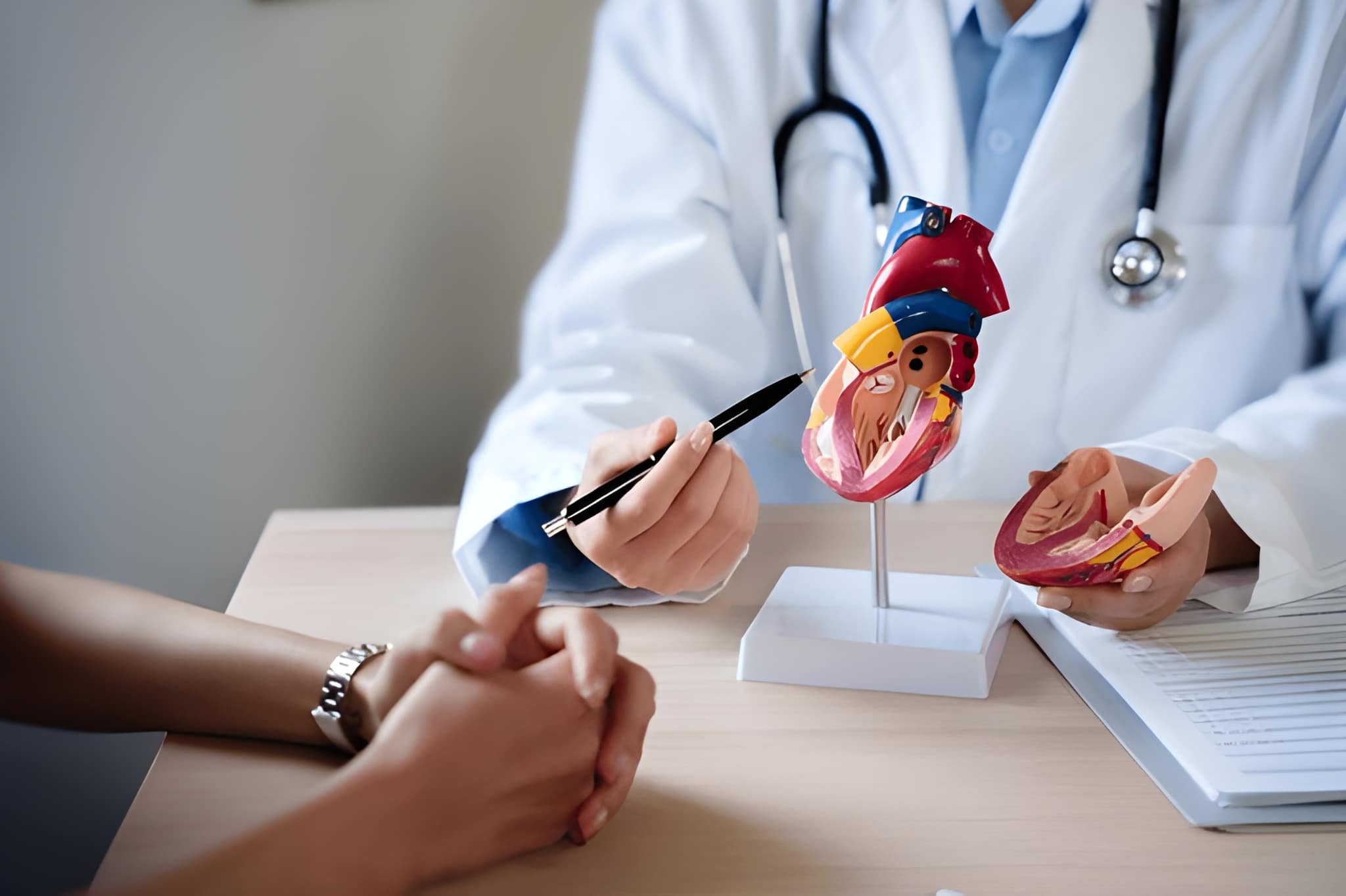
Book AppointmentAt VGM Multispecialty Hospital, we provide advanced care for a wide range of heart and vascular conditions, from common concerns like chest pain, hypertension, and palpitations to complex issues such as coronary artery disease, heart failure, and rhythm disorders. Our experienced cardiologists use modern diagnostic technologies and evidence-based treatments to ensure accurate evaluation, effective management, and long-term heart health.
You should consult a cardiologist if you experience any of these heart-related symptoms or risk factors.
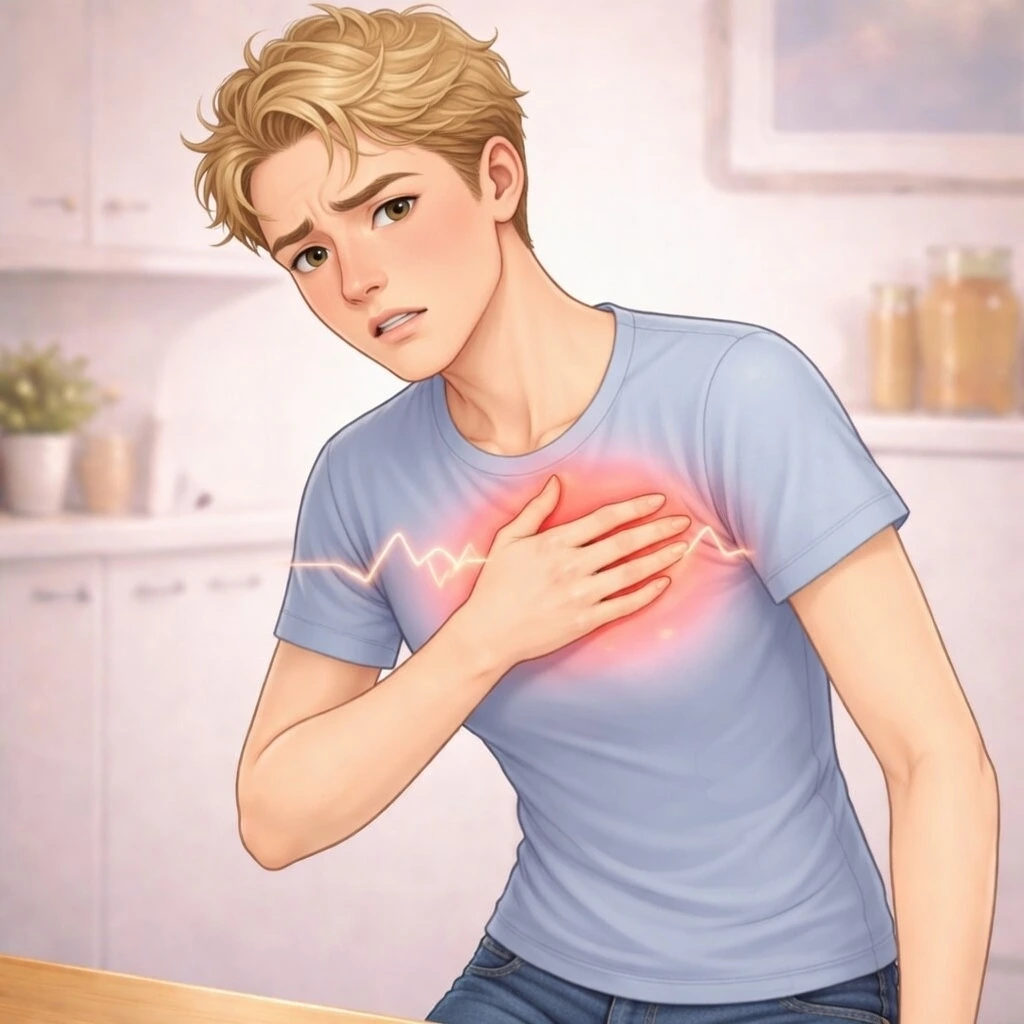
Chest pain
Shortness of breath
Palpitations (irregular or fast heartbeat)
Fainting or dizziness
Swelling in legs, ankles, or feet
Persistent fatigue
Sudden weight gain
Pain in neck, jaw, shoulder, or arm
Rapid or irregular pulse
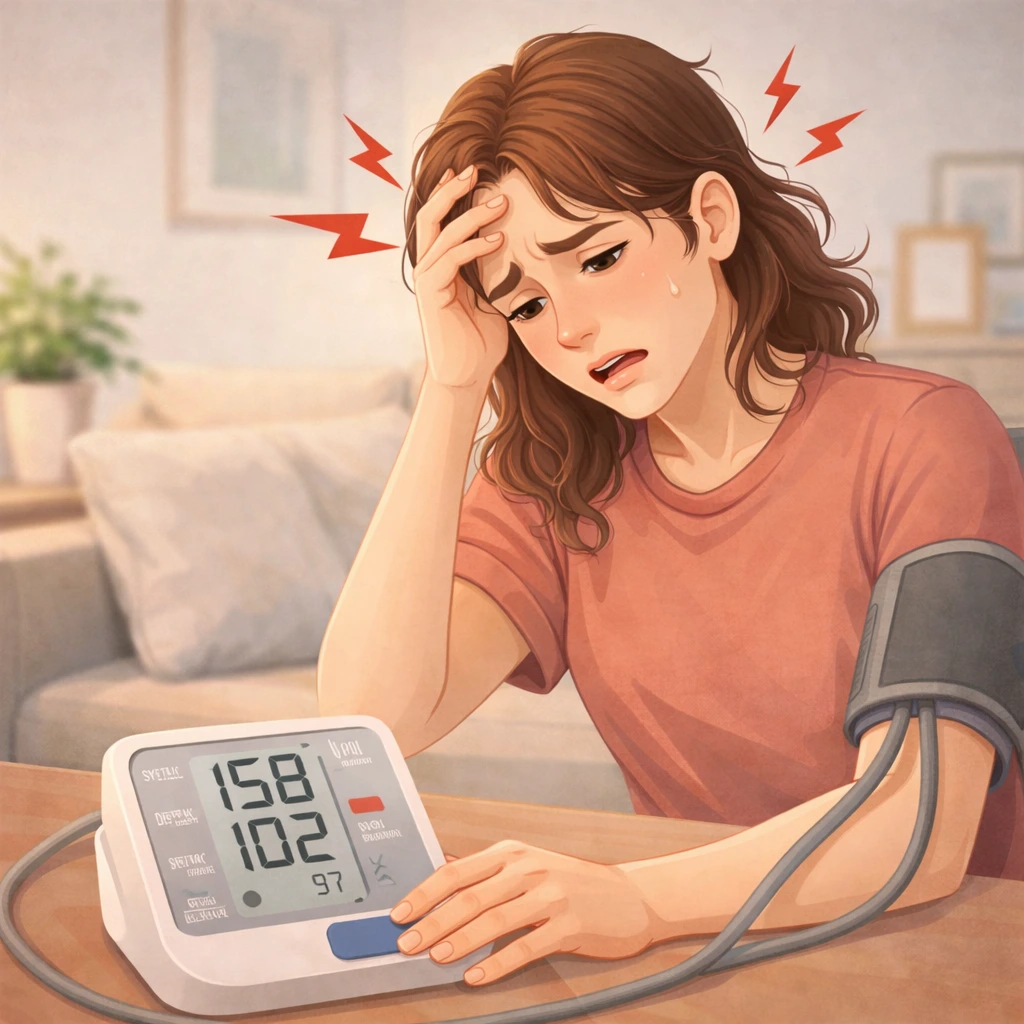
High blood pressure
Family history of heart disease
Extreme tiredness
High Cholesterol
History of Diabetes
VGM Hospital offers comprehensive cardiology care with expert specialists and advanced cardiac facilities.
Specialized training in prevention, diagnosis, and treatment of heart diseases with years of experience.
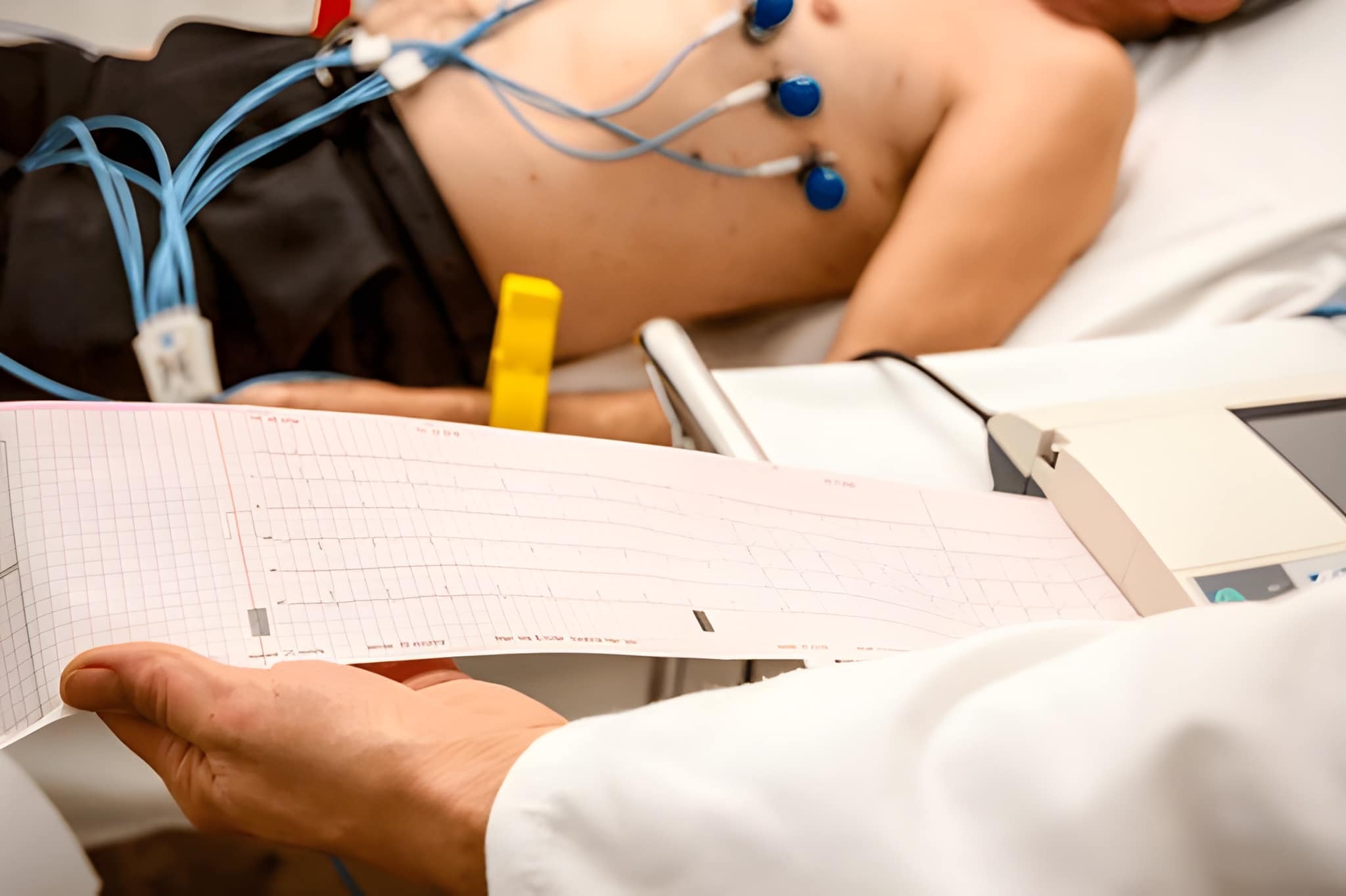
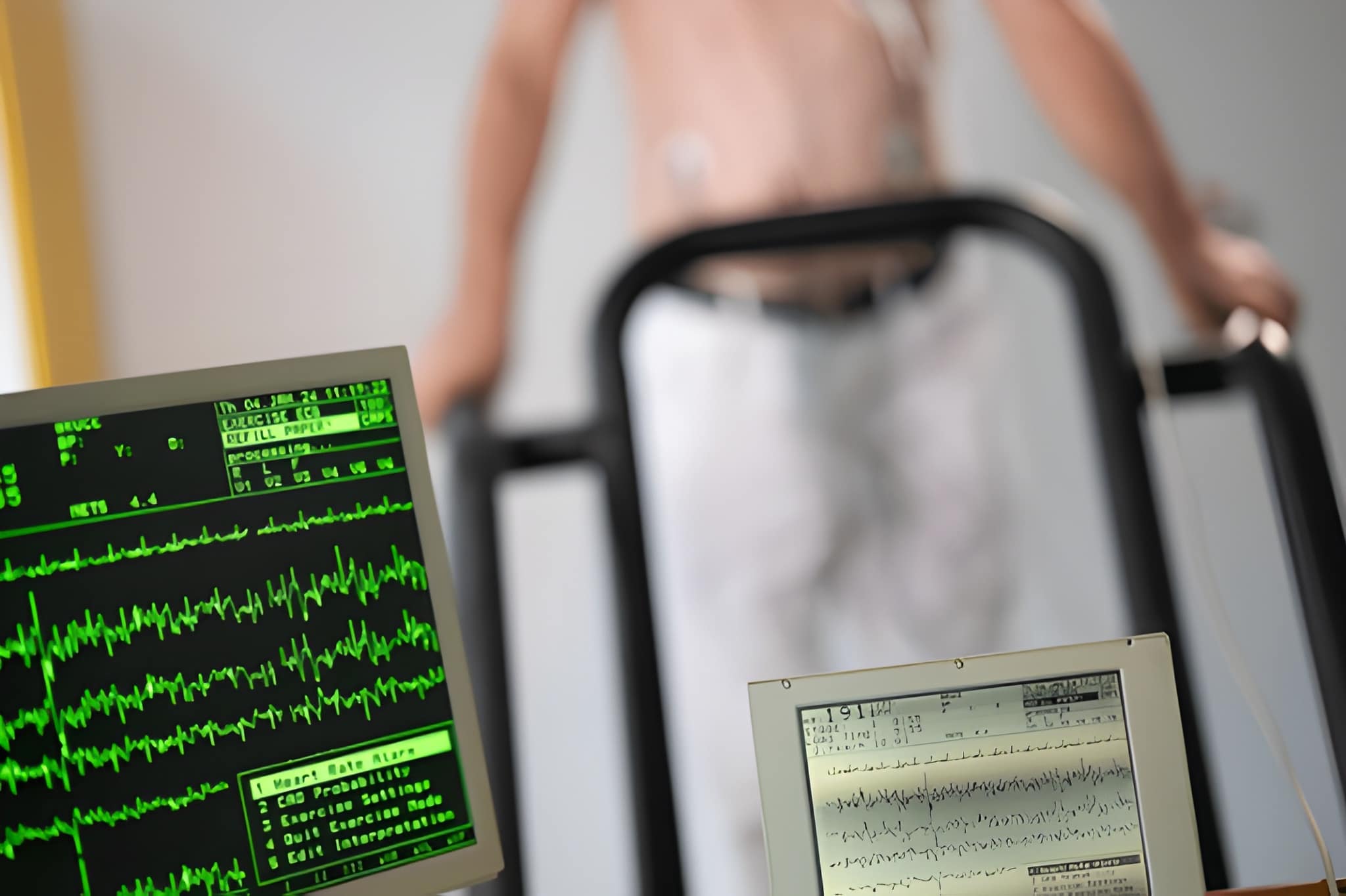
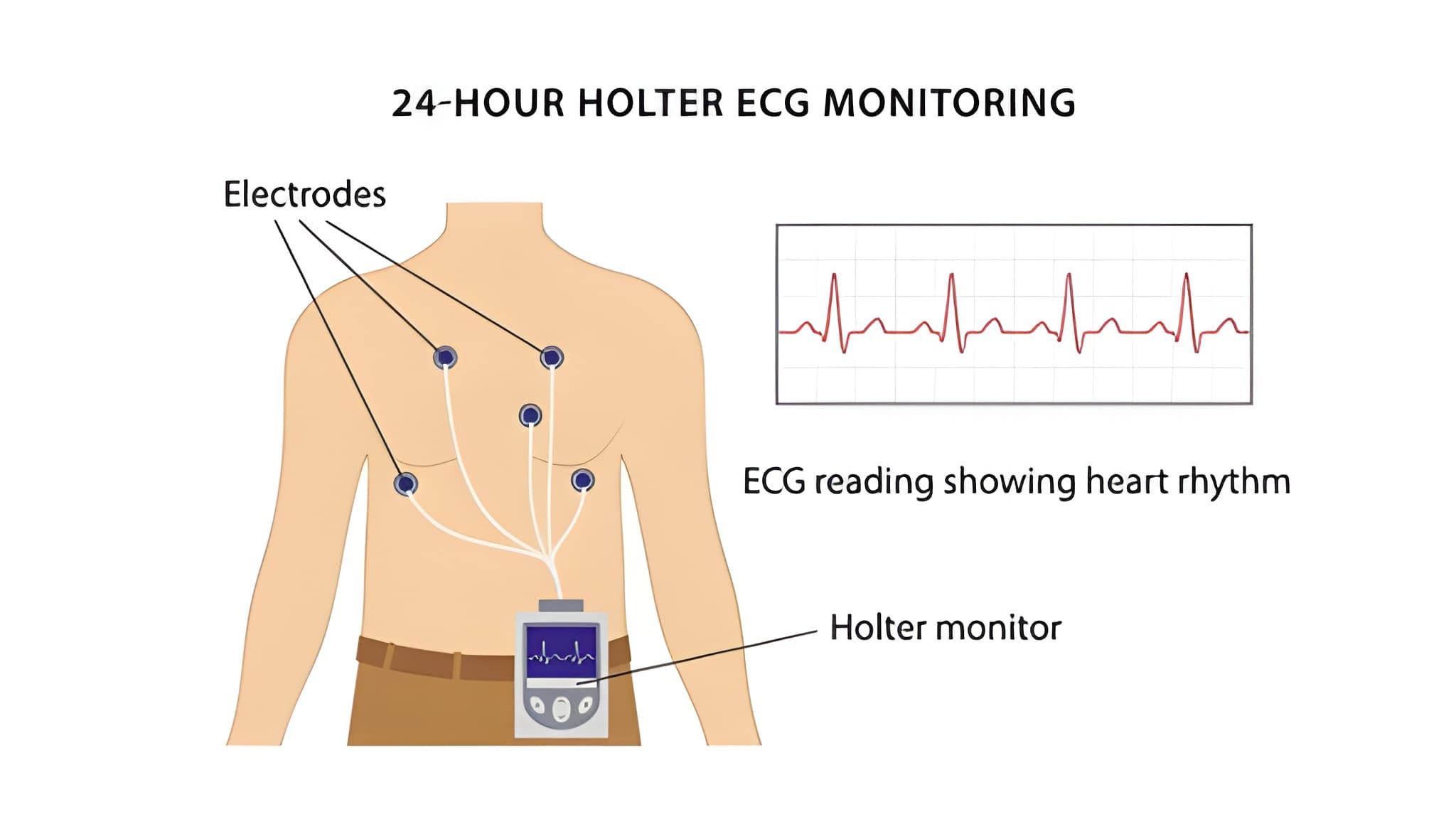
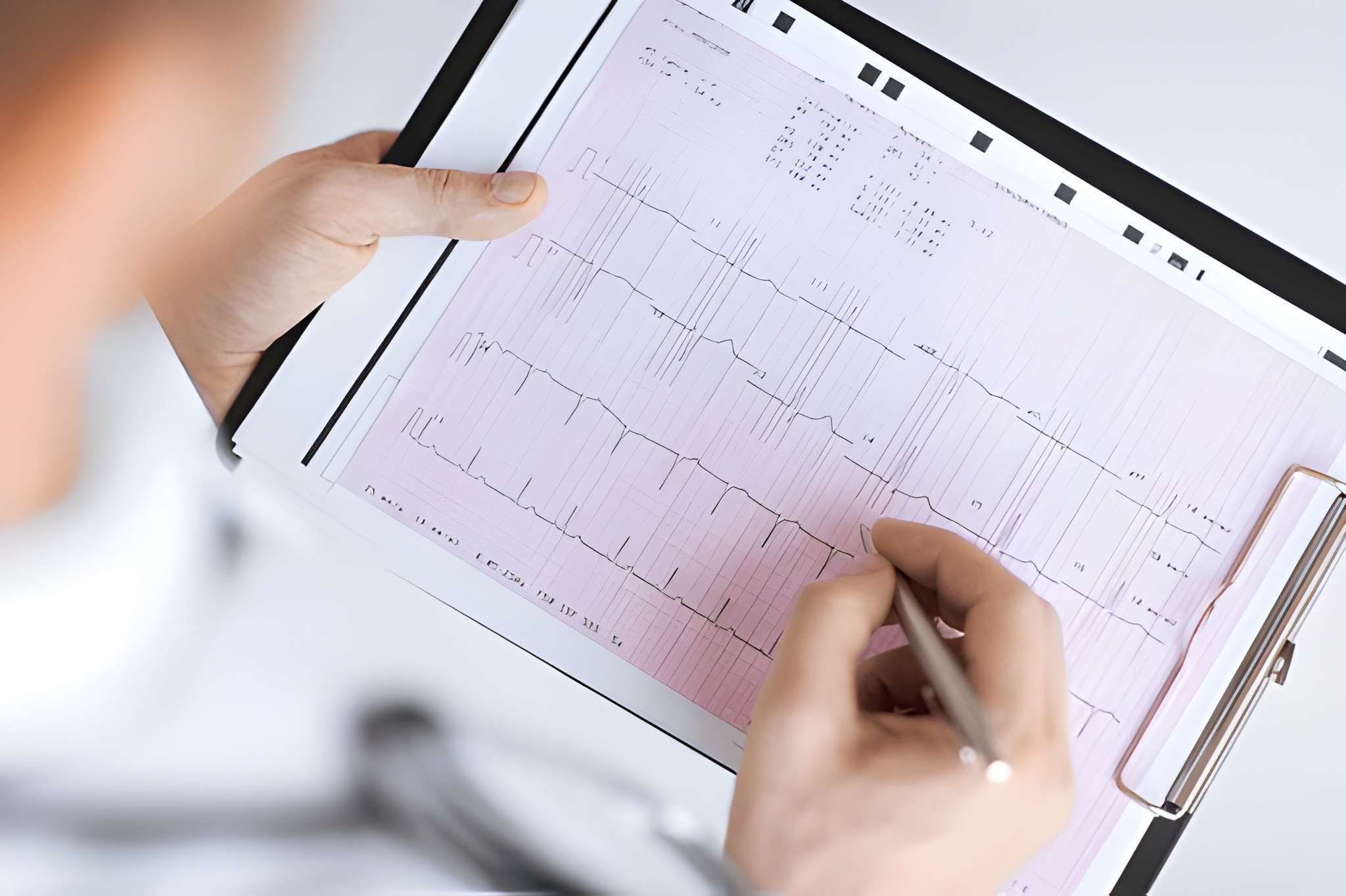
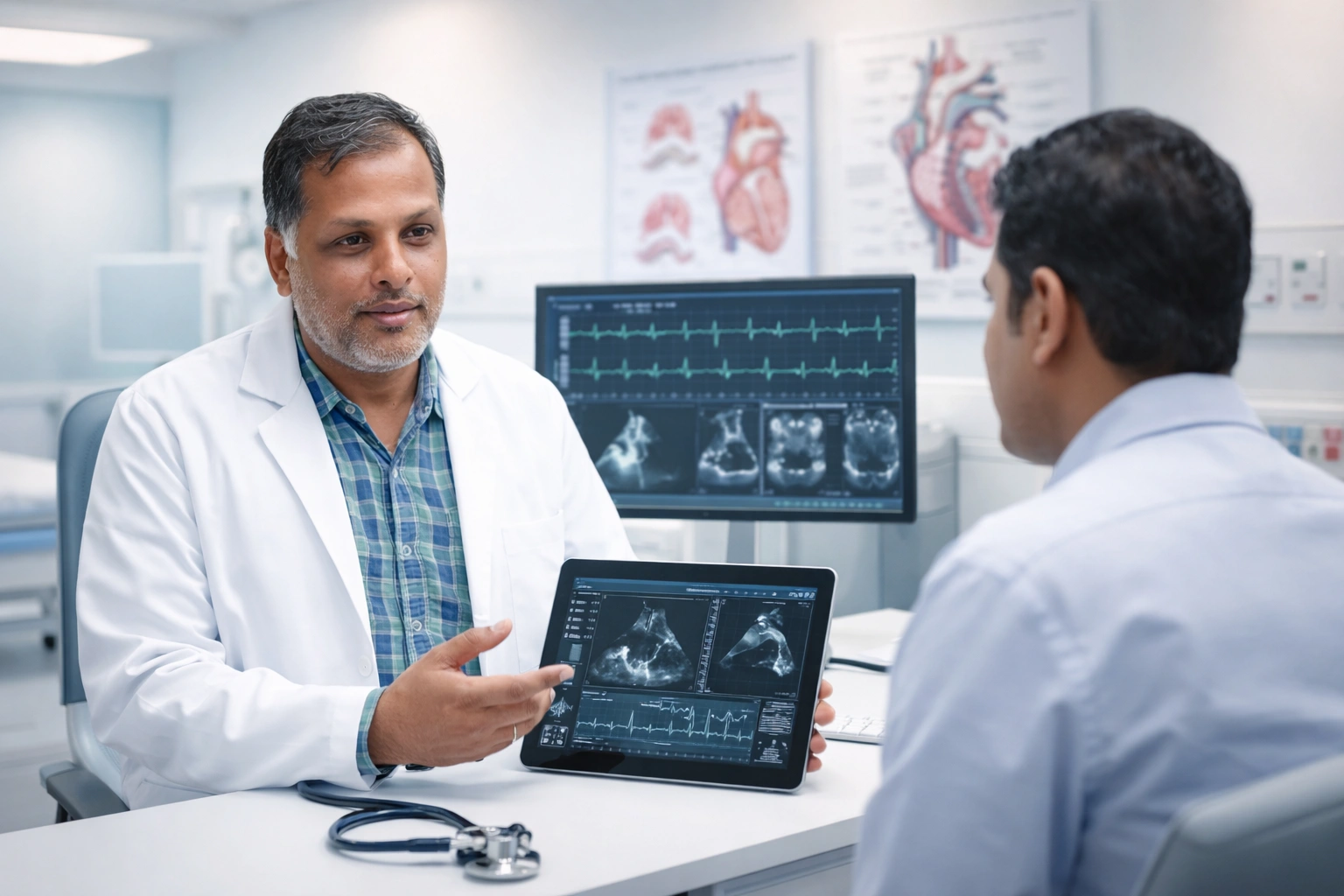
Advanced ECG, Echocardiography, Stress Testing, and Holter Monitoring for precise cardiac assessment.
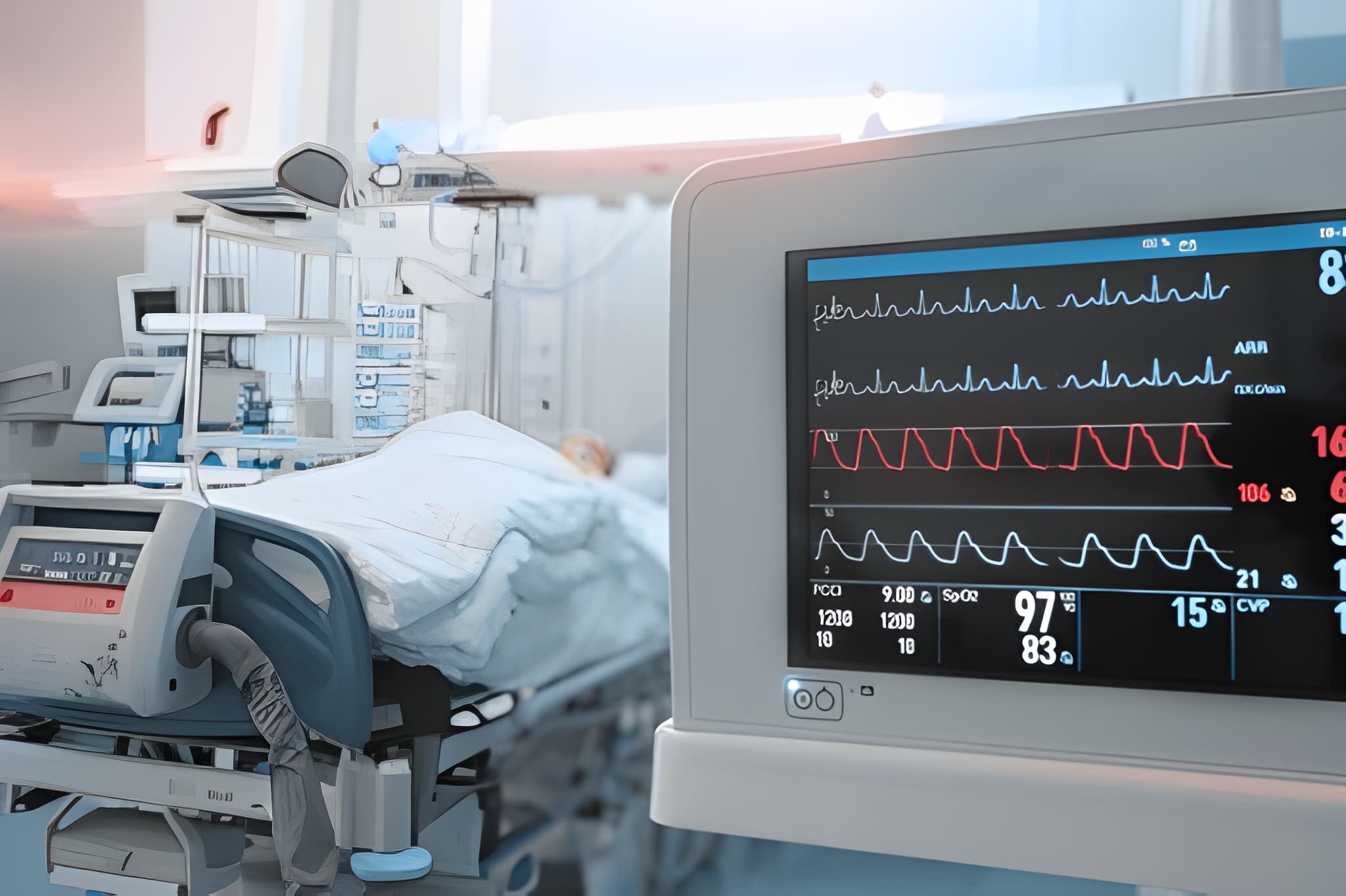
24/7 emergency and post-procedural cardiac management with advanced monitoring systems.
Customized treatment approaches designed to meet each patient's cardiac condition and lifestyle needs.
Advanced cardiac procedures ensuring quicker recovery and better long-term outcomes for patients.
From early screening to advanced interventional and preventive cardiology services under one roof.
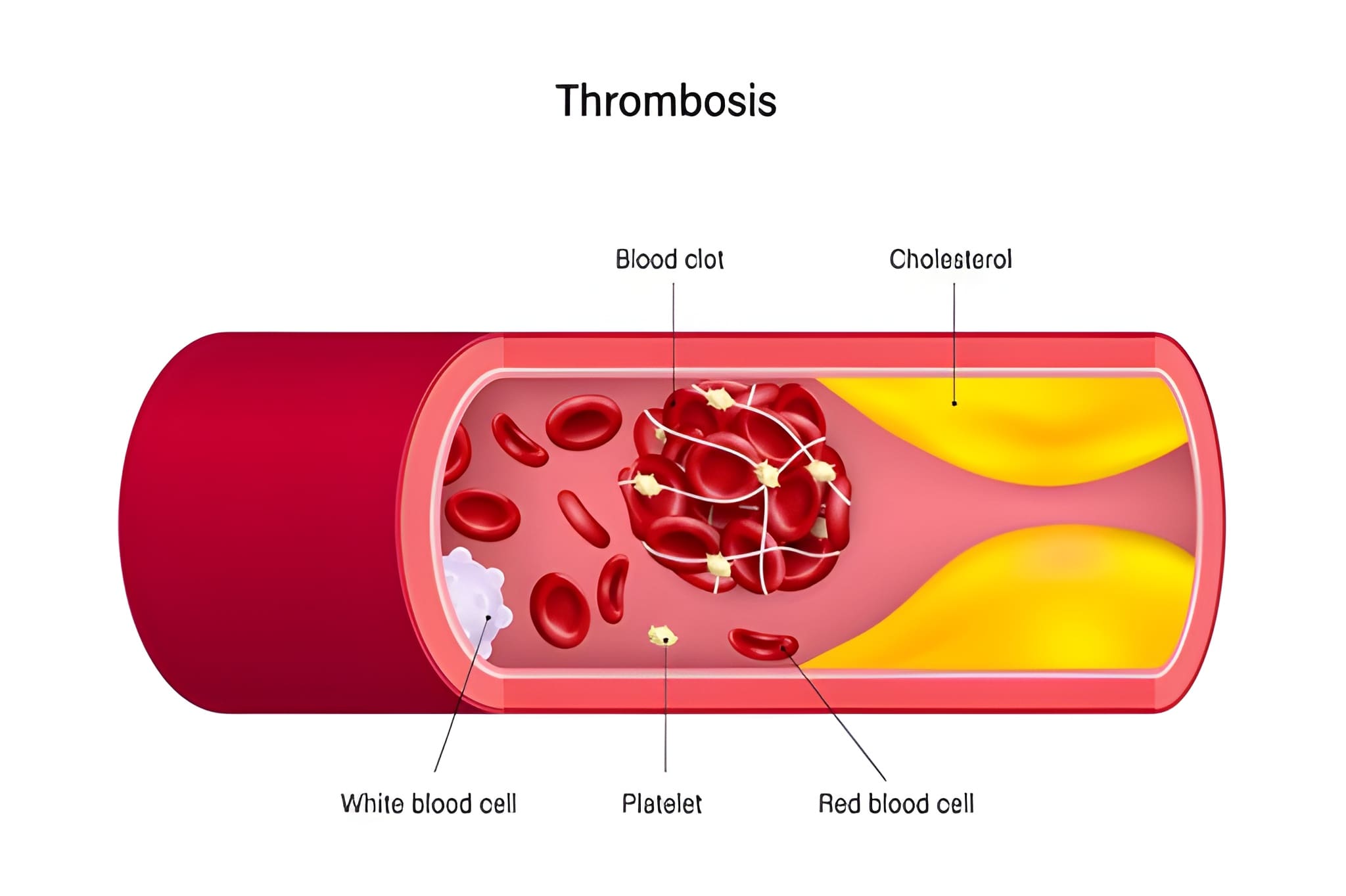
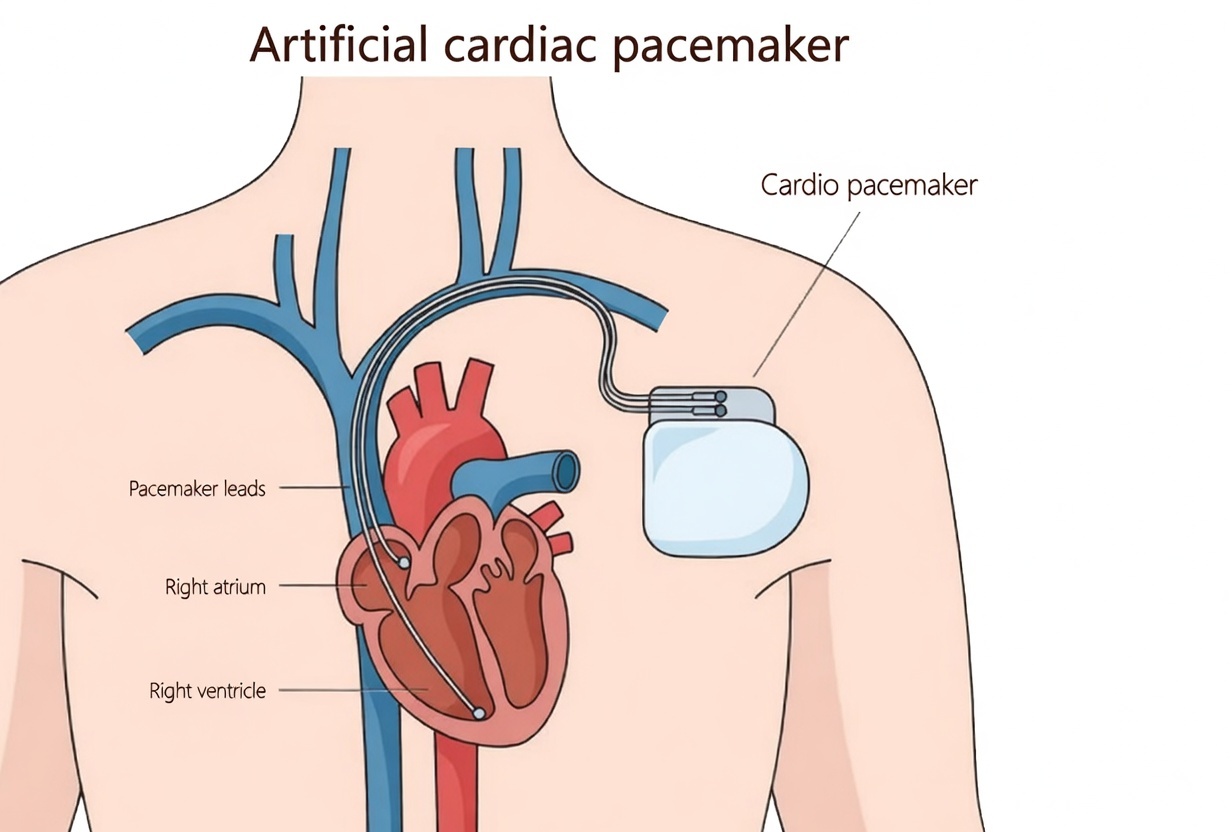
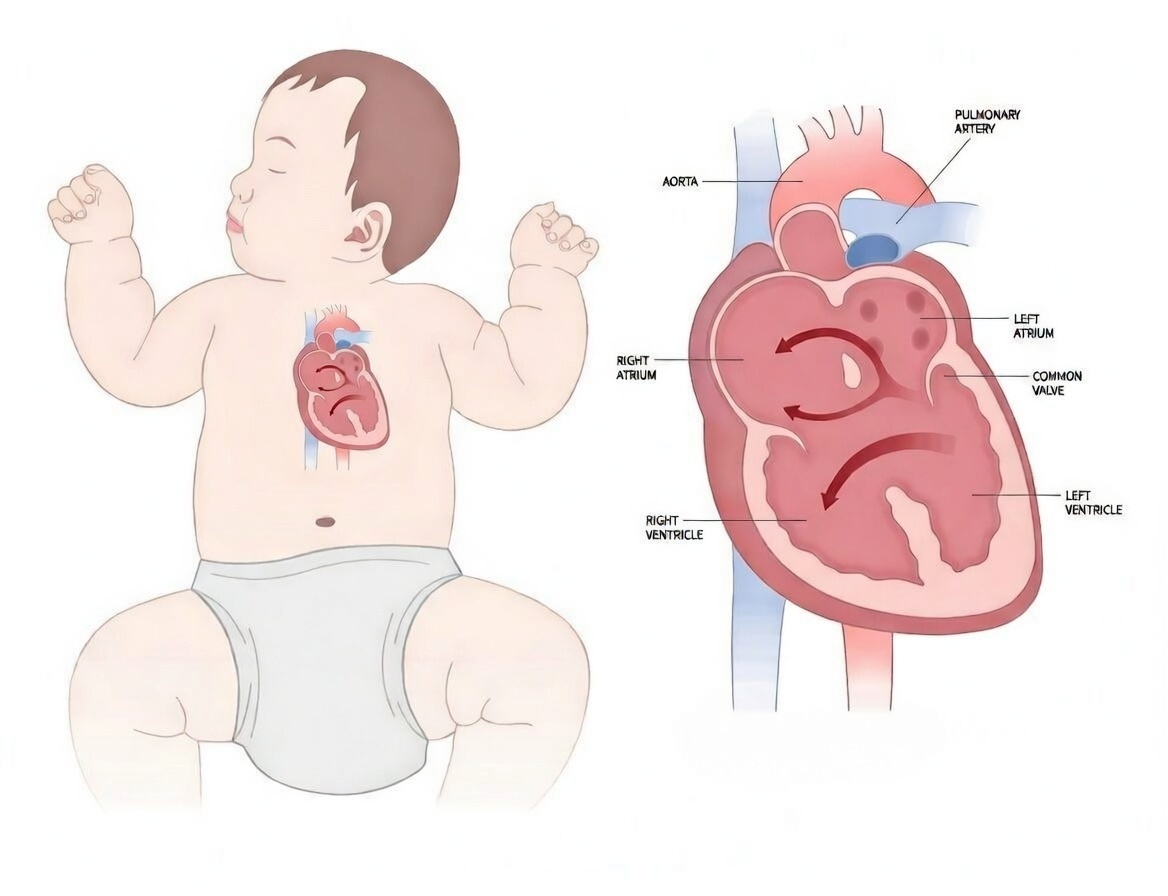
Specialized programs for Congenital Heart Disease, Thrombolysis, and Pacemaker Implantation with expert care.
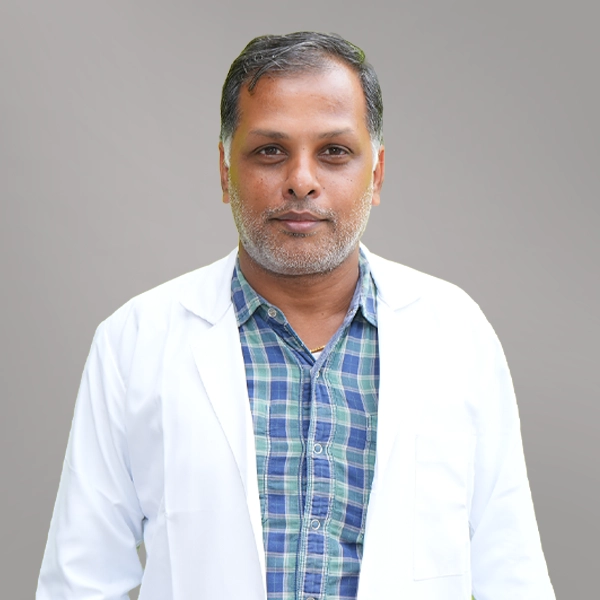
MD, DM Cardio
MD, DM Cardio
Schedule an appointment with our specialist doctors and take the first step toward better health today.
Cardiology is the branch of medicine that deals with the diagnosis, treatment, and prevention of diseases related to the heart and blood vessels.
A cardiologist specializes in identifying and managing heart conditions such as heart attacks, hypertension, arrhythmias, heart failure, and other cardiovascular disorders.
You should consult a cardiologist if you experience chest pain, shortness of breath, palpitations, dizziness, unexplained fatigue, or have a family history of heart disease.
Common conditions include coronary artery disease, heart failure, arrhythmia, high blood pressure, valve diseases, and congenital heart defects.
Symptoms include chest pain or pressure, pain radiating to the arm, neck, or jaw, sweating, shortness of breath, and nausea. Immediate medical attention is crucial.
Common tests include ECG, Echocardiogram, Treadmill Test (TMT), Holter monitoring, CT Angiography, and Cardiac Catheterization.
Maintain a healthy diet, exercise regularly, avoid smoking and alcohol, manage stress, control blood pressure and sugar, and go for regular health checkups.
Hypertension is a condition where the blood pressure in your arteries remains consistently high, increasing the risk of heart attack, stroke, and kidney disease.
Cholesterol is a fatty substance in the blood. High levels of bad cholesterol can cause plaque buildup in arteries, leading to heart disease and stroke.
Arrhythmias are irregular heartbeats that may be too fast, too slow, or uneven. They can cause palpitations, fainting, or in severe cases, cardiac arrest.
An angiogram is an imaging test that uses dye and X-rays to view blood flow through the arteries and detect blockages or narrowing.
Treatment options include medications, lifestyle changes, angioplasty, stent placement, pacemaker implantation, or bypass surgery depending on the condition.
Yes. Leading a heart-healthy lifestyle, regular exercise, balanced diet, and routine heart checkups greatly reduce the risk of developing heart problems.
Eat more fruits, vegetables, and whole grains; maintain a healthy weight; manage stress; get enough sleep; and avoid tobacco and excessive alcohol.
Yes. The Cardiology Department provides 24/7 emergency cardiac care, advanced diagnostic facilities, interventional cardiology, and comprehensive heart health management.