2100, VGM Hospital bus stop, Trichy Road,
Singanallur, Coimbatore, Tamil Nadu, India.

Expert anesthesia care for safe and comfortable surgical and procedural experiences, ensuring patient safety at every step.
Book Appointment
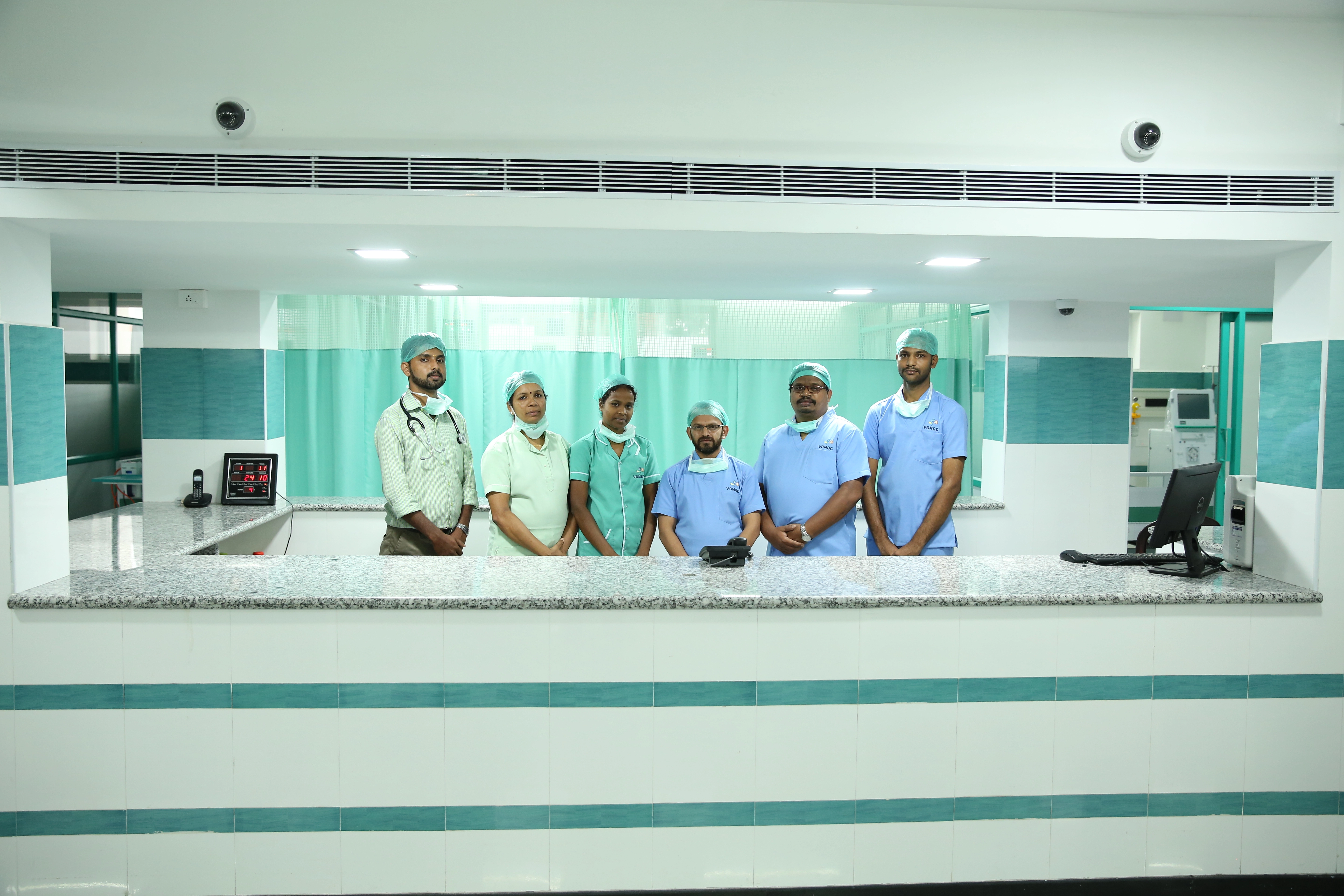
At VGM Multispecialty Hospital, the Department of Anesthesia & Intensive Care plays a pivotal role in ensuring patient safety, comfort, and recovery — both during surgeries and in life-threatening critical care situations. Our team of highly skilled anesthesiologists and intensivists provides round-the-clock support for surgical, trauma, liver, and medical emergencies, combining expertise with compassion in every aspect of care.
We specialize in the management of critically ill patients, ensuring meticulous monitoring, advanced organ support, and rapid intervention, guided by international critical care standards.
Safe, effective, and individualized anesthesia management for all surgical specialties — from minor day-care procedures to complex multi-organ surgeries.
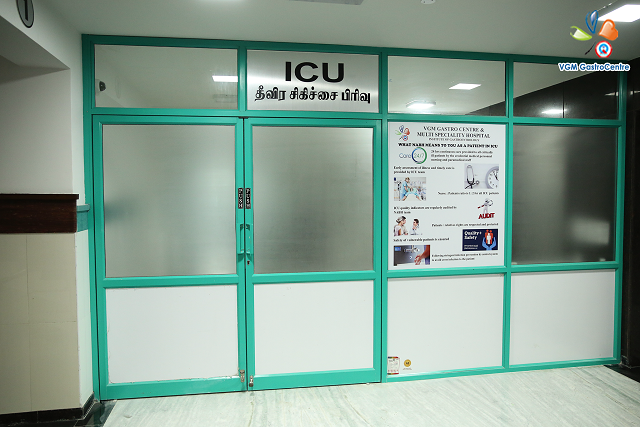
Comprehensive management of critically ill patients with 24×7 coverage by trained intensivists and critical care nurses.
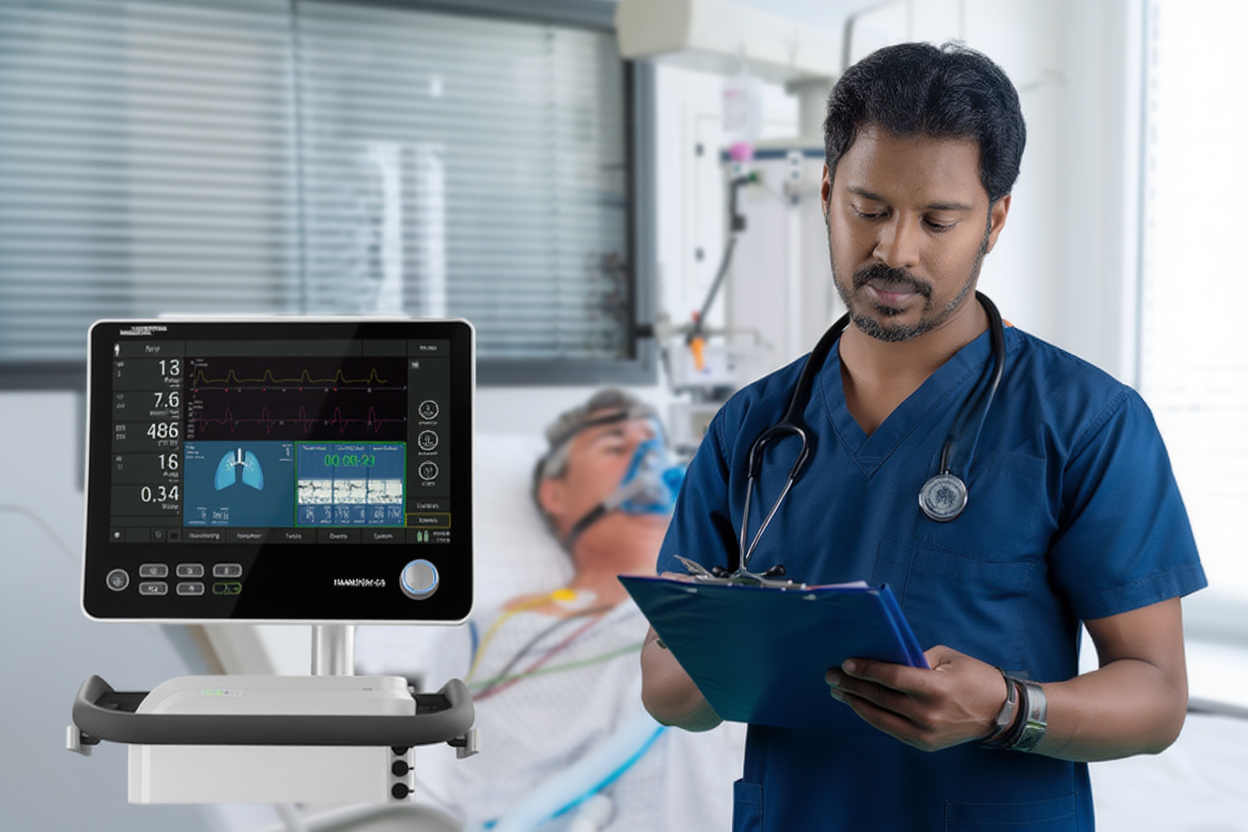
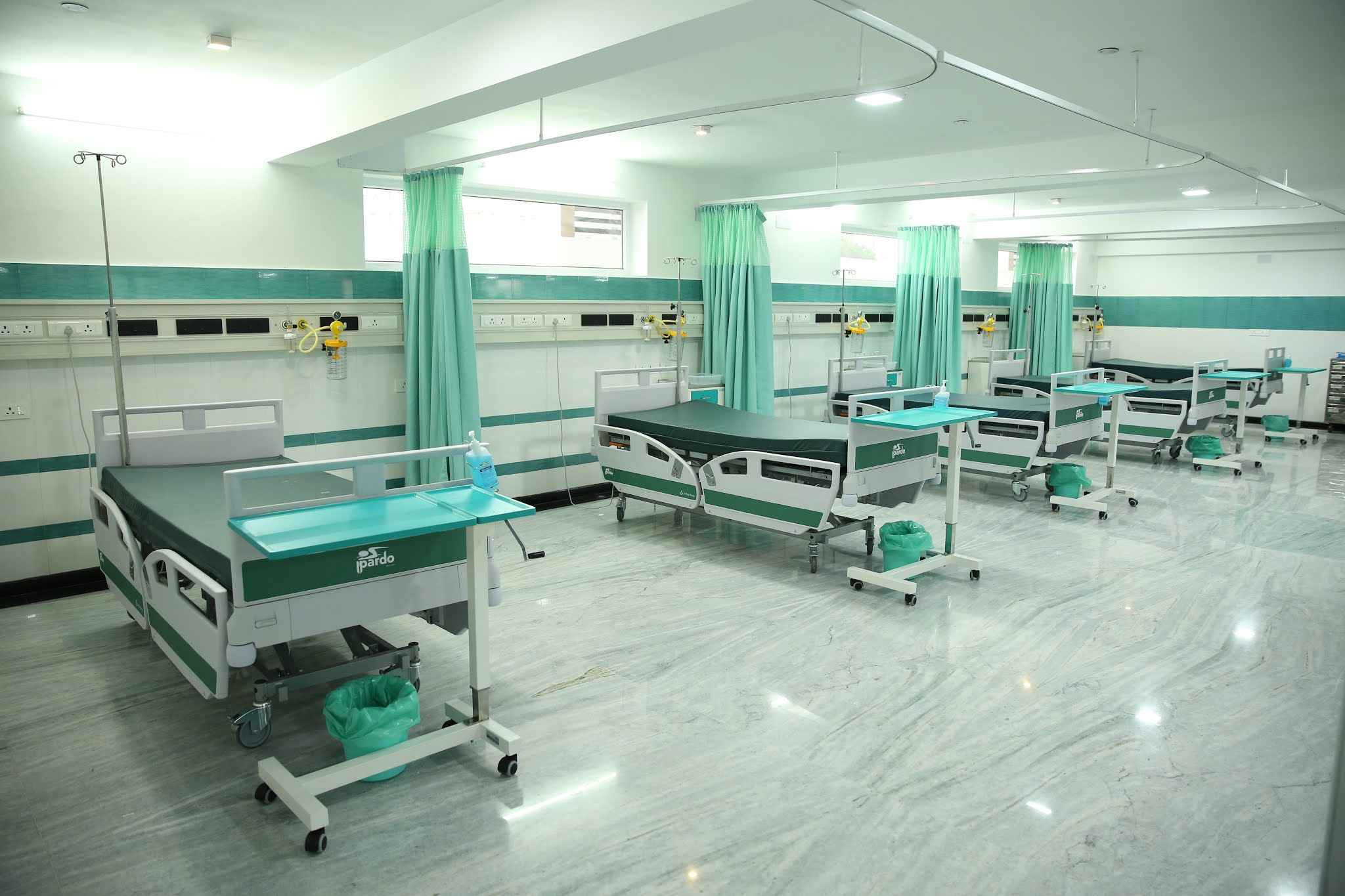
Each ICU bed is equipped with modern ventilators, infusion pumps, and advanced hemodynamic monitoring systems to ensure continuous patient safety.
Comprehensive acute and chronic pain management techniques for pre-operative, post-operative, and non-surgical conditions.
Advanced ventilator support for respiratory failure, including invasive and non-invasive modes, weaning protocols, and lung-protective strategies.
24×7 trauma and emergency response for life-threatening injuries, shock, sepsis, and multi-organ dysfunction.
Dedicated Units for:
Advanced Support Facilities, including:
Our ICU provides tertiary-level management for complex and high-risk conditions, including:
Gastro and Liver Critical Care
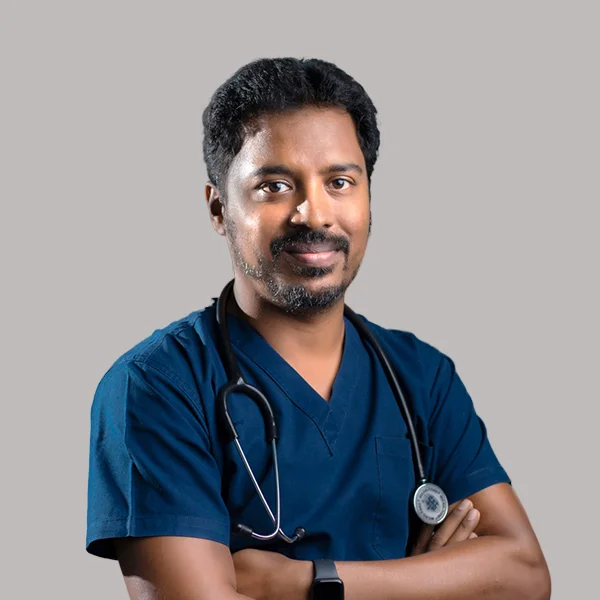
DA, DNB Consultant Anaesthesiologist
Schedule an appointment with our specialist doctors and take the first step toward better health today.
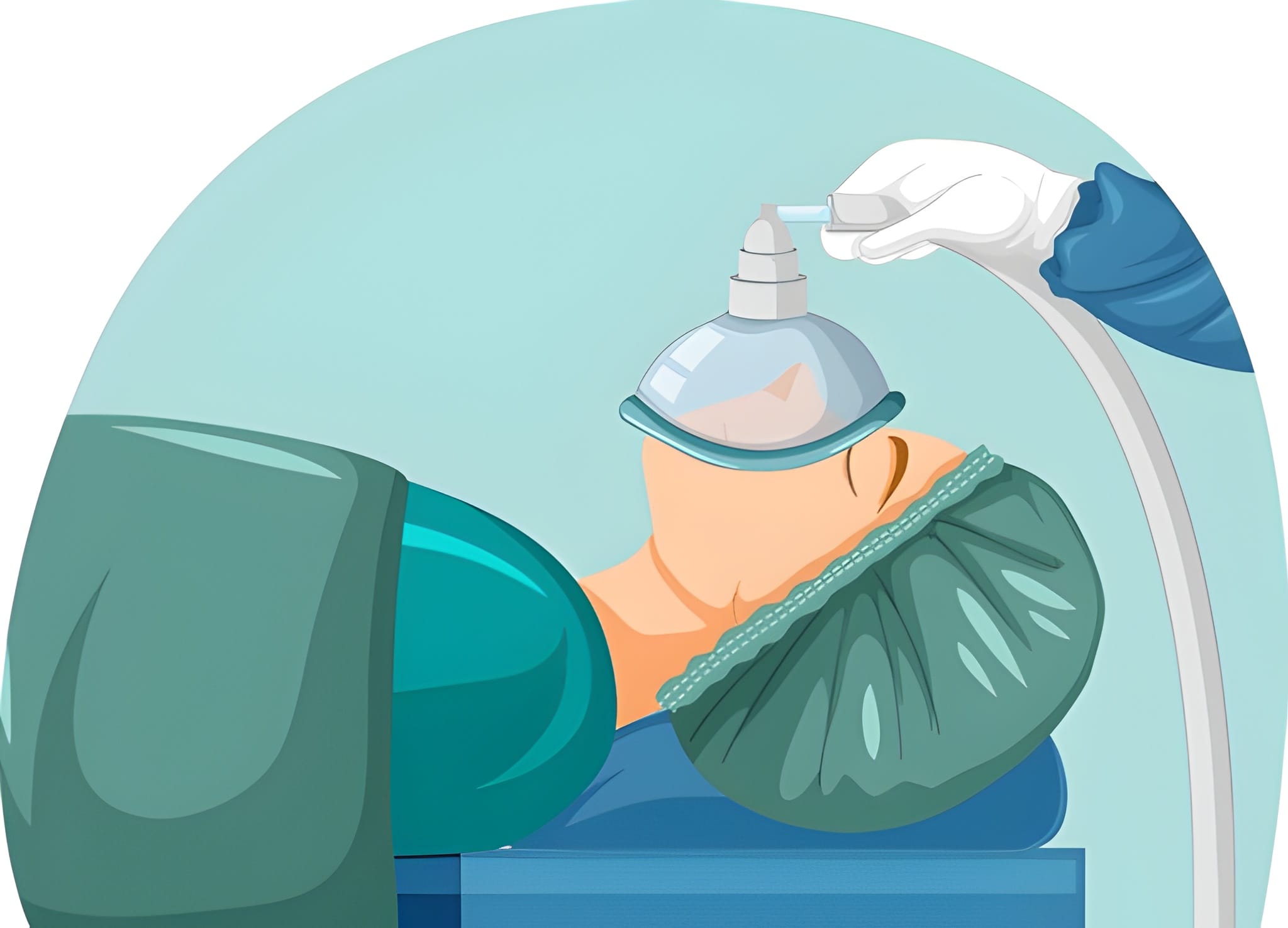
Anesthesia is the use of medicines to prevent pain and discomfort during surgeries or medical procedures. It allows patients to undergo procedures safely and comfortably.
An anesthesiologist is a specially trained doctor who administers anesthesia, monitors vital signs during surgery, and ensures your safety before, during, and after the procedure.
The main types include: General Anesthesia (you are completely unconscious), Regional Anesthesia (numbs a larger area like spinal or epidural), Local Anesthesia (numbs a small area), and Sedation (keeps you relaxed but not fully unconscious).
Yes. Modern anesthesia is very safe. Anesthesiologists carefully assess your health and monitor you continuously throughout the procedure.
You may be asked to fast for a few hours, avoid certain medications, and inform your doctor about allergies, previous anesthesia reactions, or existing medical conditions.
No. Anesthesia ensures you do not feel pain during surgery. After the procedure, pain management medicines are given to keep you comfortable.
Recovery depends on the type of anesthesia and the surgery. Most patients regain consciousness within minutes to an hour after the procedure.
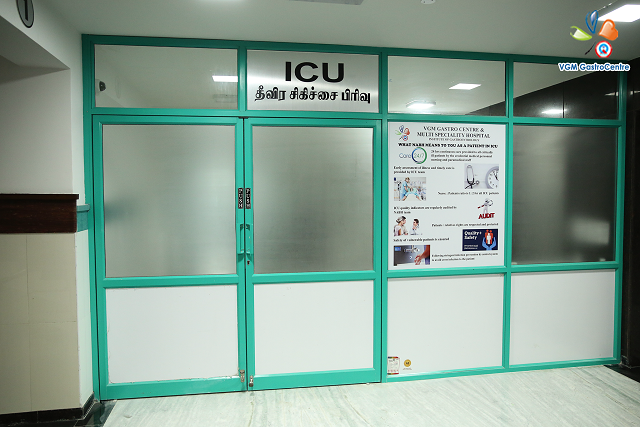
Intensive Care (ICU) provides advanced monitoring and life support for critically ill patients who need constant medical attention and specialized equipment.
Patients with severe infections, respiratory failure, heart problems, major trauma, post-surgery complications, or organ failure are commonly treated in the ICU.
An intensive care team includes anesthesiologists, critical care specialists, nurses, respiratory therapists, and other trained professionals who provide 24-hour monitoring and treatment.
The ICU uses advanced equipment such as ventilators, cardiac monitors, infusion pumps, dialysis machines, and other life-support systems.
Yes, most hospitals allow limited and scheduled visitation in the ICU, ensuring infection control and patient safety.
Pain is controlled through medications, nerve blocks, or epidurals as advised by the anesthesiologist to ensure a smooth and comfortable recovery.
Critical care anesthesia combines anesthesia expertise with intensive care, focusing on critically ill patients who require surgery or advanced life support.
Yes. The Anesthesia & Intensive Care Department offers 24/7 services with trained specialists available for all surgical, emergency, and critical care needs.