2100, VGM Hospital bus stop, Trichy Road,
Singanallur, Coimbatore, Tamil Nadu, India.
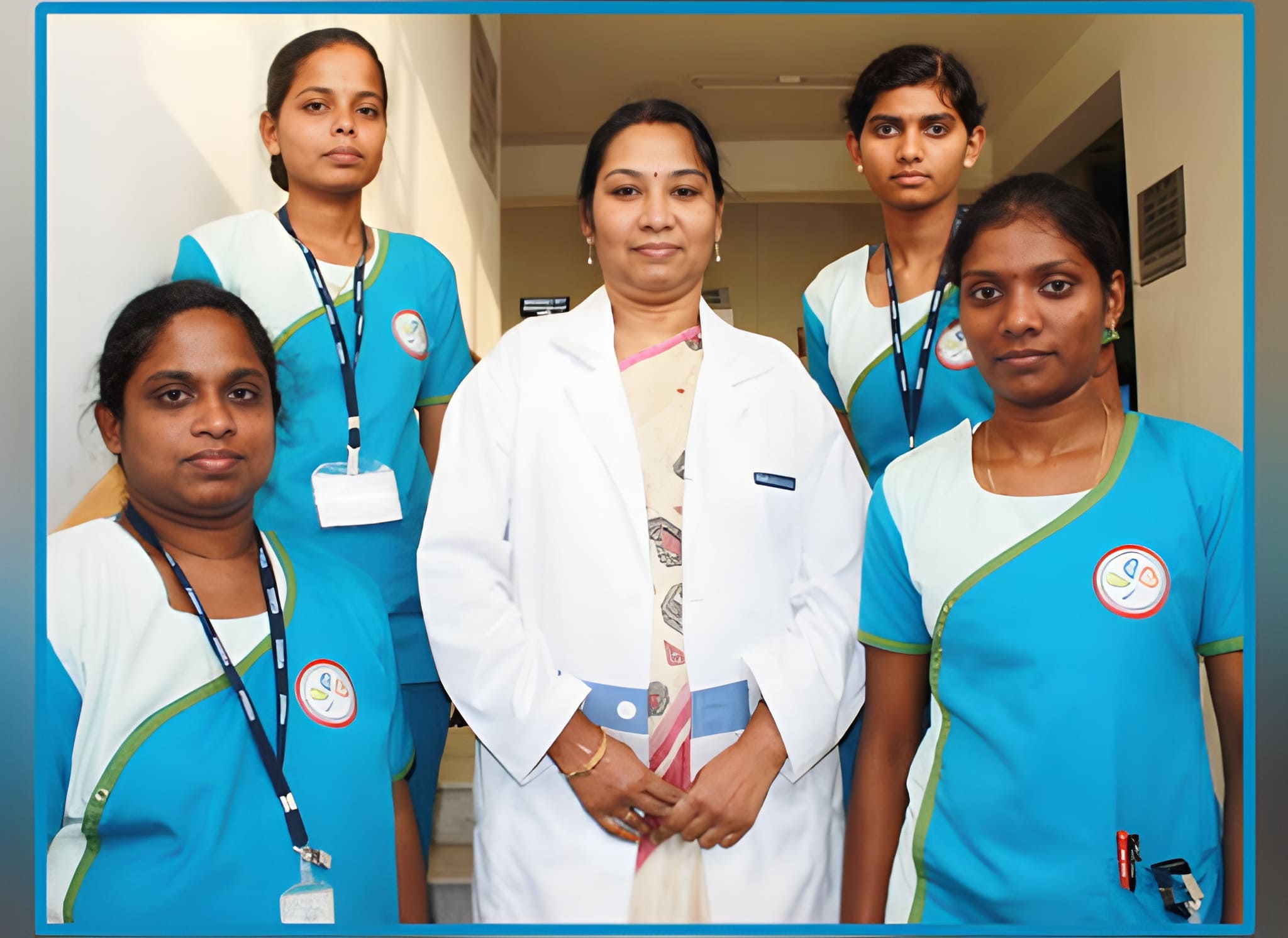
Comprehensive cancer care with advanced diagnostics, personalized treatment plans, chemotherapy, and support for patients and families.
Book AppointmentAt VGM Multispecialty Hospital’s Department of Oncology, we offer comprehensive and compassionate cancer care through personalized treatment plans and expert multidisciplinary support. From diagnosis to survivorship, our focus is on improving quality of life and long-term outcomes for all cancer types.
You should consult an oncologist if cancer-related symptoms persist, recur frequently, or begin to affect your daily life.
Unexplained Weight Loss
Nagging Cough
Breast Changes
Skin Changes
Swollen Lymph Nodes
Testicle Changes
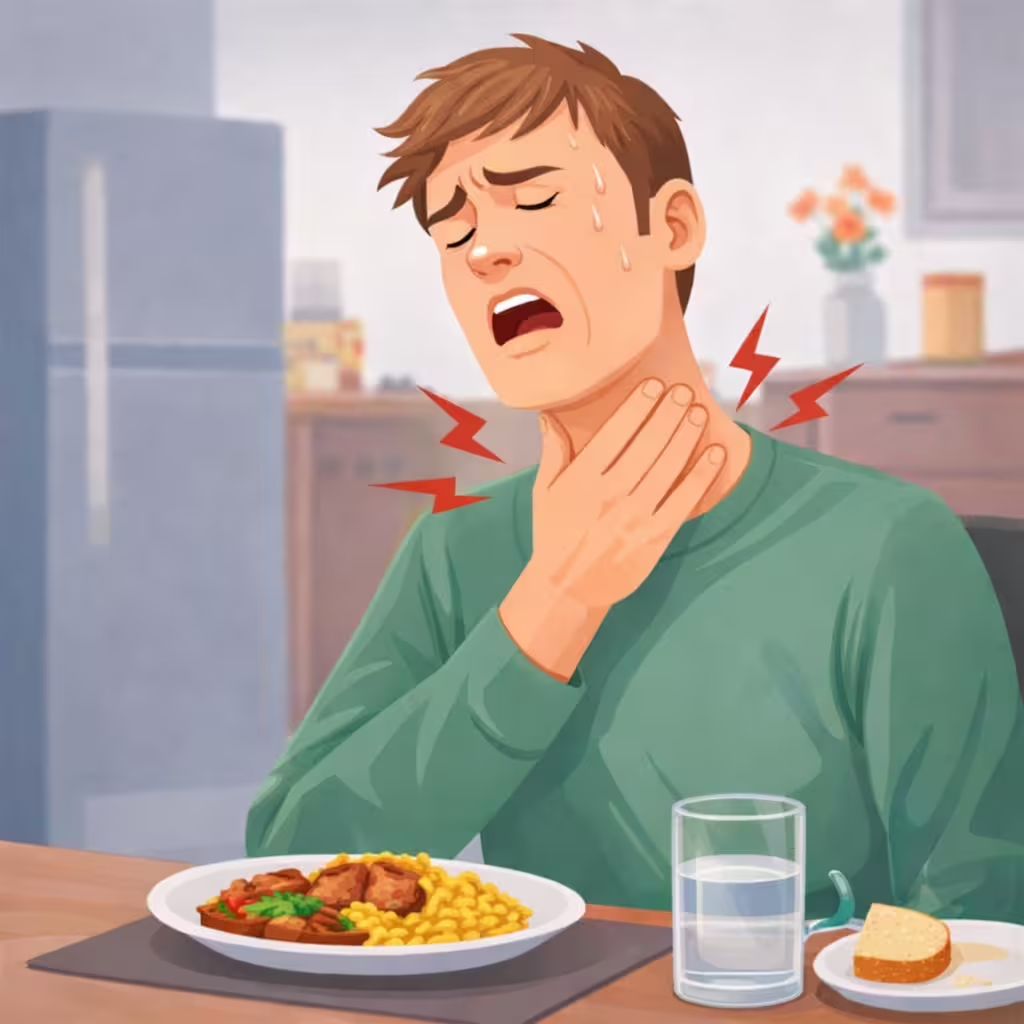
Difficulty Swallowing
Unusual Vaginal Bleeding
Mouth Issues
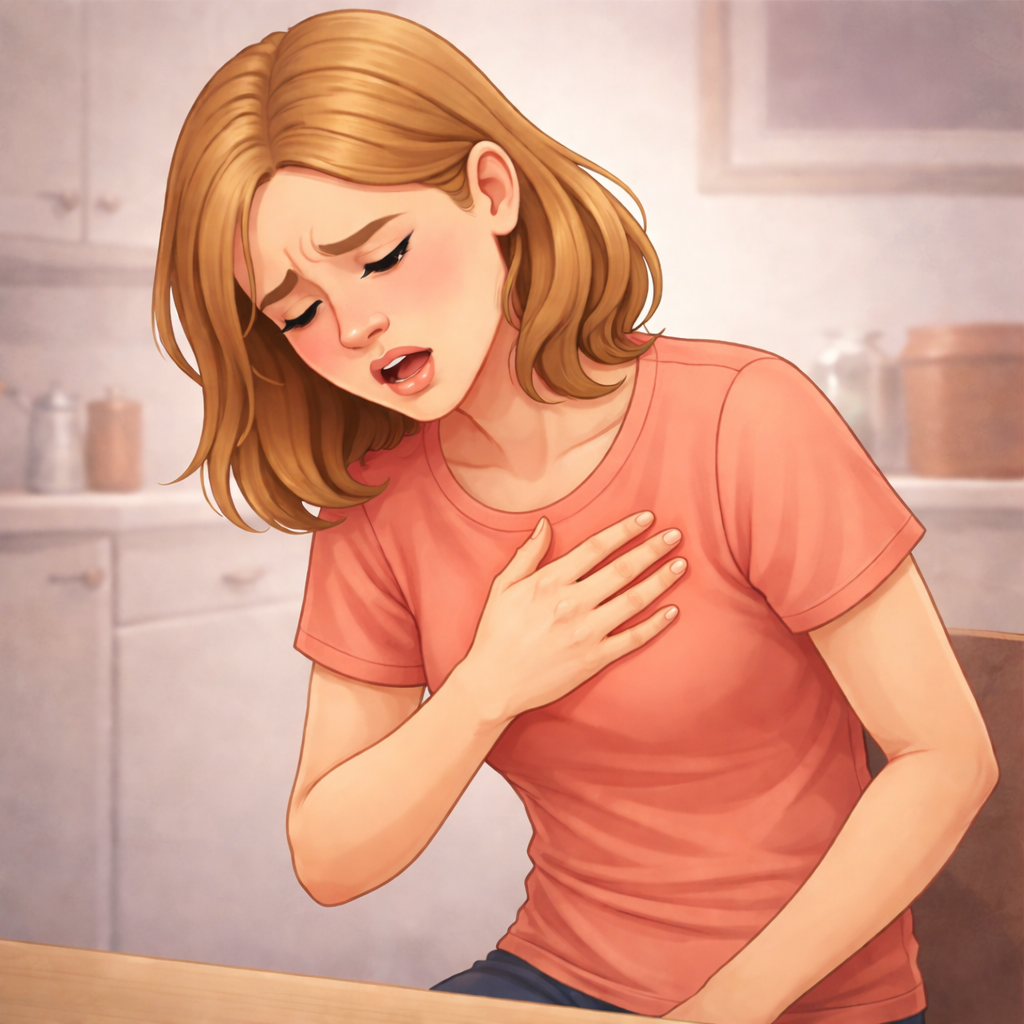
Heartburn
Indigestion
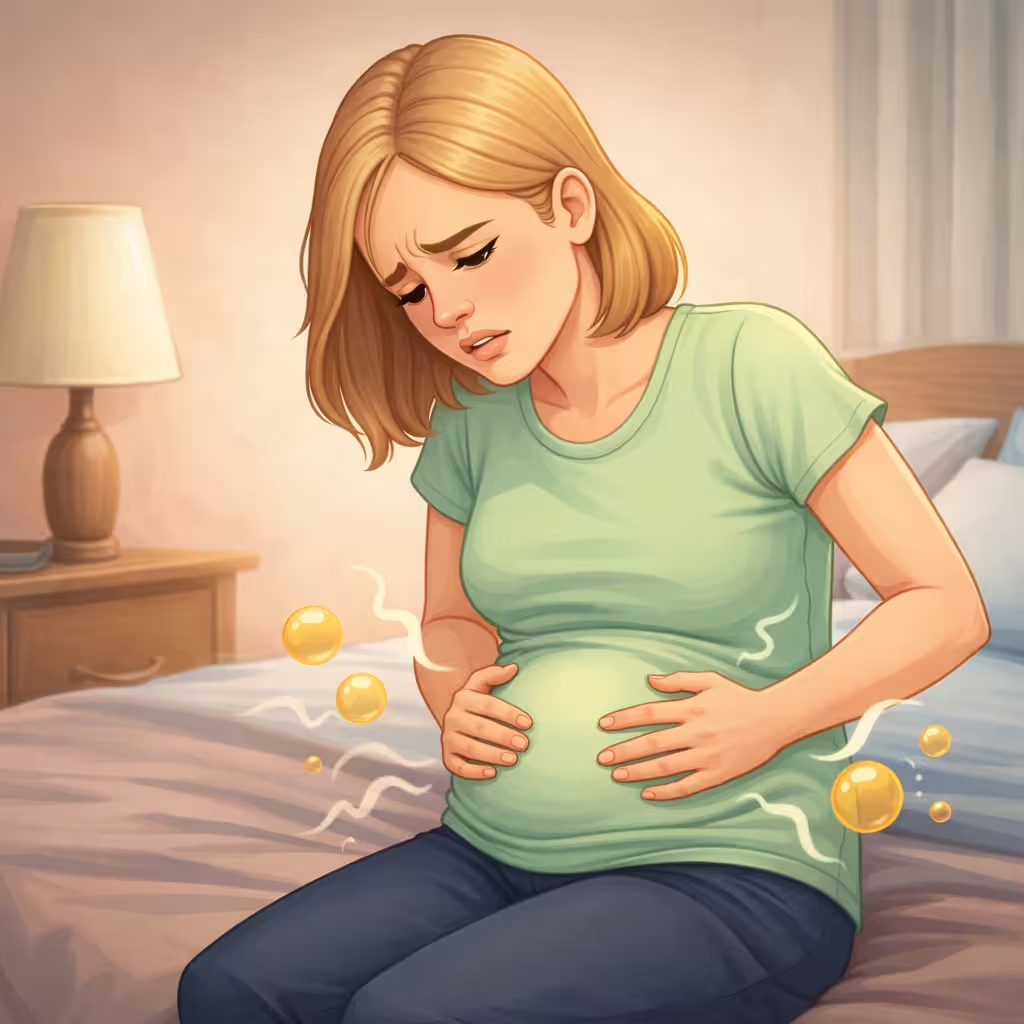
Chronic Bloating
Persistent fatigue
Frequent Infections
Painless Lumps or Swelling
Early diagnosis and timely treatment can prevent complications.
We provide complete diagnostic facilities for all types of cancers, including:
Our Medical Oncology Unit offers a full spectrum of advanced therapies:
We focus on holistic care that goes beyond cancer treatment, including:
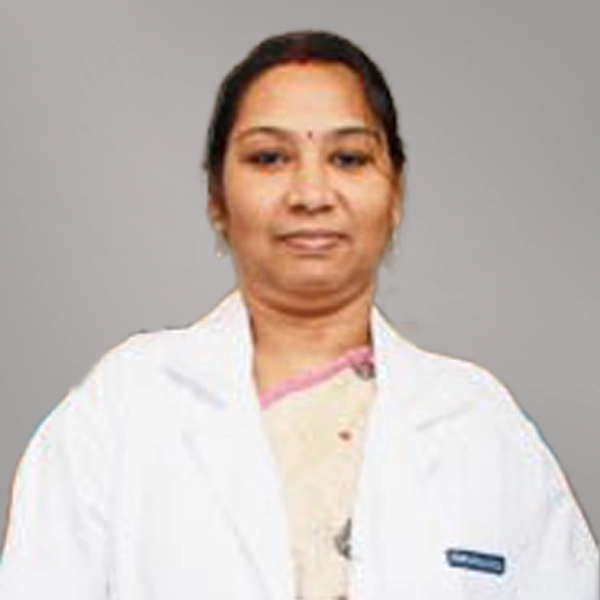
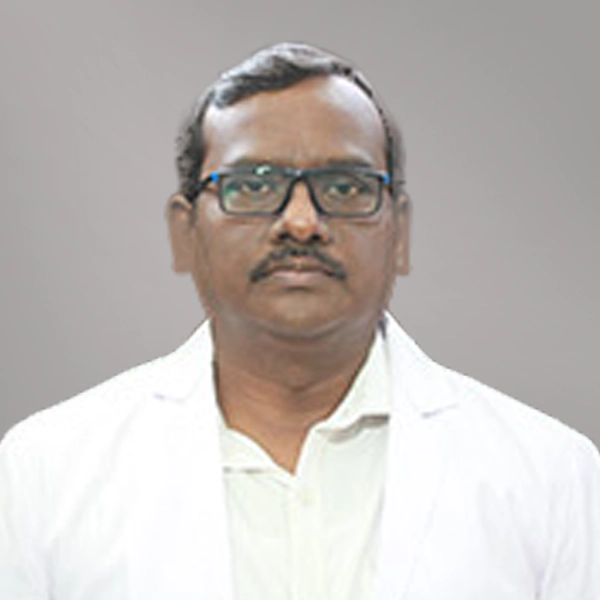
MD, RT DM Consultant Medical Oncologist
Schedule an appointment with our specialist doctors and take the first step toward better health today.
Oncology is the branch of medicine that focuses on the diagnosis, treatment, and prevention of cancer.
An oncologist diagnoses cancer, plans treatment such as chemotherapy, radiotherapy, or surgery, and monitors patients during and after treatment.
Common cancers include breast, lung, colon, prostate, cervical, head and neck, stomach, liver, and blood cancers like leukemia and lymphoma.
Early symptoms may include unexplained weight loss, persistent fatigue, unusual lumps, prolonged cough, changes in bowel or bladder habits, and unexplained bleeding.
Cancer diagnosis may involve blood tests, imaging scans such as CT, MRI, PET-CT, endoscopy, and a biopsy which confirms cancer cells.
Treatment options include surgery, chemotherapy, radiotherapy, targeted therapy, immunotherapy, or combination treatments depending on cancer type and stage.
Many cancers are curable, especially when detected early. Modern cancer treatments have significantly improved survival rates and quality of life.
Cancer can result from genetic mutations, smoking, alcohol, obesity, radiation exposure, chemical exposure, infections such as HPV or Hepatitis B, and family history.
You can reduce cancer risk by avoiding tobacco and alcohol, eating a healthy diet, exercising regularly, maintaining a healthy weight, getting vaccinated for HPV and Hepatitis B, and attending regular screenings.
Chemotherapy is the use of medicines to destroy cancer cells. It may be given orally, by injection, or intravenously.
Common side effects include fatigue, nausea, hair loss, decreased immunity, and loss of appetite. These effects are temporary and manageable.
Radiation therapy uses high-energy rays to destroy or shrink cancer cells. It is targeted to minimize damage to healthy tissues.
Immunotherapy boosts the body's immune system to fight cancer, whereas targeted therapy focuses on specific molecules involved in cancer growth.
Early detection greatly increases treatment success. Screenings like mammograms, Pap smears, and colonoscopy help detect cancer early.
Yes. The Oncology Department provides complete cancer care including screening, diagnosis, surgery, chemotherapy, radiation therapy, counseling, and long-term follow-up.