24x7-logo
Help Line:
0422-257 2573
Address:

2100, VGM Hospital bus stop, Trichy Road,
Singanallur, Coimbatore, Tamil Nadu, India.
PEG & NJ Tube Insertions for Enteral Nutrition

Safe, Long-Term Nutritional Support for Patients in Need

When patients are unable to consume adequate nutrition orally due to neurological disorders, cancer, or prolonged critical illness, establishing reliable enteral feeding access becomes essential. Percutaneous Endoscopic Gastrostomy (PEG) and Nasojejunal (NJ) tube placements provide safe, effective, and minimally invasive solutions for long-term nutritional support. Our center offers expert endoscopic placement of PEG and NJ tubes to ensure accurate positioning, reduced complications, and improved patient outcomes.

Upper GI Endoscopy Equipment

Why Enteral Nutrition is Important

Adequate nutrition is critical for:

  • Maintaining body strength and immunity
  • Supporting wound healing and recovery
  • Preventing malnutrition and infections
  • Improving survival and quality of life in chronically ill patients

Enteral feeding preserves gut function and is preferred over intravenous nutrition whenever feasible.

PEG Tube Insertion (Percutaneous Endoscopic Gastrostomy)

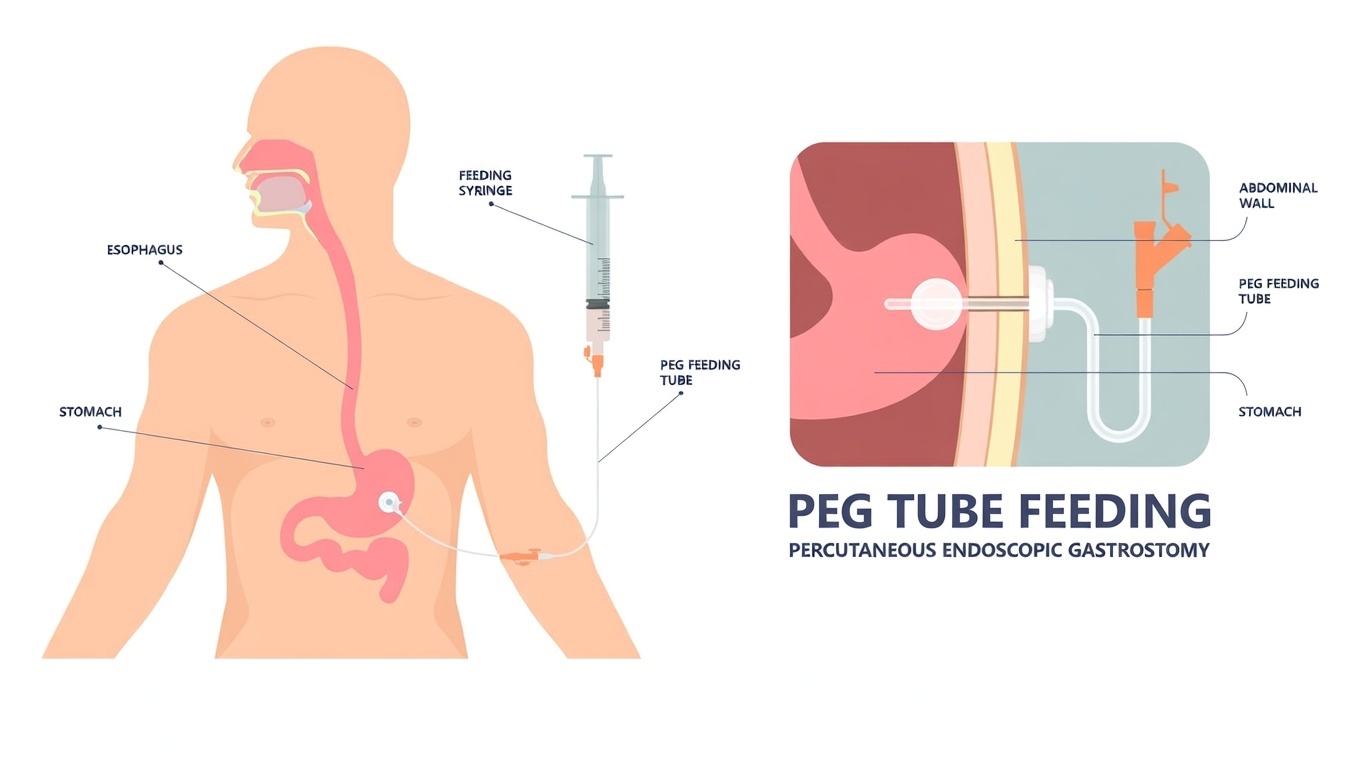
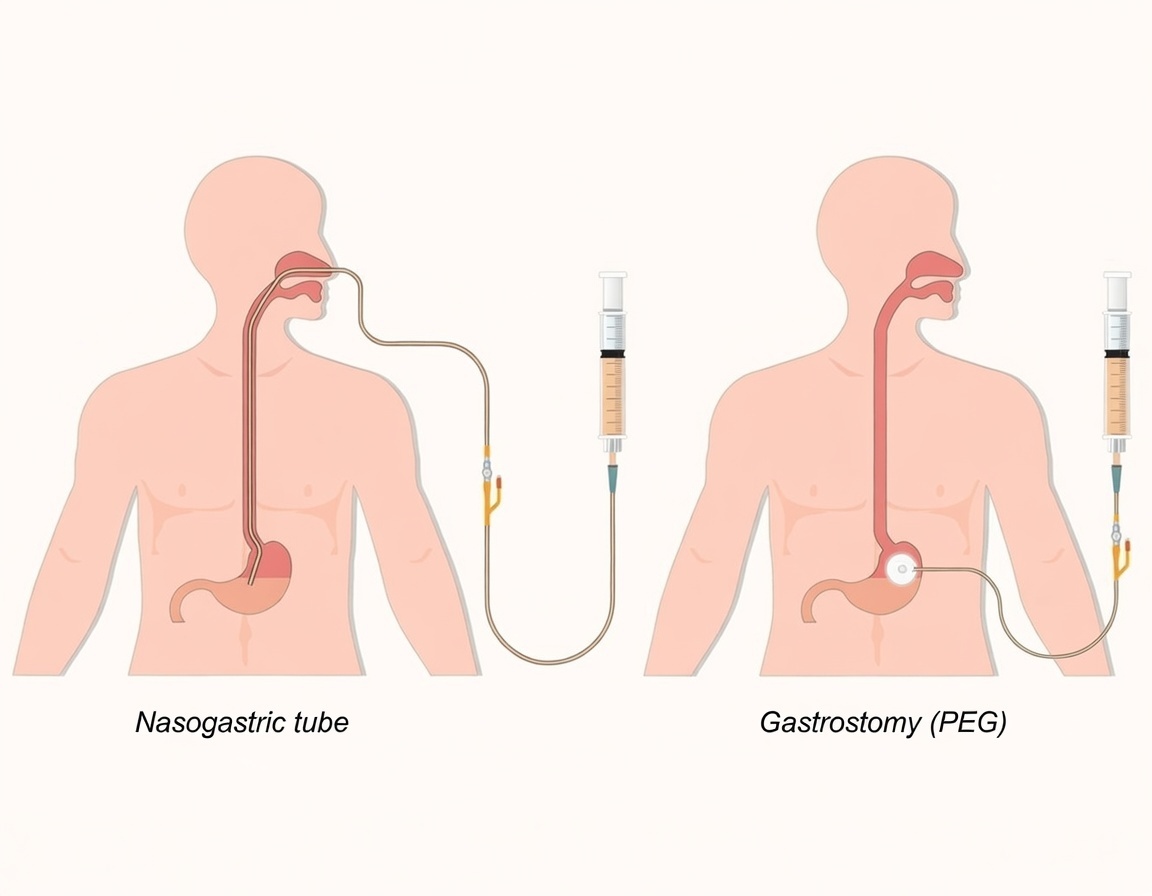
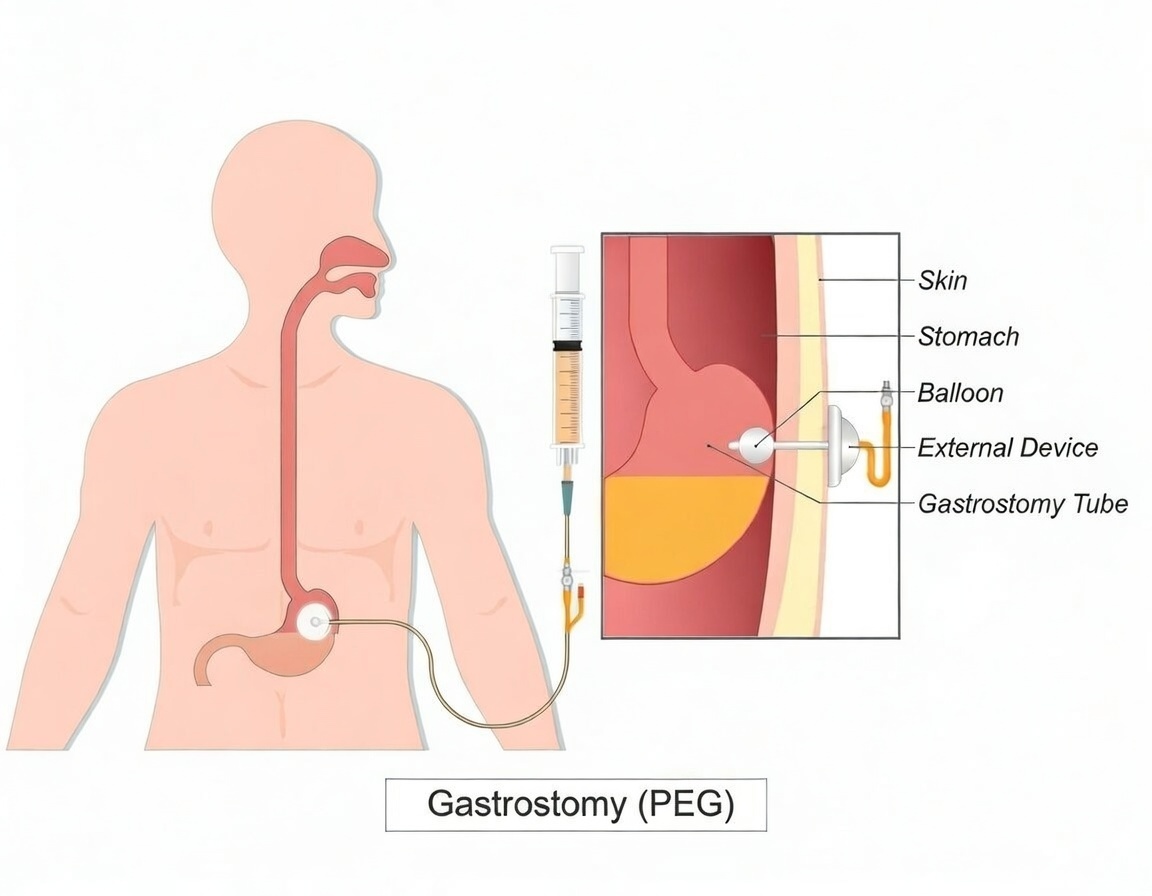
A PEG tube is placed endoscopically to deliver nutrition directly into the stomach, making it ideal for long-term feeding.

PEG feeding is commonly recommended for patients with:

  • Stroke and neurological impairment
  • Neurodegenerative disorders
  • Head and neck cancers
  • Chronic swallowing difficulties (dysphagia)

The procedure is minimally invasive, well tolerated, and suitable for prolonged nutritional support.

Medical professional viewing high-definition endoscopic imagery on monitor
Modern colonoscopy medical room with advanced equipment

NJ Tube Placement (Nasojejunal Feeding)

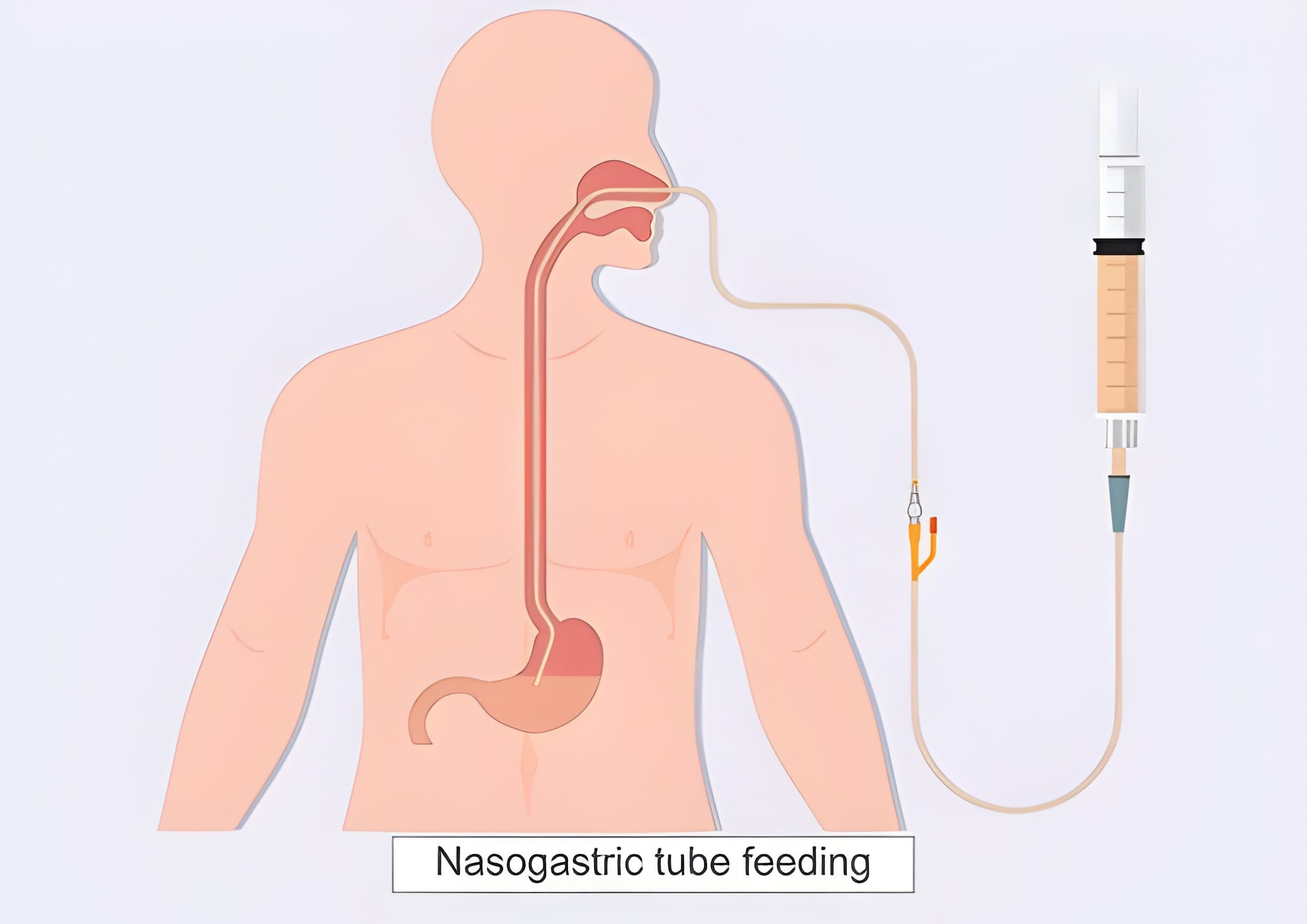
An NJ tube delivers nutrition directly into the jejunum (small intestine) and is preferred when gastric feeding is not suitable.

NJ feeding is ideal for patients with:

  • Severe gastroesophageal reflux
  • Acute or chronic pancreatitis
  • Gastric outlet obstruction
  • High aspiration risk

Endoscopic placement ensures accurate tube positioning, improves feeding tolerance, and reduces complications.

How the Procedure Is Performed

Endoscopic, minimally invasive technique
Performed under sedation for patient comfort
Accurate placement under direct visualization
Quick recovery with minimal discomfort
Medical professionals performing therapeutic intervention
Medical nutrition and feeding equipment

Benefits of PEG & NJ Tube Feeding

  • Safe and effective long-term nutrition
  • Minimally invasive with low complication rates
  • Improves nutritional status and immunity
  • Enhances wound healing and recovery
  • Reduces hospital stay and feeding-related complications

Our Expertise

  • Experienced gastroenterologists trained in enteral access procedures
  • State-of-the-art endoscopy facilities
  • Multidisciplinary nutritional support
  • Patient- and caregiver-focused education
Advanced endoscopic treatment equipment

When Should You Consider PEG or NJ Feeding?

If oral intake is inadequate or unsafe due to illness or swallowing difficulty, early enteral nutrition can prevent serious complications related to malnutrition.

Schedule an Enteral Nutrition Consultation

Proper nutritional support can make a critical difference in recovery and quality of life.

Contact our gastroenterology team today to discuss PEG or NJ tube insertion for safe and effective enteral nutrition.

Book Appointment Call Now