2100, VGM Hospital bus stop, Trichy Road,
Singanallur, Coimbatore, Tamil Nadu, India.
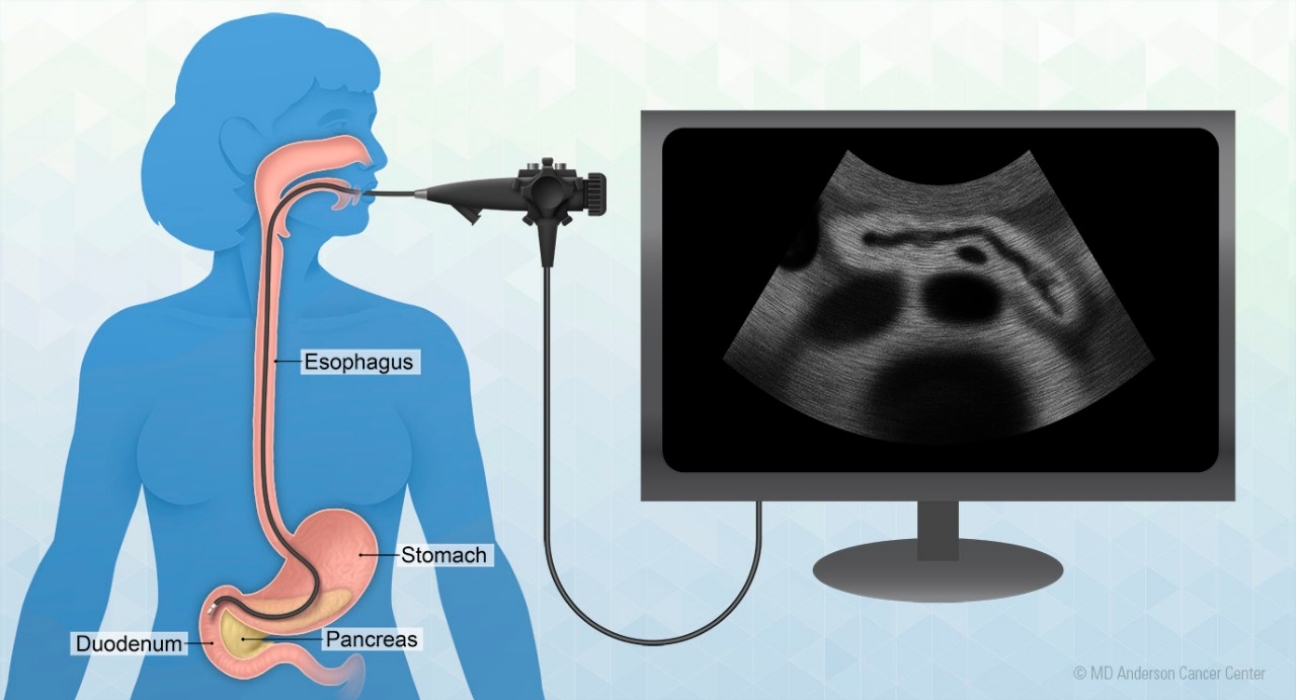
Endoscopic Ultrasonography (EUS) is an advanced imaging technique that combines endoscopy with high-frequency ultrasound to produce highly detailed images of the gastrointestinal wall and nearby organs. This technology allows doctors to examine structures that are difficult to assess with conventional imaging methods.
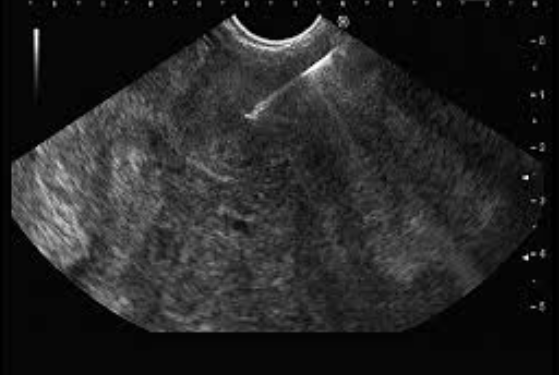
EUS allows clear visualization of the different layers of the gastrointestinal wall and surrounding tissues.
Compared to CT and MRI, EUS provides higher resolution images for detecting small and early pancreatic abnormalities.
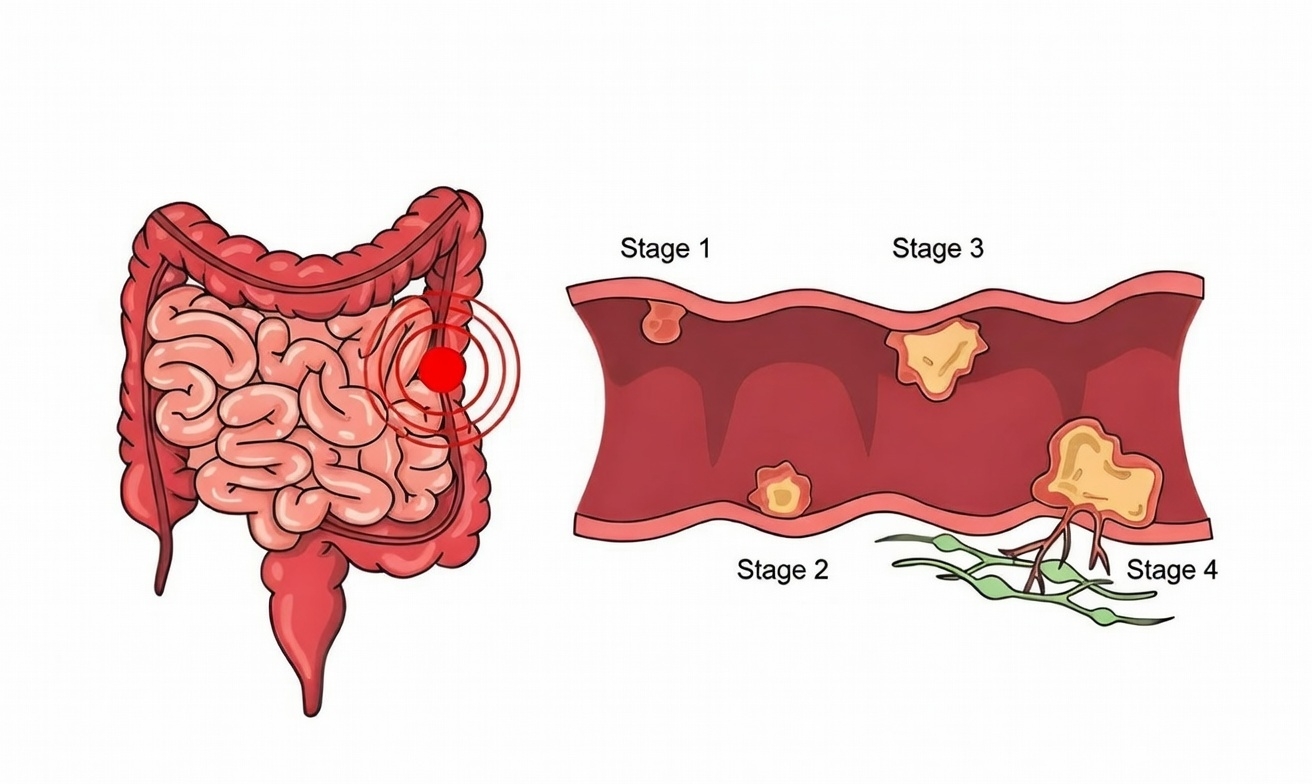
EUS is invaluable in staging gastrointestinal cancers and determining how deeply a tumor has invaded the wall of the digestive tract.
Fine Needle Aspiration (FNA) and Fine Needle Biopsy (FNB) are techniques performed under EUS guidance to obtain tissue samples from deep-seated structures.
These methods provide accurate diagnosis with minimal risk and avoid the need for more invasive surgical biopsies.
Beyond diagnosis, EUS also supports therapeutic procedures, allowing treatment during the same session when needed. Our unit's expertise in therapeutic procedures ensures timely and effective intervention.
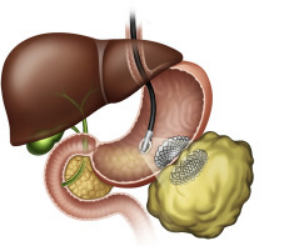
Lumen-Apposing Metal Stents (LAMS) are specialized stents placed under EUS guidance to create connections between structures for internal drainage. These stents are especially useful in managing complications of pancreatic disease.
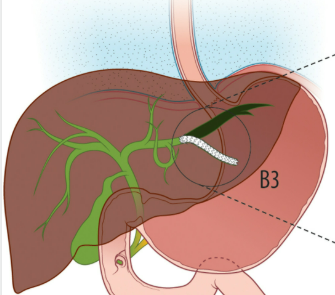
When ERCP is unsuccessful, EUS provides alternative methods for internal biliary drainage. These advanced techniques restore bile flow and relieve obstruction without external drainage tubes.
EUS is also used in pain management for certain abdominal conditions. EUS-Guided Celiac Plexus Neurolysis targets nerves responsible for transmitting abdominal pain signals, providing relief in selected patients.
EUS-guided procedures are minimally invasive and highly targeted, allowing accurate treatment while minimizing risk.
EUS combines advanced imaging with interventional capabilities, making it an essential tool in modern gastroenterology. It enables precise diagnosis, accurate staging, tissue sampling, drainage procedures, and pain management — all through a minimally invasive approach.