Round-the-Clock Intensive Care Unit (ICU)
Provides continuous critical care support before and after cardiac interventions.



2100, VGM Hospital bus stop, Trichy Road,
Singanallur, Coimbatore, Tamil Nadu, India.
24/7 Emergency Cardiac Catheterization & Angioplasty at VGM Multispecialty Hospital
The Cardiac Catheterization Laboratory (Cath Lab) at VGM Multispecialty Hospital is a state-of-the-art facility designed for advanced cardiac and vascular diagnostic and interventional procedures. Equipped with modern imaging technology and built to international standards, the Cath Lab ensures precision, safety, and efficiency in every procedure.
Our Cath Lab supports coronary, peripheral, neurovascular, and electrophysiology procedures, delivering high-quality care in a sterile, patient-safe environment focused on superior clinical outcomes.
Coronary Procedures
Electrophysiology
Neurovascular Care
Peripheral Vascular

Coronary Angiography is a minimally invasive diagnostic procedure used to assess the blood vessels supplying the heart. During the procedure, a thin catheter is inserted through the wrist or groin artery and guided to the coronary arteries under fluoroscopic imaging guidance. Contrast dye is then injected to obtain detailed real-time images of the coronary circulation.
This procedure helps identify coronary artery blockages, narrowing, congenital abnormalities, and other cardiovascular conditions. Coronary angiography plays a vital role in evaluating patients with chest pain, heart attack, shortness of breath, abnormal stress tests, or suspected coronary artery disease. The procedure enables cardiologists to accurately diagnose cardiac conditions and determine the most appropriate treatment plan.

Coronary Angioplasty is a minimally invasive interventional procedure used to widen narrowed coronary arteries caused by plaque accumulation. A balloon-tipped catheter is carefully guided to the affected artery and inflated to improve blood flow to the heart muscle. Depending on the severity and location of the blockage, stent placement may also be performed to maintain long-term vessel support.
The procedure helps restore oxygen-rich blood supply to the heart, reduce symptoms such as chest pain and breathlessness, and lower the risk of future cardiac complications. Coronary angioplasty is widely used in both emergency and elective cardiac care settings.
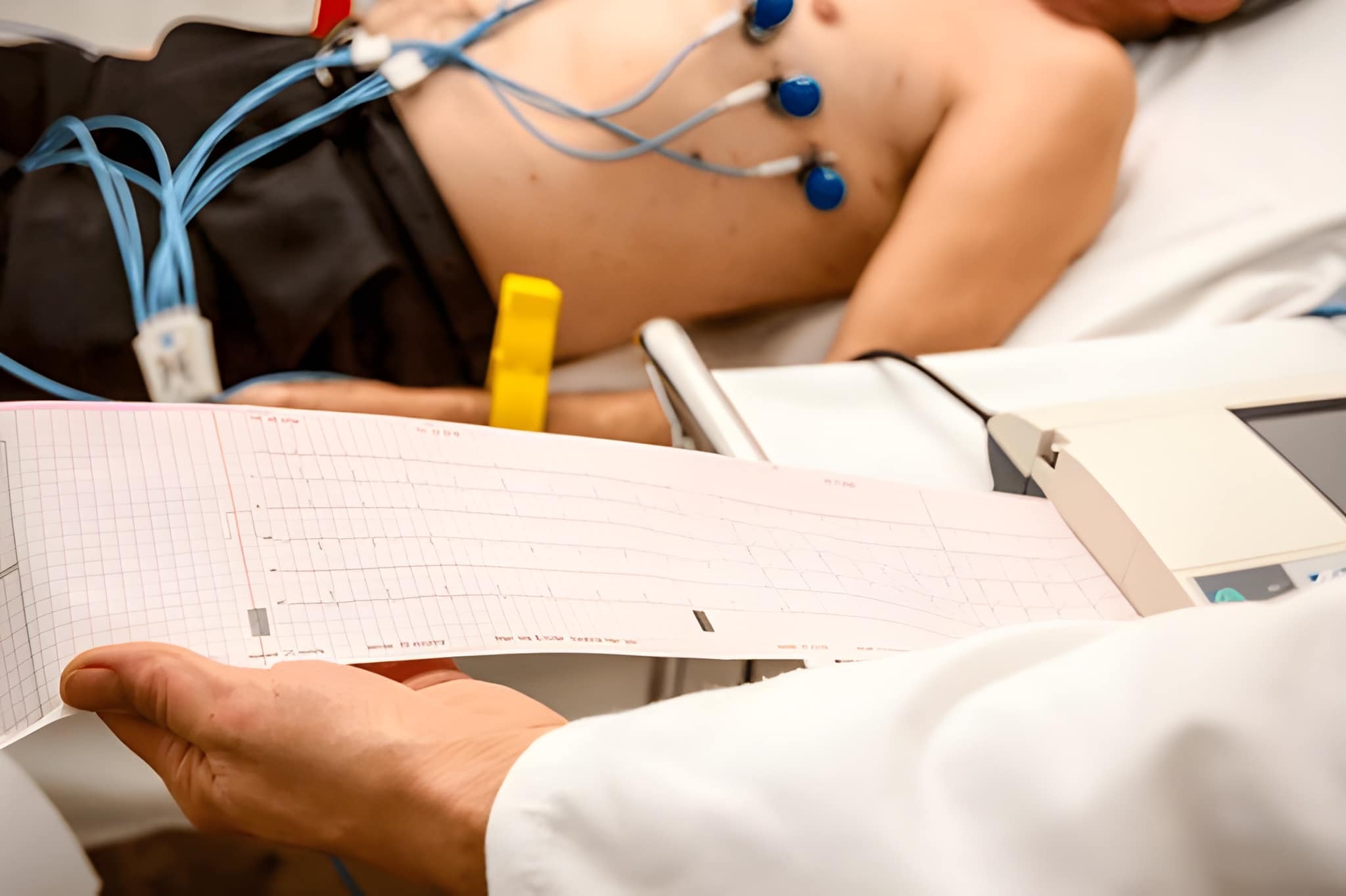
Right Heart Catheterization is a specialized diagnostic and hemodynamic assessment procedure used to evaluate the function and pressure dynamics of the right side of the heart and pulmonary circulation. A catheter is inserted through a vein and guided into the right atrium, right ventricle, and pulmonary artery to measure intracardiac pressures and cardiac output.
RHC is particularly useful in diagnosing pulmonary hypertension, heart failure, congenital heart disease, valvular disorders, and complex cardiac conditions. The procedure provides accurate hemodynamic data that assists physicians in treatment planning, medication management, and monitoring response to therapy.
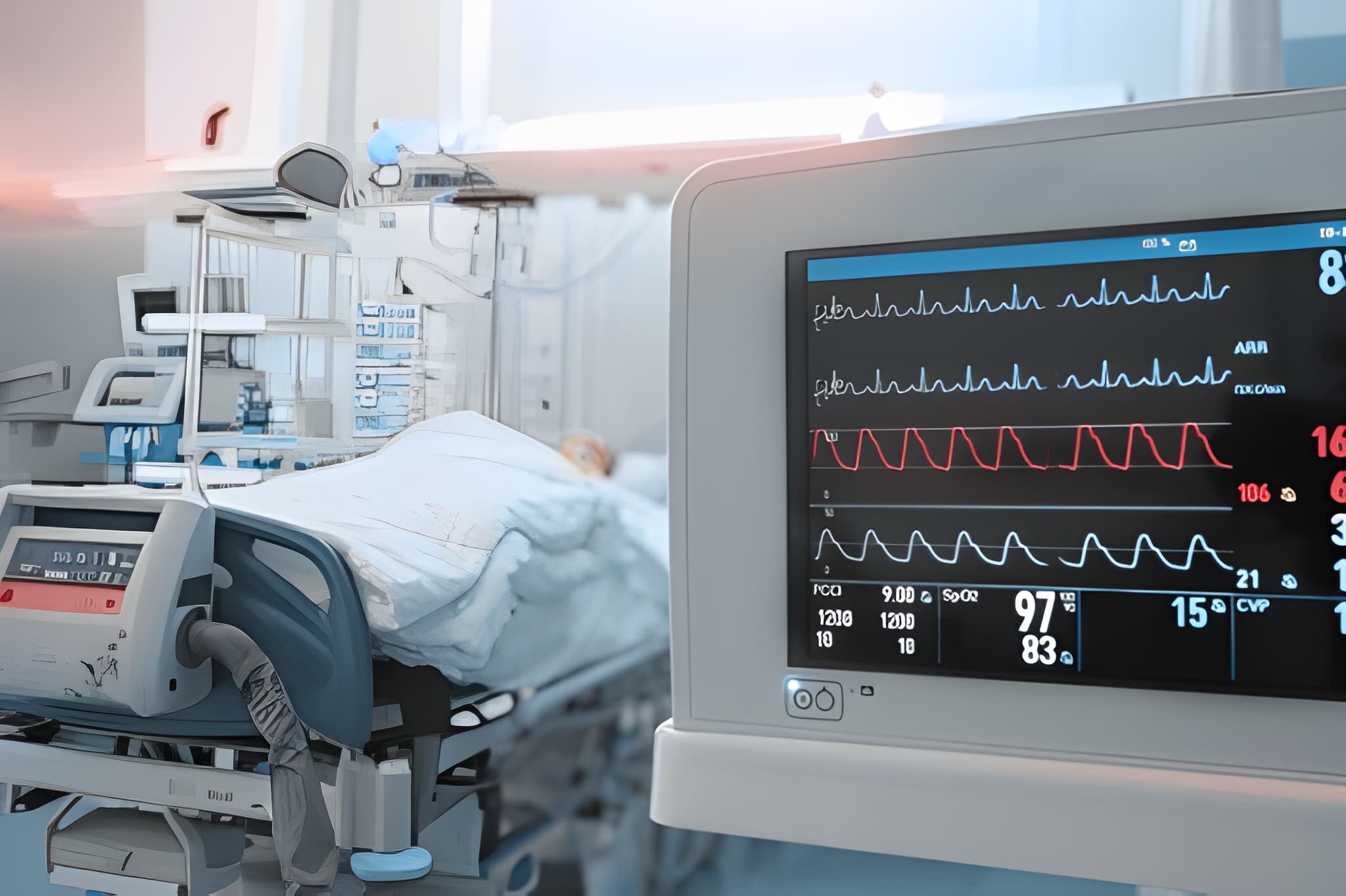
Intra-Aortic Balloon Pump (IABP) insertion is a life-saving cardiac support procedure performed in critically ill patients with severe cardiac dysfunction, cardiogenic shock, or high-risk cardiac conditions. During the procedure, a balloon catheter is inserted into the aorta and synchronized with the cardiac cycle.
The balloon inflates and deflates in coordination with the heartbeat to improve coronary artery blood flow and reduce the workload on the heart. IABP provides temporary mechanical circulatory support and helps stabilize patients before, during, or after complex cardiac interventions and surgeries.
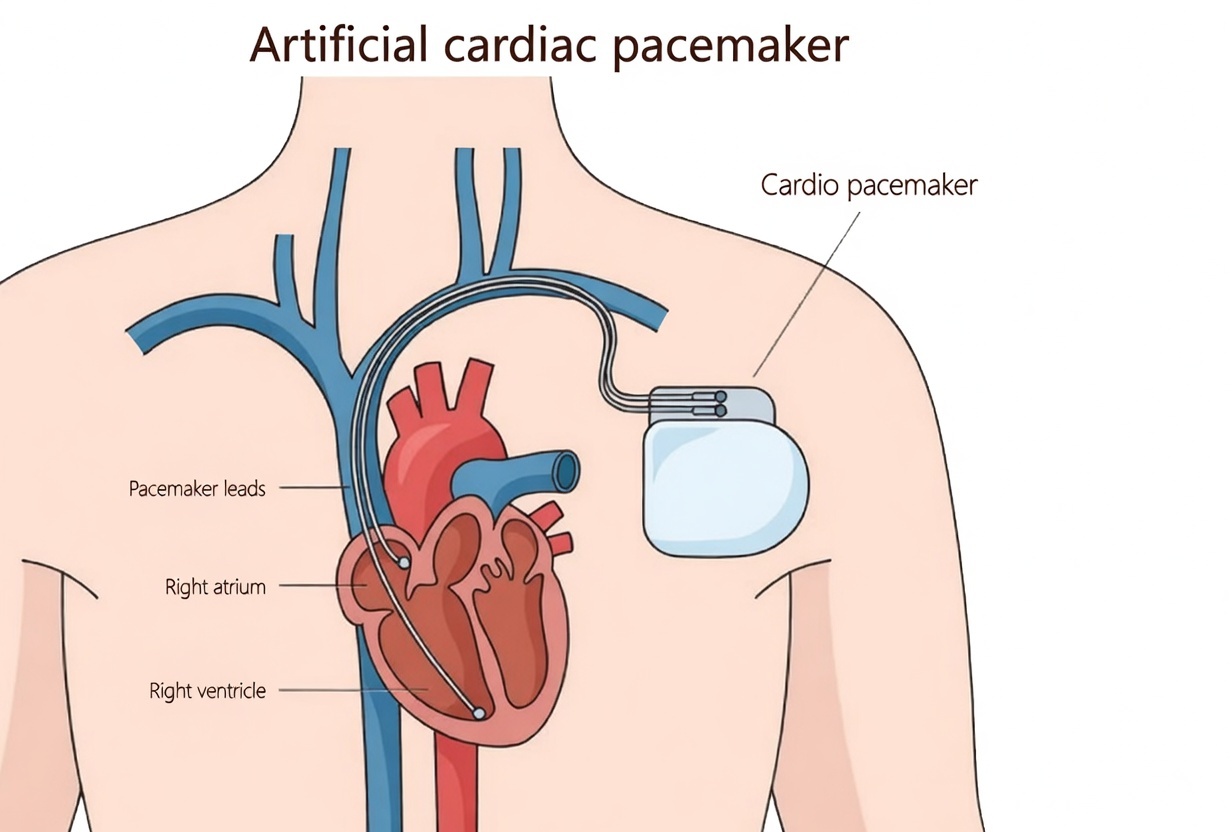
Pacemaker implantation is performed to manage abnormal heart rhythms and conduction disturbances such as bradycardia, heart block, and arrhythmias. A small electronic device is implanted beneath the skin, usually near the chest area, and connected to the heart through pacing leads.
The pacemaker continuously monitors the heart rhythm and delivers electrical impulses when necessary to maintain a stable heartbeat. The procedure significantly improves cardiac rhythm stability, prevents dizziness and fainting episodes, enhances exercise tolerance, and improves overall quality of life. Both temporary and permanent pacemaker implantations are performed in our Cath Lab under strict sterile protocols.
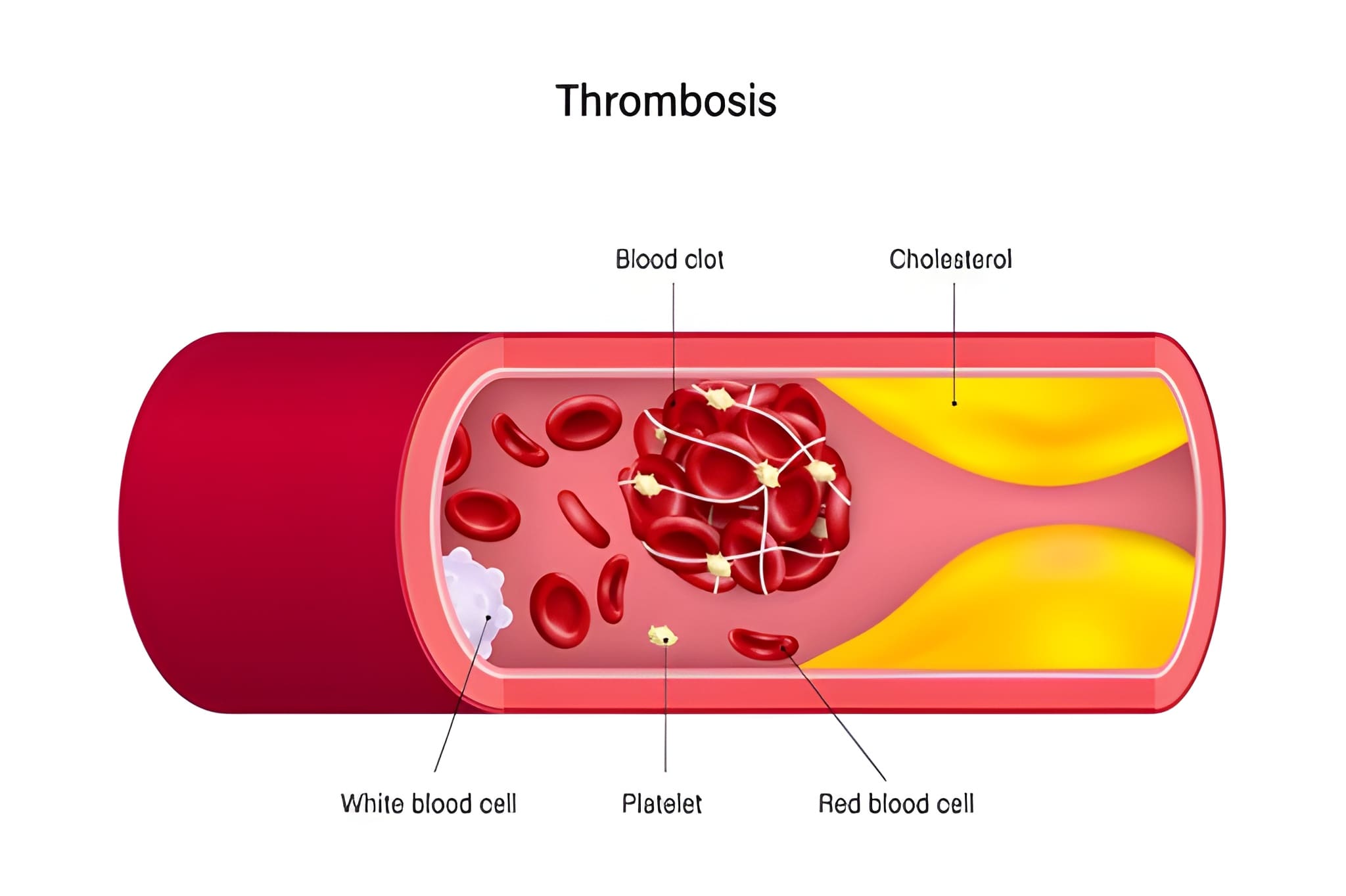
Thrombus Aspiration is an emergency interventional procedure used to remove blood clots from coronary arteries during acute cardiac emergencies such as heart attack. Using a specialized aspiration catheter, thrombotic material is carefully removed from the blocked artery to restore blood flow to the heart muscle.
The procedure helps reduce myocardial damage, improve coronary circulation, enhance procedural outcomes, and support faster recovery during acute coronary interventions. Thrombus aspiration is often performed in combination with angioplasty and stenting procedures in selected patients.
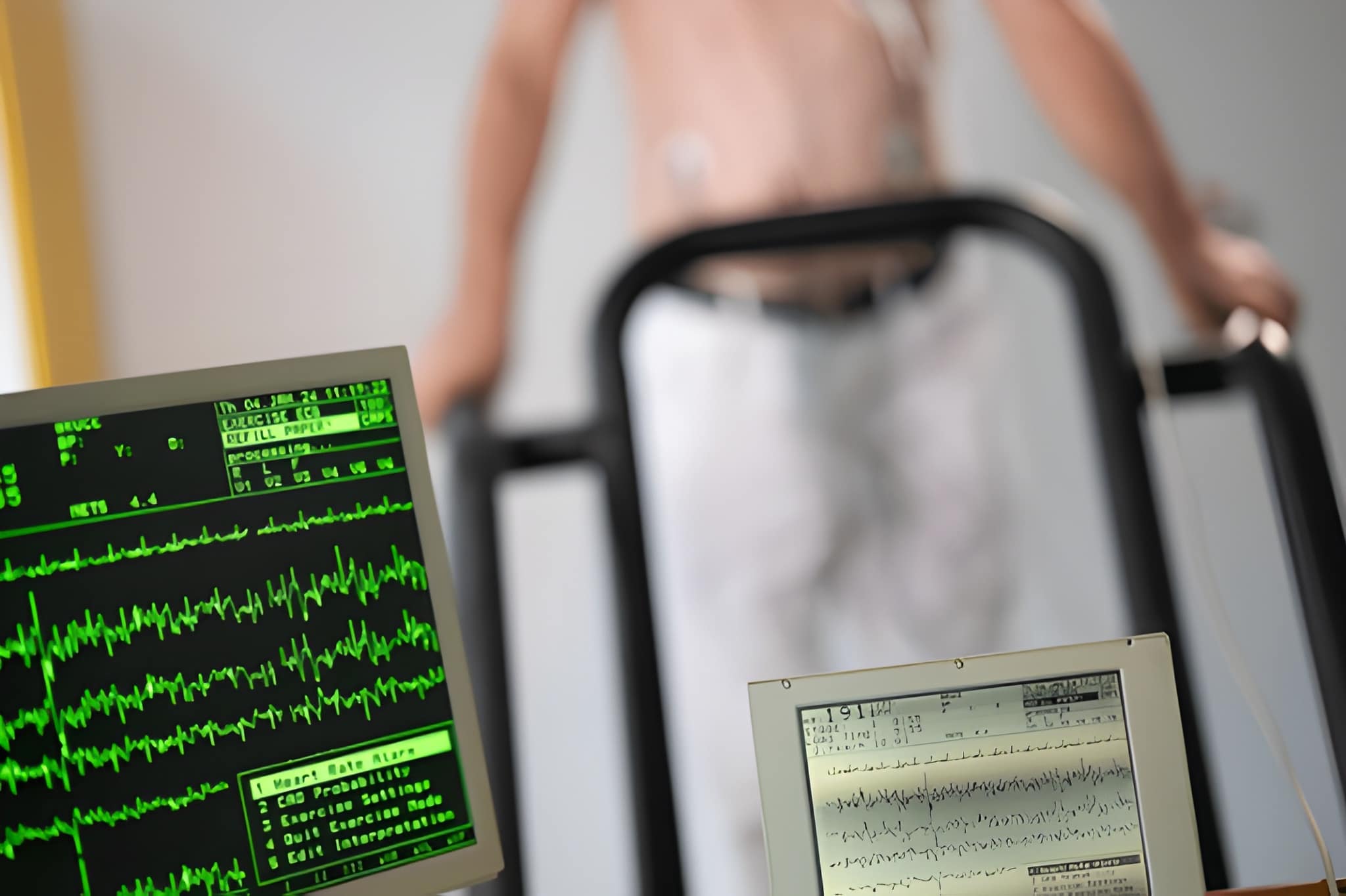
Rotablation is an advanced interventional cardiology technique used for the treatment of heavily calcified coronary artery lesions that cannot be adequately managed using standard balloon angioplasty alone. During the procedure, a high-speed diamond-coated rotational burr is used to carefully modify and debulk hardened calcium deposits within the artery.
This specialized technique facilitates successful balloon dilation and stent deployment in complex coronary lesions. Rotablation improves procedural success rates, optimizes stent expansion, and enables effective treatment of difficult calcified coronary artery disease.
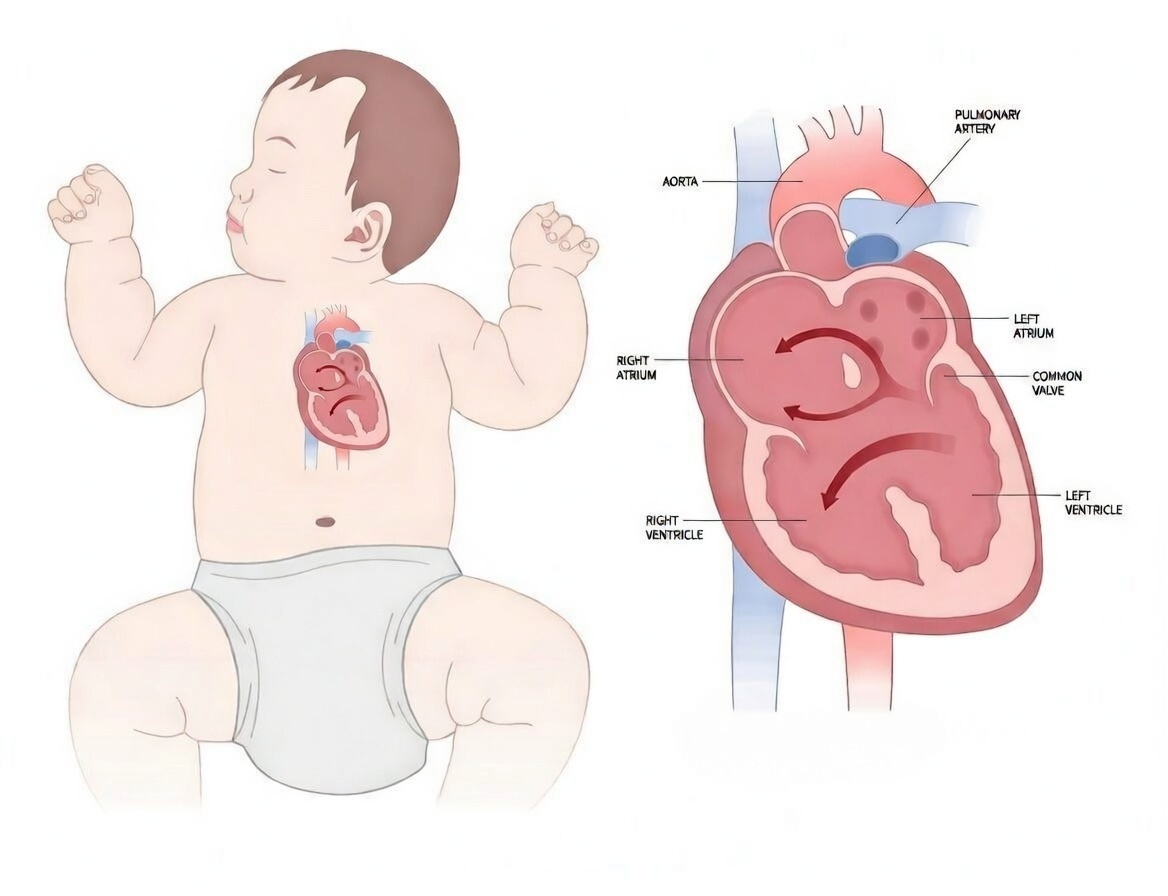
TIPS is a specialized image-guided vascular intervention performed to reduce portal hypertension associated with advanced liver disease. During the procedure, an artificial channel is created within the liver to connect the portal vein and hepatic vein, thereby reducing elevated portal venous pressure.
TIPS is commonly performed in patients with recurrent variceal bleeding, refractory ascites, and complications related to portal hypertension. The procedure helps improve blood flow within the liver circulation and reduces the risk of life-threatening complications associated with chronic liver disease.
Embolization procedures are minimally invasive vascular interventions used to intentionally block abnormal, damaged, or bleeding blood vessels. Through catheter-based techniques, embolic materials such as coils, particles, or medical glue are delivered to targeted vessels under imaging guidance.
These procedures are widely used in the management of internal bleeding, vascular malformations, aneurysms, tumors, trauma-related hemorrhage, and other vascular abnormalities. Embolization offers effective treatment with reduced surgical risk, minimal invasiveness, shorter hospital stay, and faster recovery.

Peripheral vascular interventions are advanced catheter-based procedures performed to diagnose and treat narrowing or blockages in blood vessels outside the heart, including arteries supplying the legs, kidneys, and other organs. These procedures may involve balloon angioplasty, stenting, thrombectomy, or other endovascular techniques.
Peripheral vascular interventions help improve blood circulation, relieve pain and mobility limitations, prevent tissue damage, and reduce the risk of limb-threatening vascular complications.
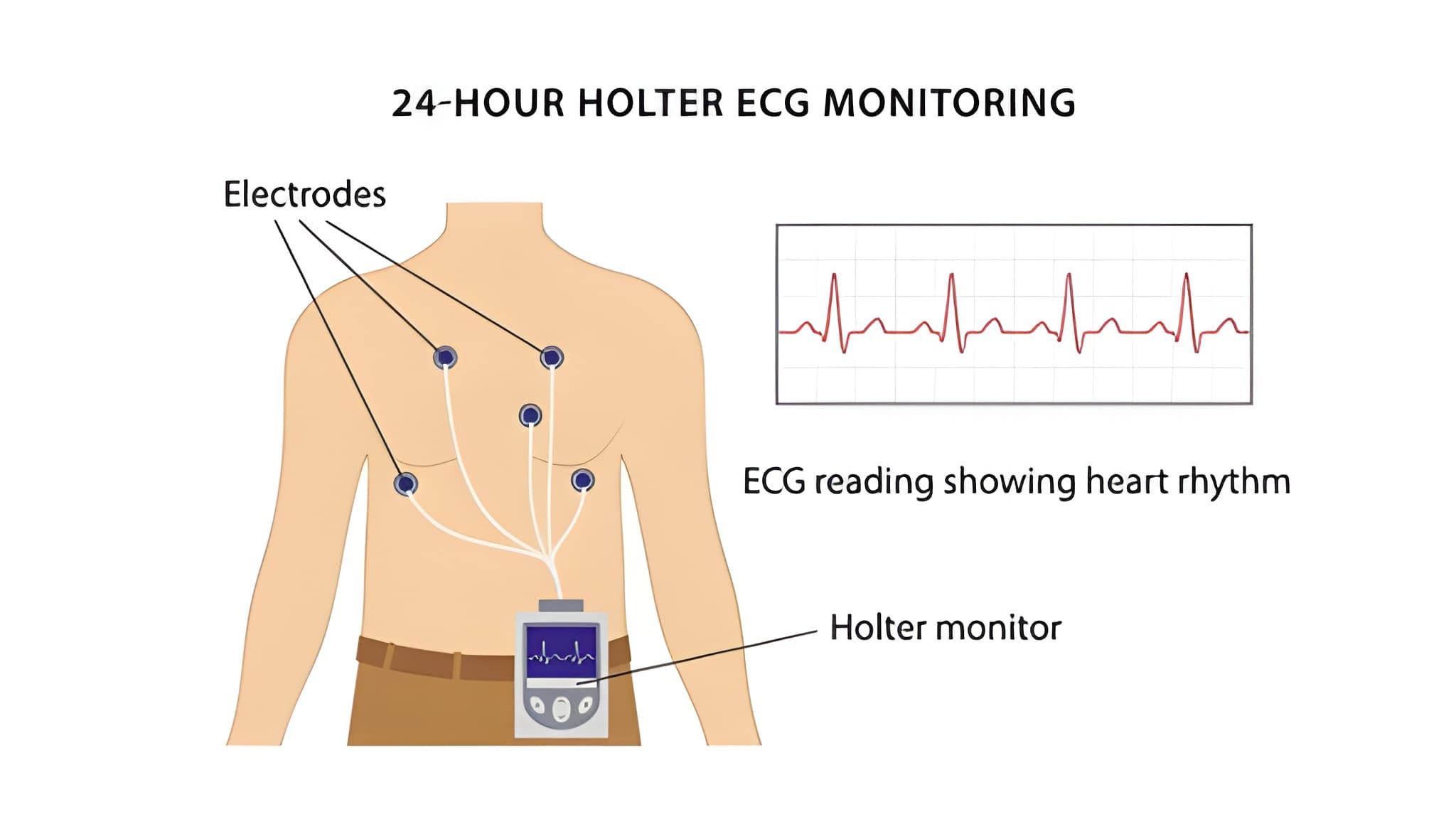
Neurovascular interventions are specialized minimally invasive procedures performed for selected disorders involving the blood vessels of the brain and nervous system. Using advanced imaging guidance and precision catheter-based techniques, these procedures support the diagnosis and treatment of complex neurovascular conditions.
The Cath Lab’s advanced imaging capabilities and multidisciplinary expertise enable safe and effective neurovascular interventions with improved precision and patient safety.
If you experience any of these symptoms, consult a cardiologist promptly.

Chest pain or pressure

Shortness of breath

Palpitations (irregular or fast heartbeat)

Fainting or dizziness

Swelling in legs, ankles, or feet

Persistent fatigue

Sudden weight gain

Pain in neck, jaw, shoulder, or arm

Rapid or irregular pulse
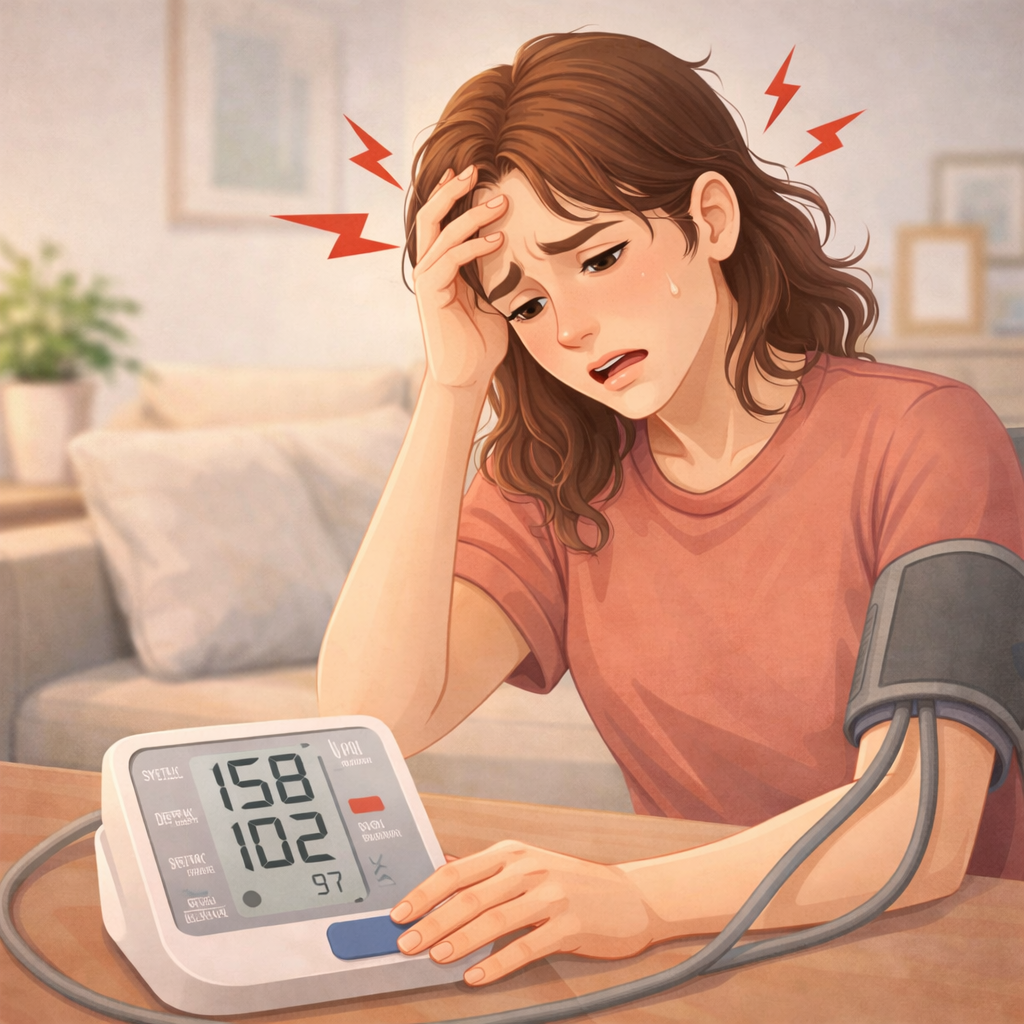
High blood pressure

Family history of heart disease

Extreme tiredness

High Cholesterol

History of Diabetes
A high-performance cardiac imaging system designed to support complex diagnostic and interventional procedures with superior image clarity and operational efficiency.
Provides sharp, real-time visualization of blood vessels and cardiac structures, enabling accurate diagnosis and precise catheter-based interventions.
Offers three-dimensional visualization during procedures, improving anatomical understanding and enhancing accuracy in complex cardiac and vascular interventions.
Advanced dose-optimization technology minimizes radiation exposure to patients and medical staff without compromising image quality.
Supports coronary, peripheral vascular, neurovascular, and electrophysiology procedures within a single platform, allowing smooth workflow and efficient procedural transitions.
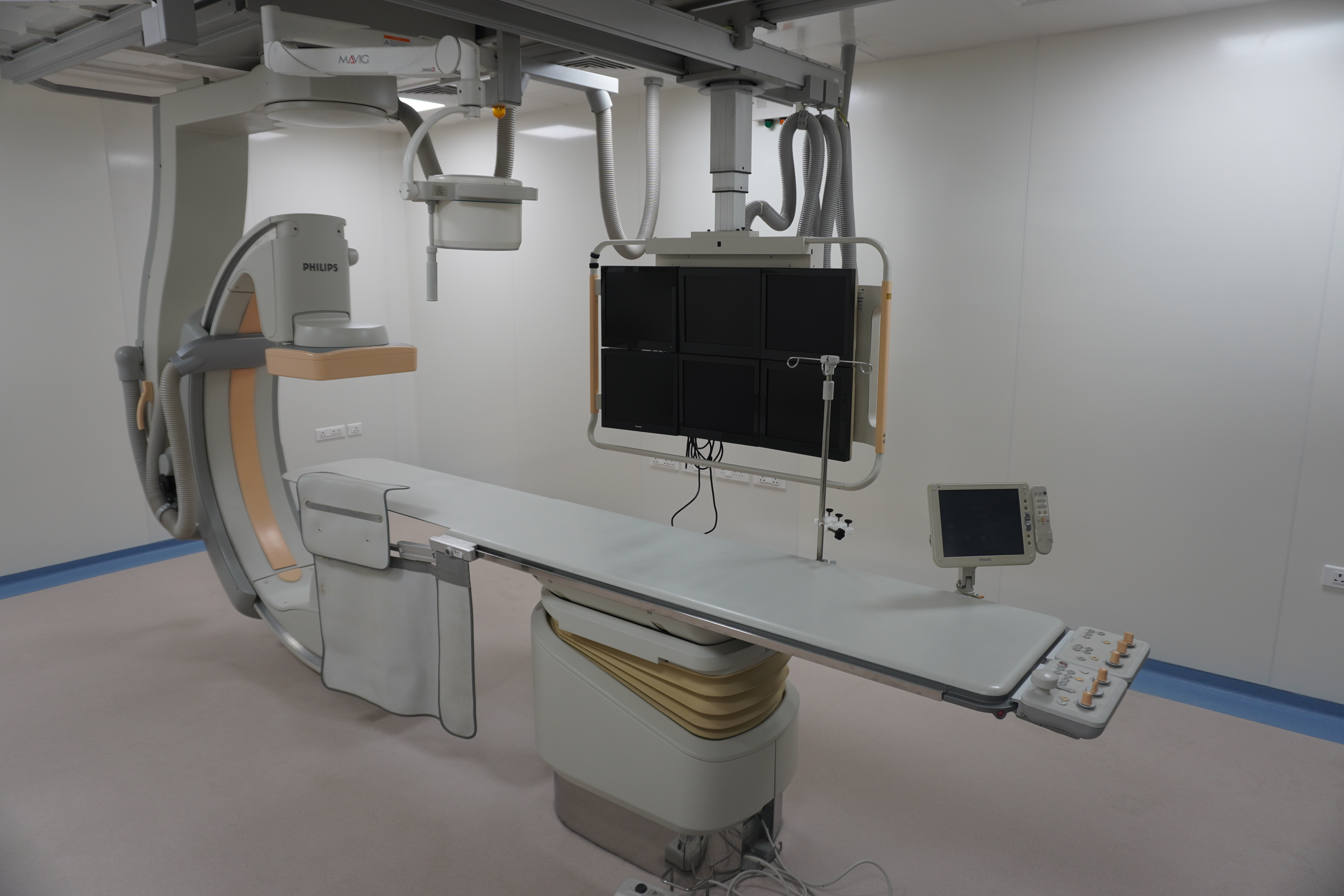
Designed for flexibility and efficiency, allowing optimal equipment positioning and easy adaptation to various interventional procedures.
Ensures a continuous flow of clean air across the procedure area, significantly reducing the risk of airborne contamination.
High-efficiency particulate air (HEPA) filtration removes microscopic contaminants, maintaining a highly sterile environment throughout procedures.
The Cath Lab is designed and maintained in accordance with international guidelines for infection prevention, procedural safety, and patient protection.
Provides continuous critical care support before and after cardiac interventions.
Ensures expert clinical supervision and prompt management of high-risk patients.
Allows early detection of cardiac changes and immediate clinical response.
Ensures safe recovery and comprehensive care following interventional procedures.
Delivers uninterrupted emergency care for cardiac and medical emergencies.
Enables rapid assessment and immediate initiation of treatment.
Prioritizes critical patients and ensures timely life-saving interventions.
Ensures quick availability of specialists for urgent procedures.
Facilitates rapid patient transfer for time-sensitive cardiac interventions.
Yes. VGM Multispecialty Hospital provides 24/7 emergency angioplasty with rapid Cath Lab activation and ICU support.
The procedure is usually performed under local anesthesia. Patients may feel mild pressure but typically do not experience significant pain.
Most angioplasty procedures take between 30 minutes to one hour, depending on complexity.
The procedure is generally safe. Rare risks include bleeding, infection, or allergic reactions, which are carefully monitored in our sterile Cath Lab.
Many patients return to light activities within a few days, depending on their overall heart condition and recovery.
If you experience severe chest pain, breathlessness, fainting, or sudden sweating, seek immediate medical care. Early intervention can prevent major heart damage.
Yes. Our emergency team and on-call specialists are available to manage time-sensitive cardiac cases with rapid assessment and coordinated response.
Schedule an appointment with our specialist doctors and take the first step toward better health today.